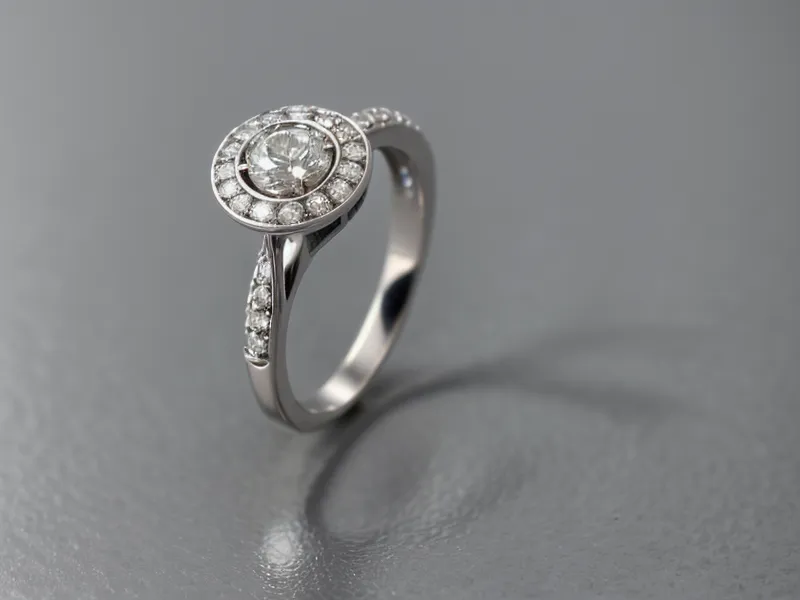
A cashmere sweater does not survive contact with a six-prong setting. That's the lesson behind the text that started this post — a photo of a snagged sweater front, sent by Valentina Forde, my coworker's girlfriend, the day after her ring caught on a seatbelt. Valentina found me through the office Slack (somebody mentioned I keep an actual binder comparing engagement ring settings), and by the time she messaged, she'd already burned a Saturday hitting three different mall showrooms and walked out of the third one more confused than when she started. Her question wasn't about carat weight. It was whether switching to a bezel setting would fix the snagging or just swap it for a different problem. That's the question I get asked most, so here's how I actually answer it.
Does a Bezel Setting Actually Stop a Ring From Snagging?
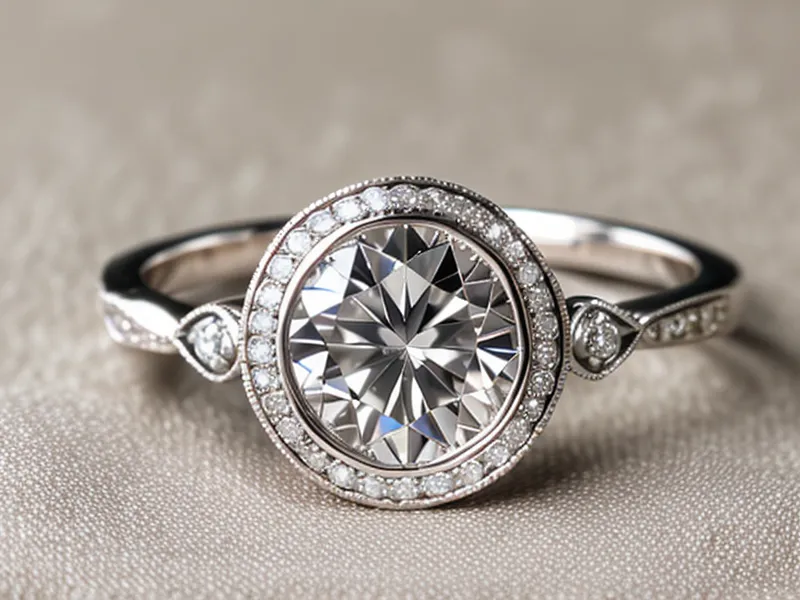
Mostly, yes. A traditional prong setting holds the stone with metal claws that sit up above the band, which is exactly what grabs wool, hair, and the edge of a diaper bag strap. A bezel swaps those claws for a continuous rim of metal wrapped flush around the stone's edge. Nothing proud enough to catch on anything. I've pushed bezel rings through sweater sleeves and seatbelts on purpose just to compare, and the difference from a prong setting isn't subtle.
Valentina's three-showroom Saturday is a pretty normal starting point, for what it's worth. Mall chains build a lot of room into that sticker price, which is part of why comparing three of them back to back left her with more questions than confidence. Whatever return or exchange window a store gives you, use it — that's leverage people let expire out of guilt more often than you'd think, which is basically the whole subject of my engagement ring deep dive.
Where people get tripped up is assuming snag-proof means risk-free. It doesn't. It trades one risk for another, which is really the whole story of this setting.
What a Bezel Protects, and What It Quietly Risks
The protection part is real. A diamond rates a 10 on the Mohs scale, but hardness isn't the same as toughness. A diamond can still chip if it takes a hit at the wrong angle on its thinnest edge, the girdle. A prong setting leaves that girdle exposed on every side. A bezel encases it completely. Most of the bezel rings I've handled are 14k gold, where the purity of 58.3% gets alloyed with harder metal to survive daily knocks. The alloy mix is its own rabbit hole, and it's a real reason some bezel rings outlast others by decades.
Run a thumb around a bezel rim and there's nothing sharp, nothing that snags, nothing that bends the way a thin prong eventually does. If you're someone who actually uses your hands for more than typing all day, it's worth a look at best engagement rings for active lifestyles to prevent stone damage before you settle on a style.
The risk a bezel quietly introduces isn't to the stone, though. It's to how the stone looks, and that's the part nobody mentions at the counter.
Why Light Behaves Differently Inside a Bezel
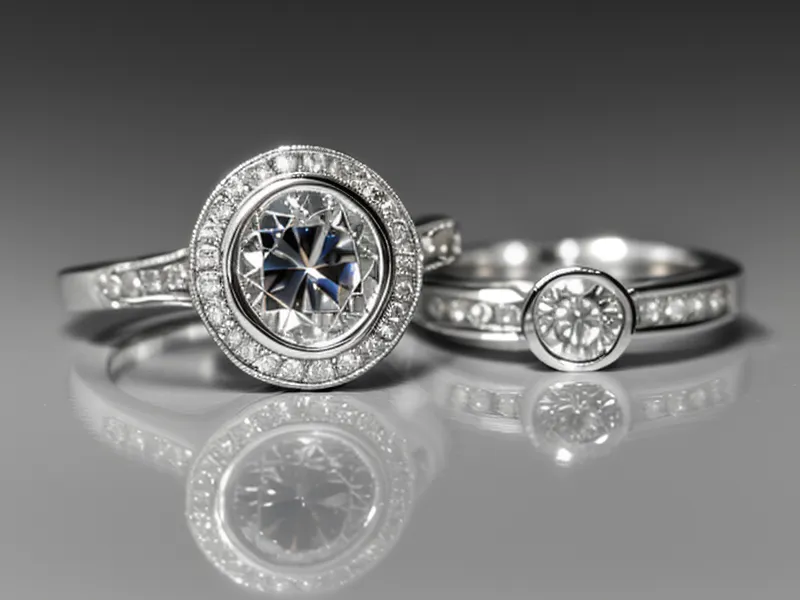
In a prong setting, light enters from the top, the sides, and partly from underneath, since there's so little metal in the way. Wrap metal around the full circumference and you cut off that side and bottom light. What's left comes mostly through the top. For a stone with strong color and cut, that's a real, visible difference in how much light comes back out of it. It's not a dealbreaker, but it's noticeable if you're used to a halo or pavé band throwing light from every angle.
There's an upside buried in that downside. If a stone has visible inclusions near the girdle, a bezel's rim covers exactly the part where eye-clean clarity gets shakiest, which is also why a bezel is forgiving if you went with a stone that reads clean to the eye but isn't flawless on paper. I've watched a salesperson's hand drift toward the dimmer switch the second I pulled a loupe out of my bag, like softer light was going to fix what the stone couldn't. A bezel does something close to what that dimmer switch was faking, just permanently and for a structural reason instead of a sales one. While we're on showroom tricks, I kept thinking about how to spot diamond fluorescence issues when shopping at mall stores, because in a bezel, every bit of light performance counts for more.
The Cleaning Problem Nobody Mentions at the Counter
Here's the trade a lot of people don't see coming. That same enclosed rim that stops snagging also traps everything else, including dead skin, lotion, sunscreen, and dish soap residue, in a gap too thin to rinse clean. Water flows straight through the open sides of a prong setting. In a bezel, there's nowhere for it to go. It just sits there, building a thin film on the underside of the stone that no polishing cloth reaches.
I'll admit what I almost got wrong here. The first time I saw a bezel-set diamond look flatter than it did in the showroom, I nearly said the owner had ended up with a mediocre stone. It wasn't the stone. It was months of lotion trapped in a gap smaller than a grain of sand, and it took an ultrasonic cleaner plus a soft toothbrush worked into that seam to get it looking like day one again. If a store's lifetime warranty requires regular inspections to stay valid, that cleaning habit and the inspection requirement end up solving each other, since you're back in the store anyway.
Is a Bezel Setting Worth It for Daily Wear?
Depends. On what you'd rather manage day to day. If you garden, wear gloves at work, or you're just tired of catching a ring on hair and sweaters, the security is worth the trade. You stop being the person apologizing for a ruined sleeve.
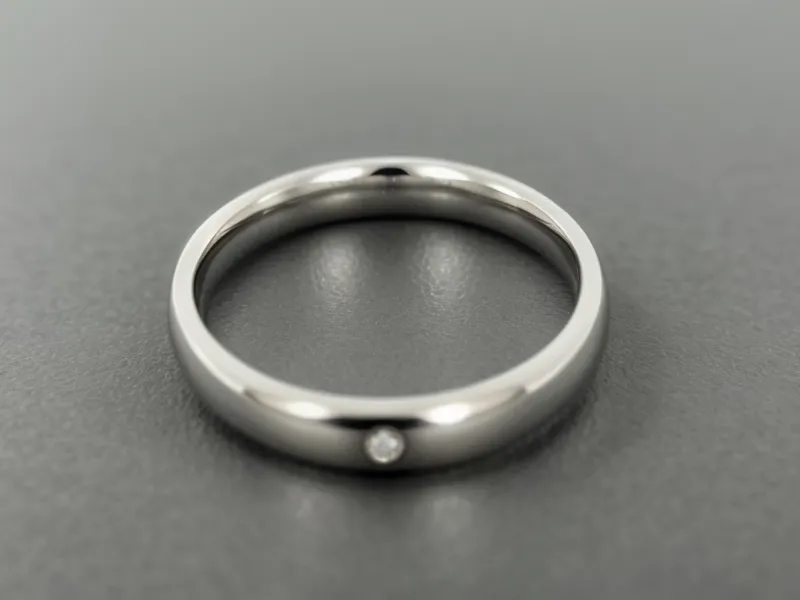
Valentina ended up going with a half-bezel instead of a full one, with metal on the two sides that take the most impact and open on the other two so light and water both get through. We hashed that compromise out over coffee on King Street, binder and all. It's worth asking about before you assume it's full bezel or nothing. It's also the kind of setting where I'd actually bother insuring the ring, since a chipped or loose bezel is a repair job for a jeweler, not a DIY fix, and if your ring size might shift over the years, ask about resizing before you commit, since bezels are pickier about it than a plain prong band.
My friend Emmeline, who still sends me ring photos from Instagram some nights whether I ask or not, took one look at Valentina's snagged sweater and declared bezels the obvious answer for everyone. They're not. It's a trade, not an upgrade, and which side of that trade you'd rather live with is the actual question. This is more useful, honestly, than matching a setting type to how a ring photographs in a display case instead of how you actually use your hands all day.