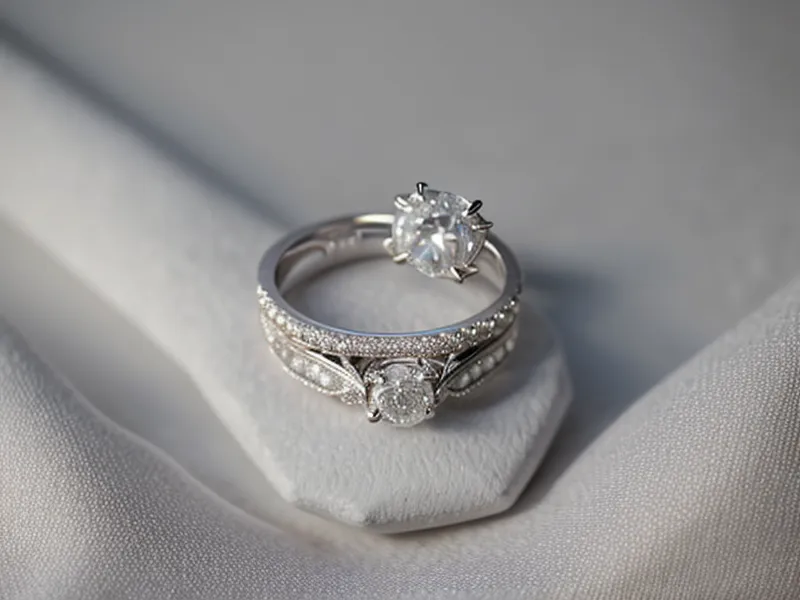
The real protection when buying an engagement ring online doesn't come from the diamond grading report sitting in the listing, but from something else you might not have thought to check yet. Nearly every friend who calls me about ring shopping assumes it's the first one.
It isn't, and that's the whole misconception worth correcting before anyone opens their wallet. A grading report only tells you what a lab determined about one stone, in isolation, under lab conditions. It says nothing about whether the price in front of you is fair, whether the photos match reality, or whether you have any real way to undo the purchase if the ring on your doorstep looks nothing like the one in the thumbnail. The report is paperwork. What actually protects you is structural — what you can verify once the ring is in your hands, and what happens if you can't.
The Certificate Doesn't Protect You
Get the grading report from an independent lab anyway — a report from the Gemological Institute of America is the only version worth trusting, and I've broken down how to actually read one, line by line, elsewhere on this site, so I'll spare the repeat lecture here. Skim past the parts you already half understand — the GIA color grading scale range and the clarity grade both matter, but the full mechanics of each are a longer conversation than this post has room for. What the report can't do is more interesting. It can't tell you the seller priced the stone fairly against comparable stones. It can't tell you a photo editor didn't nudge the color two shades past what the thing looks like on an actual windowsill. It won't even settle the old myth that a diamond is indestructible just because it ranks at the top of the Mohs scale for hardness — hardest doesn't mean unbreakable, and I've seen enough chipped stones to prove it. And none of it substitutes for seeing the stone with your own eyes before the return window closes.
Before I distrusted paperwork, I distrusted something else first — a price-comparison spreadsheet a stranger had built and shared on Reddit, color-coded and confident-looking, that I leaned on hard during my own search. It took an embarrassingly long scroll through the comment thread to notice the last update was two years old. Diamond pricing moves fast enough that a two-year-old number is closer to fiction than fact by the time you're staring at it. Shelby Canizaro, a friend from back home who reached out once he started seriously shopping for a ring of his own, still carries a comparison sheet I sent him printed and folded in his wallet — I remind him every so often to check whether the numbers on it have gone stale, because mine sure had. My partner still finds the binders I kept during my own search excessive, and he's not wrong.
What Does the Video Actually Show You?
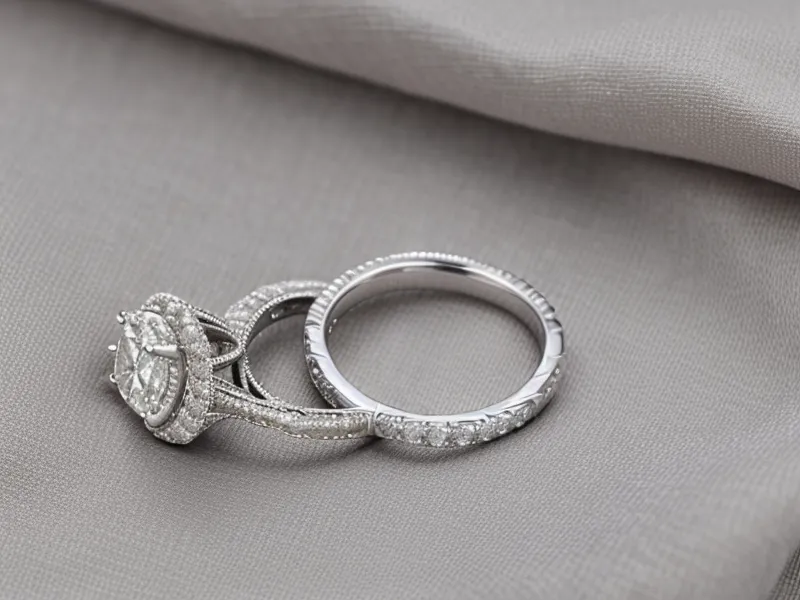
A still photo is the real-estate-listing version of a diamond, not lying exactly, just arranged to flatter. A short video, turned slowly under one steady light, shows something a photo never will: whether the stone goes dark at certain angles. Certain cuts are more prone to throwing a shadow across the center than others — I've gone deep on cut shape elsewhere, so I won't repeat the mechanics here — but once you've spotted that dead patch in a video, you can't unsee it on someone's hand later. If a listing has gorgeous photography and no video anywhere on the page, that absence is the information. Ask for the video before you ask about the price.
The Fluorescence Blind Spot
Fluorescence is the detail that gets buried in fine print. A stone can carry a high color grade and a price that looks like a steal, and the gap between those two numbers is usually explained by one line near the bottom of the report: strong fluorescence. Sellers like to frame it as a bonus, a little extra glow thrown in for free. Under ordinary daylight, it can instead make a near-colorless stone look faintly hazy, like a thin film sitting over it that won't wipe away. You cannot test for that by staring at a laptop screen, which is exactly the problem when the entire transaction happens on a laptop screen. If the color grade is high and the fluorescence note says anything stronger than faint, ask the seller to explain the discount, and if they can't give you a straight answer, treat the discount as a warning label instead of a deal. I went further into how to spot diamond fluorescence issues when shopping at mall stores, if you want the in-person version of this same trap.
Match the Setting to How You Live
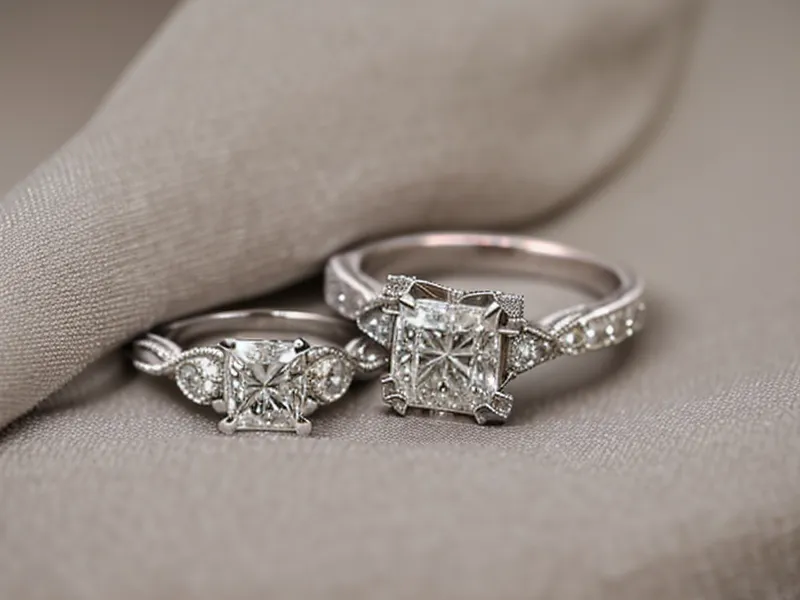
My cubicle neighbor for three years, Sunita Iyer, is the kind of shopper who will walk back into the same store twice before deciding anything — she got engaged about six months after I did and borrowed my comparison notes before she'd even settled on a style. She loved a wafer-thin pavé band in photos, then put a sample on and immediately pictured prying it off every time she typed. That's the entire lifestyle-fit conversation in miniature: a setting that photographs well and a setting you can actually keep on your hand for a decade aren't always the same setting. I've written a full comparison of best engagement rings for active lifestyles to prevent stone damage for people who are hard on their hands, plus a look at the bezel setting for anyone who'd rather have the stone locked in than just held up by prongs. The version of this I actually learned the hard way wasn't in a showroom — it was hearing about a ring nearly lost in the sand at Sullivan's Island because a thin prong caught on a towel and nobody noticed until it was almost too late.
Where the Real Leverage Sits
So, back to the question up top: the real protection isn't the paperwork. A return window with real teeth — one that doesn't cost you money to use, with the fine print on exactly what qualifies spelled out before you buy, not after. If a seller won't let you send a stone back on their dime within a genuine window, that tells you something about how confident they are in what they're selling. Ask whether insurance covers the return shipment too, not only the original sale — a stone that goes missing in transit because nobody thought to ask is its own expensive lesson, and not one you want to learn after the fact.
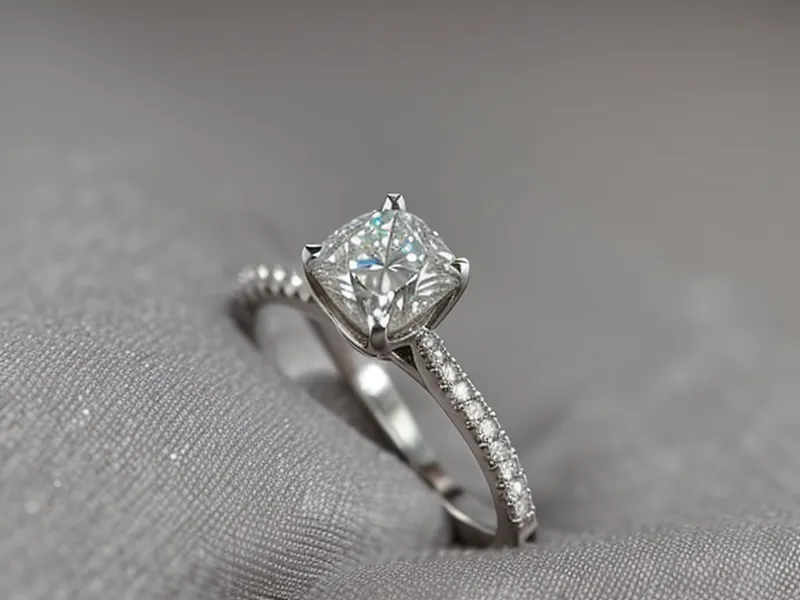
The habit that actually changed how I shop didn't happen in a showroom at all. I keep a velvet tray a jeweler once lent me sitting by the window in my apartment, and more than once I've set two stones on it side by side in that south-facing light just to watch them argue with each other — one reading warmer against the glass while the other stayed ice-white, both of them supposedly the same color grade on paper. Paper agrees with itself. Light doesn't lie the same way twice.
Buying online can still beat a mall chain on price, meaningfully so in my experience, though I'm not going to hand you a specific number to prove it. But that only holds if you shopped with your eyes open instead of your guard down. The myth was never really about the certificate. It was the idea that a document could do the protecting for you. It can't. You can — by checking the video before the price, reading what the fluorescence note actually says, matching the setting to your real hands instead of the photo, and refusing to sign off on anything until you know exactly what happens if the box you open doesn't match the listing. Once the ring itself is settled, the fun part — like working out styling tips from my Alexis Bittar jewelry reviews for modern brides for the actual wedding — can wait its turn.