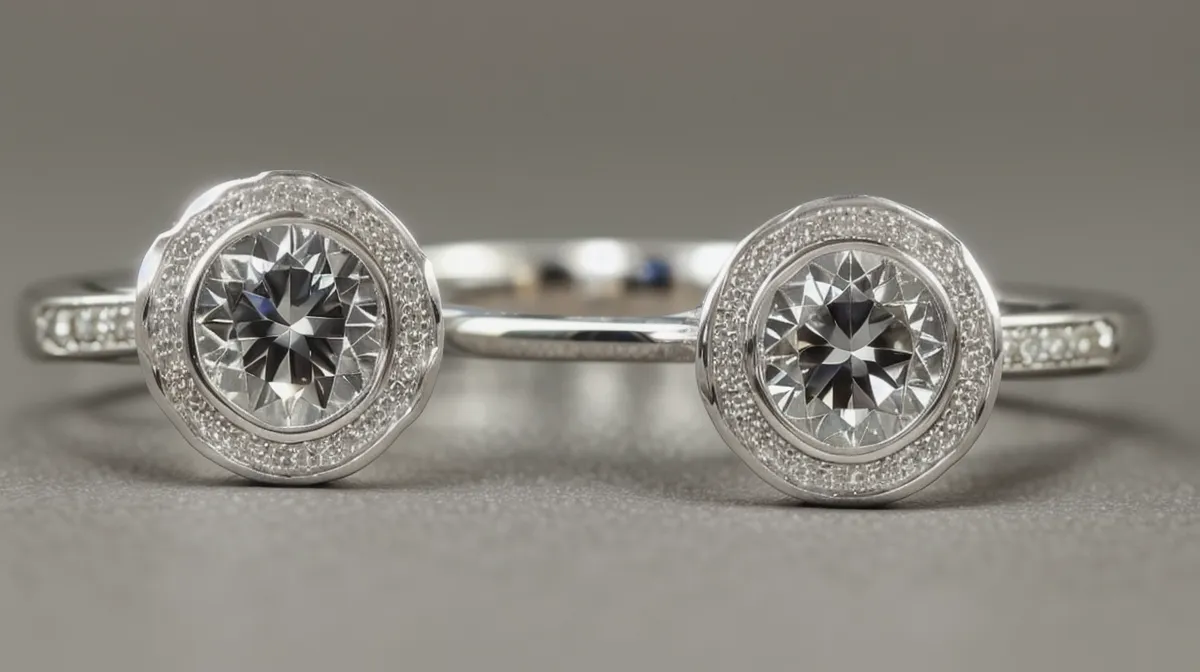
One humid morning in July, a friend calls me from the parking lot of her CrossFit gym in a panic because she realized her solitaire diamond is missing from its prongs. No warning. No snag she felt. Just an empty setting where her center stone used to be. It is the phone call I dread most, mostly because I’m the friend who spent mid-November through the end of summer 2026 obsessing over metal hardness and prong security.
Quick heads up: I’ve got some affiliate links throughout this article. If you click and buy, I earn a commission at no extra cost to you. I only link to the jewelers I’ve spent way too much time researching or visiting in the flesh, usually while making my partner wait in the car. Transparency is everything here.
When I started my own ring search, I treated it like vetting a used car. I didn't care about the romance of the showroom lights; I cared about the structural integrity of the chassis. Living in Charleston, between the humidity and an active social calendar, I knew I needed something that wouldn't catch on every sweater or, worse, drop a stone during a beach day. That obsession turned me into the person who reads return policies aloud at brunch while everyone else is ordering mimosas.
The July Morning Wake-up Call
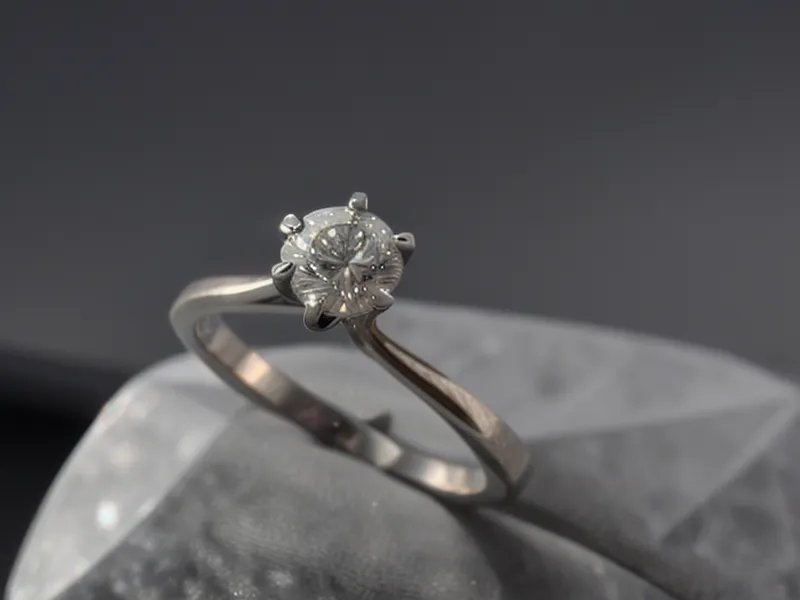
My friend’s gym parking lot meltdown was a textbook case of choosing aesthetics over physics. She had a high-set, four-prong solitaire. It looked like it was floating. It also looked like a disaster waiting to happen. Diamonds are a 10 on the Mohs scale, meaning they are the hardest natural substance, but the metal holding them? Not so much.
If you are active—whether that means hitting the gym, gardening, or just being someone who talks with their hands and hits every doorframe—you have to think about the 'snag factor.' A high-set stone is a lever. Every time it hits something, it puts pressure on those tiny metal teeth holding your diamond in place. Eventually, one of them bends just enough. Then, poof. Stone gone.
I told her what I tell everyone: the setting is the insurance policy for the stone. If you’re active, you need to stop looking at how the diamond sparkles under the halogen lights and start looking at how it’s anchored to the band. We spent that morning looking at her warranty from one of the big mall chains, which luckily covered stone replacement—provided she had her six-month inspections logged. Most people skip those. Don't be most people.
The Structural Integrity Obsession: 14k vs 18k Gold
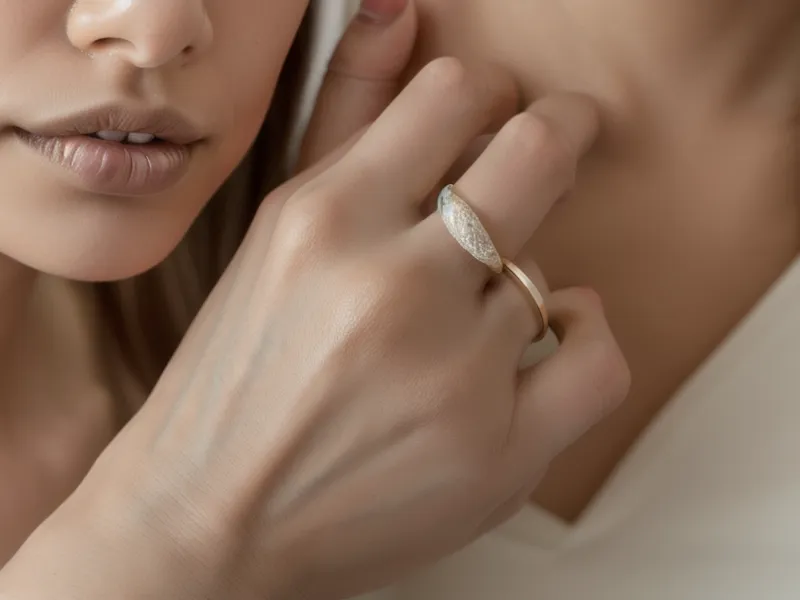
Back in late March, I fell down a rabbit hole regarding metal alloys. Most people think 18k gold is 'better' because it’s more expensive. In the world of active lifestyles, 18k gold is actually a liability. It contains 75% pure gold, which is incredibly soft. For a ring that’s going to take a beating, I always steer my friends toward 14k gold.
14k gold is roughly 58.3% gold, with the rest being harder base metals like nickel, zinc, or copper. That higher percentage of alloy makes the ring significantly more scratch-resistant and, more importantly, keeps the prongs stiffer. I’ve seen 18k prongs pull back like wet noodles after catching on a gym bag. 14k gold stands its ground. It’s the difference between a luxury sedan and a truck built for a worksite. You want the truck.
Then there’s platinum. It doesn’t wear away over time like gold does. Instead, it develops a 'patina'—the metal just shifts around. It’s incredibly secure for holding stones over decades, but it’s heavy. If the weight of a ring bothers you while you're running or hiking, stick to 14k white or yellow gold. Just make sure you’re checking those prongs. A standard 6-prong setting is my baseline for security; if one prong fails, you still have five holding the fort. A 4-prong setting fails, and you’re back to my friend’s July morning CrossFit crisis.
Mall Chains vs. The Online Specialists
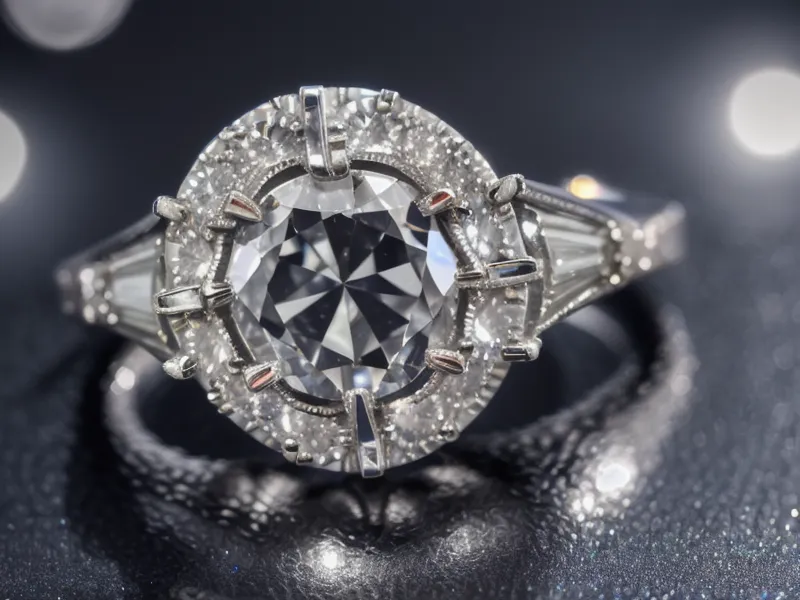
This is where my skeptical marketing manager brain kicks in. I’ve spent hours in Kay Jewelers and Jared, and while the sales scripts can be thick, there is a massive advantage to these big-box retailers for active people: the infrastructure. If you buy from a mall chain like Zales, you can walk into any mall in the country every six months to get your prongs tightened and your stone inspected. That is a huge safety net.
Compare that to a boutique online jeweler like Theo Grace. Their designs are stunning and often much lower-profile, which is great for preventing snags. But if you need a prong tightened before a big trip, you’re shipping that ring off in the mail and waiting. For someone who is rough on their jewelry, that 'open-door' policy at a place like Kay is worth the mall-markup. I’ve read those lifetime warranties cover to cover—they are essentially a forced maintenance schedule that keeps your stone in the setting.
If you’re looking for a larger look without the high-risk investment, I often point people toward lab-grown options. I’ve written about Why I Suggest GOODSTONE for Custom Lab Grown Engagement Rings Online because they allow you to get a high-quality stone at a price point that doesn't make you want to vomit if you accidentally nick it against a granite countertop. Plus, they are great at low-profile bezel settings—the gold standard for active women. If you're still debating stone shapes, check my notes on Round vs Princess Cut Diamonds to see which edges are most prone to chipping.
The Maintenance Reality Check
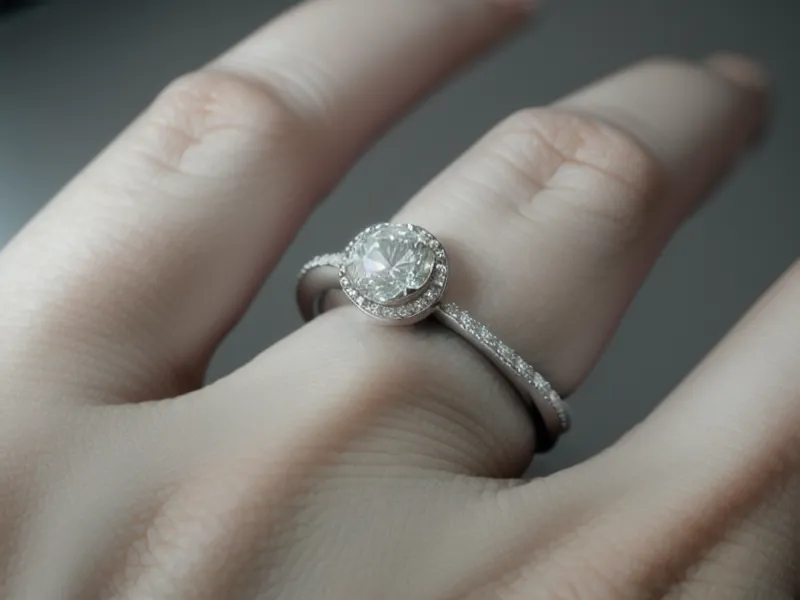
Just before Labor Day, I was helping another friend navigate a return policy at Jared. We were looking at their service plans. It felt like fighting an apartment lease renewal—lots of fine print, lots of 'ifs' and 'buts.' But here is the reality: if you are active, you will damage your ring. It’s not a matter of if, but when.
The 'mall' stores offer a level of accessibility that’s hard to beat. You can get a cleaning and a 'health check' on your ring while you’re picking up a birthday card at the pharmacy next door. For a brand like Kay Jewelers, that lifetime diamond guarantee is their bread and butter. As long as you show up for those six-month check-ups, they’ll replace a lost stone. For my friend at the CrossFit gym, that was the difference between a $0 repair and a multi-thousand-dollar heartbreak.
However, if you want something that feels less like a corporate transaction, Theo Grace offers that personalized touch. They actually listen when you say 'I hike three times a week and I don't want to worry about this.' Their low-profile settings are designed with that specific anxiety in mind. It's a tradeoff between the convenience of a physical store and the thoughtfulness of a boutique design.
The Tradeoff: Security vs. Sparkle
Here is the part the jeweler won’t tell you: the most secure setting is the bezel. A bezel setting wraps the metal entirely around the stone’s girdle, protecting the most vulnerable part of the diamond from chipping. It’s the ultimate 'active' setting. But—and this is a big but—it offers less light reflection than a traditional prong setting. Because more of the stone is covered in metal, less light enters from the sides.
You have to decide what matters more. Do you want the maximum fire and brilliance of a high-prong solitaire, or do you want to be able to reach into your gym bag without checking your finger afterward? I personally think the 'low-profile' bezel or a semi-bezel is the sweet spot. You get the security of the metal wrap without completely killing the sparkle. It’s like picking a wedding venue; you want the one that looks great but also has a solid backup plan for rain.
When you're styling these more 'practical' rings, you can always add personality through your other accessories. I’ve found some great Styling Tips from My Alexis Bittar Jewelry Reviews that help bridge the gap between a 'safe' engagement ring and a high-fashion look. At the end of the day, the best ring is the one that stays on your finger. Don't let a July morning at the gym turn into an expensive lesson in physics. Pick the 14k gold, look for a 6-prong or bezel setting, and for heaven's sake, read the return policy.
| Product | Rating | |
|---|---|---|
| Kay Jewelers Editor's Pick | 9.1 | Read More → |
| GOODSTONE | 8.9 | Read More → |
| Jared | 8.7 | Read More → |
| Theo Grace | 8.5 | Read More → |
| Zales | 8.3 | Read More → |
Kay Jewelers
Pros
- ▸ Unbeatable nationwide network for 6-month prong inspections
- ▸ Lifetime diamond guarantee provides peace of mind for active owners
- ▸ Large selection of 14k gold settings which are harder than 18k
- ▸ In-person resizing and repairs are much faster than mail-in boutique options
Cons
- ○ Showroom sales pitch can be aggressive on financing
- ○ Mass-produced settings lack the 'unique' feel of boutique designers