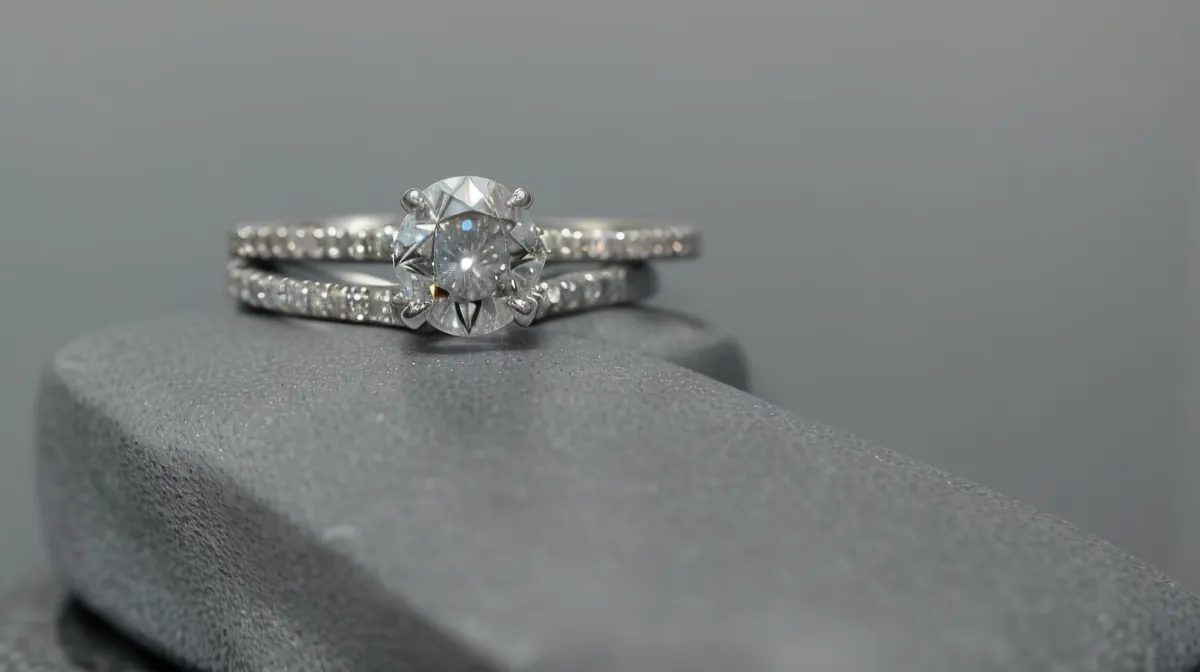
Same clarity grade, same GIA paperwork, and a price gap between two stones wide enough that I figured somebody had made an error. Nobody had. I'd been telling anyone who'd listen that if the certificate numbers matched, the price should land close — cut quality, the seller's overhead, how the stone got sourced, none of that shows up as a line on the paper itself, and it adds up to more than people expect. That gap is basically the whole case for shopping lab-grown diamonds carefully instead of walking into whichever engagement ring counter is closest to the parking garage. I've spent enough time comparing Theo Grace, the mall chains, and the online-only labs — writing jewelry reviews friends actually asked for — to know the sticker price is never just about the stone.
Quick disclosure before any of this goes further: some of the links below are affiliate links, and buying through them earns me a small commission at no extra cost to you. I only link to sellers I've actually put an order through, or watched a friend go through start to finish. If you want to see what a boutique lab-grown seller does differently from a mall counter, Theo Grace is where I'd point you first, and I ran a second data point through Is the GOODSTONE Engagement Ring Review Hype Actually Worth It? if you want another comparison before you commit to anything.
Two Ways to Shop for a Lab-Grown Engagement Ring
Walk into Kay Jewelers or Jared and the first fifteen minutes usually go to financing before anyone's asked what cut you actually want — same script at both, since they share a parent company under two different signs. A financing plan is worth pricing out completely separately from the ring itself; whether a same-as-cash offer actually saves money or just spreads out the full price is a question worth running the numbers on before signing anything at the counter. The other route skips the sales floor entirely. You compare specs on a screen, whenever you're actually alert enough to think it through, and nobody's timing how long you take to decide.
A chain with well over a thousand storefronts to keep staffed and lit prices that overhead into every ring on the case — that's the short version of why a boutique seller can land meaningfully lower on a comparable stone. It isn't a discount. It's a different cost structure entirely, and mistaking one for the other is how people talk themselves into thinking a sale price is charity.
Lab-Grown Diamonds: What the Differences Actually Are
No — not chemically, not physically, not to any test a jeweler in a showroom can actually run. The FTC settled that question on the regulatory side a while back, and the Mohs scale of hardness jewelers use to talk about durability doesn't draw a line between the two either. If someone tells you a lab diamond looks different, what they're usually describing is a cut problem, not a material one.
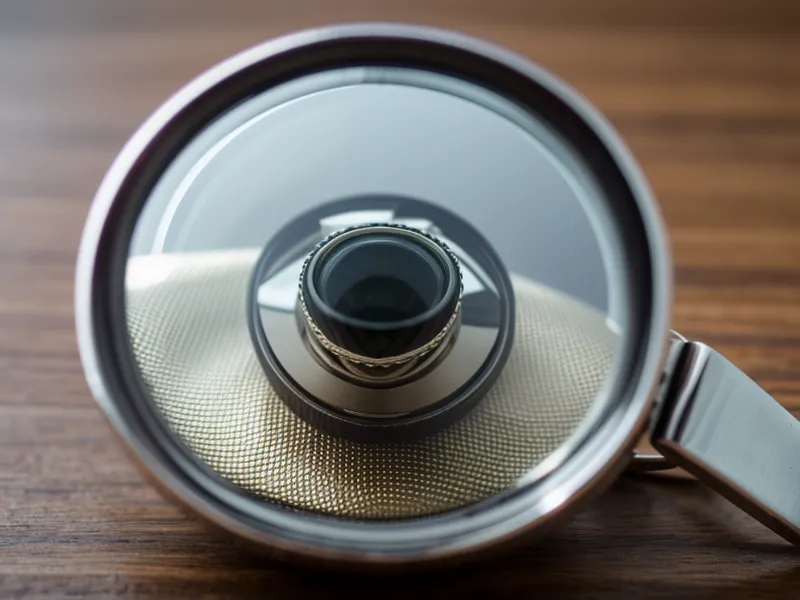
What actually varies is the grading, and that part takes real attention. Reading a GIA report is more than glancing at one letter-number combination, and the 4Cs — cut, color, clarity, carat — are a starting vocabulary rather than the whole story, especially once you're weighing a specific stone against a specific setting. I've gotten into the habit of reading the certificate header before I even look at the grade line, because GIA and IGI paper isn't interchangeable, and which lab issued it changed what I thought a stone was actually worth before I'd read a single number past that.
Sellers like Theo Grace and GOODSTONE both deal exclusively in lab-grown, which means their entire cost structure sits on the tech and the design work rather than a showroom's square footage. That's the trade nobody explains clearly at the mall counter.
The Markup Hides in the Address, Not the Stone
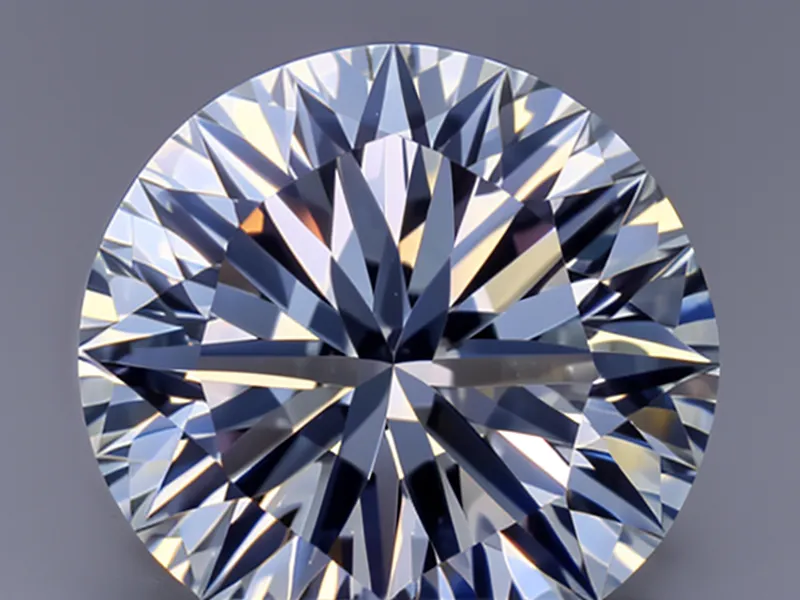
Mall showroom lighting is built to flatter whatever's under the glass — that's not a conspiracy, it's just retail design — so what looks like real fire under those bulbs can read a lot quieter once you're out under ordinary daylight. Zales runs the most aggressive in-store promotions of the big three chains, and their lower tier is exactly where you'll spot a visible inclusion without needing any equipment at all — the naked eye does the job there.
Zales against the other two chains isn't really a lab-grown question so much as a policy one, and I laid out how their return windows and price-matching actually stack up in Comparing Zales vs Kay Jewelers Policies Before You Buy a Ring. If the number on any of these tags is still too high, moissanite tends to come up next as the budget alternative — a genuinely different stone, and worth its own separate conversation rather than a footnote here.
Reading the Policy Before You Sign Anything
My neighbor Keturah is usually the first person to ask about the return policy when I'm mid-comparison for somebody else, and she's right to lead with it every time. That's rule one of any diamond buying tips list that's actually worth following (yes, I'm the friend who reads warranty language instead of ordering another round): read what voids the coverage before you need it, not after. Resizing too many times, cleaning a ring somewhere other than where you bought it, losing the original receipt — any of those can quietly cancel protection nobody explained clearly when you signed.
Insurance is a separate policy from the store's own warranty, and conflating the two is an easy way to end up with neither one actually covering a lost or damaged stone when it matters. If an upgrade is somewhere in the future — a bigger stone once budgets loosen up — ask about trade-in terms before buying, not after. Some sellers credit the full original price back toward a larger stone. Some credit nothing at all.
None of that changes the resale math I keep coming back to: lab-grown value stays softer than mined once the actual numbers get involved, for reasons that have nothing to do with quality and everything to do with supply. I wrote out the full comparison in Lab Grown vs Natural Diamonds: What I Noticed After Months of Research, if you want the longer version.
Setting, Sizing, and the Stuff Nobody Mentions at the Counter
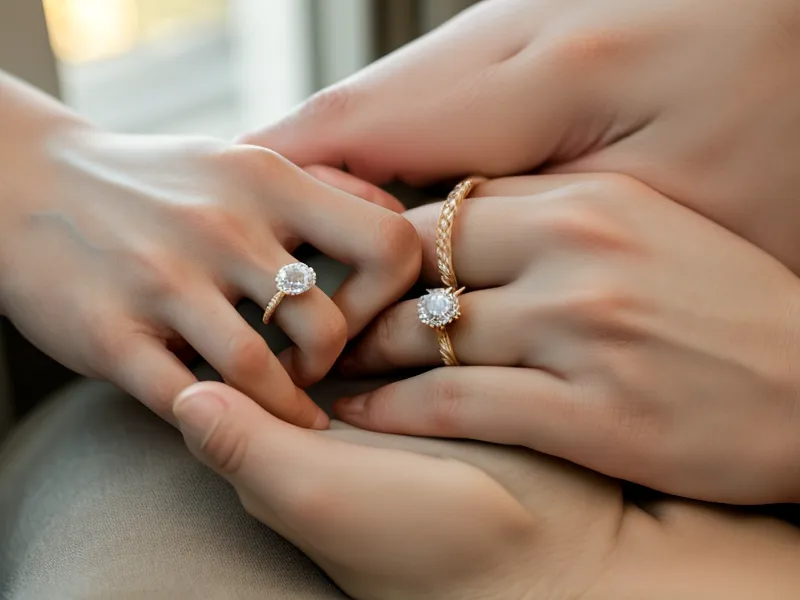
A setting should get chosen around how somebody actually lives — hands in dishwater and dirt all day versus a desk job — and that's a lifestyle question before it's ever an aesthetic one. Custom work runs on its own timeline with its own trade-offs against buying something ready-made off the case, and walking in expecting the same turnaround as an in-stock purchase is where people end up frustrated.
If you're sizing in secret ahead of a proposal, there are ways to get an accurate measurement at home without tipping anyone off, which saves an awkward conversation at the counter later. Fancy shapes complicate things further — an oval or a cushion cut has its own proportion rules for reading bigger or smaller than its actual carat weight, and that's not something you can eyeball from a case photo or a listing image.
Theo Grace leans hard into modern, minimalist settings and skips traditional cushion and princess options almost entirely, which is exactly where a chain like Kay Jewelers still holds the deeper catalog. Shopping online versus walking into a physical store is really a different risk trade-off than most people frame it as — you give up trying the ring on in person, you gain the ability to compare five sellers without leaving the couch.

Choosing Between Theo Grace and a Mall Chain
If a specific, modern-minimalist setting is the priority and you're comfortable comparing specs without holding the ring first, Theo Grace is where I'd point you — the design selection is the strongest argument for going boutique, not the price alone. If you need to see a stone under real light before committing, want the option to walk into a store today, or you're drawn to a traditional cut a boutique catalog just doesn't stock, Kay Jewelers covers that ground reliably enough that I still call it the safe default for anyone who wants a physical fitting.
A neighbor down the street, Otis, spent a couple of years saving for a ring, then took the better part of eight months once he actually started comparing sellers — the most patient researcher I've helped, and proof that nobody serious about this rushes it, whichever route they end up choosing. None of that back-and-forth shows up on the stone itself later — not the counter you signed at, not which showroom had better lighting. What travels forward with the ring is just the cut and the clarity actually graded onto it.