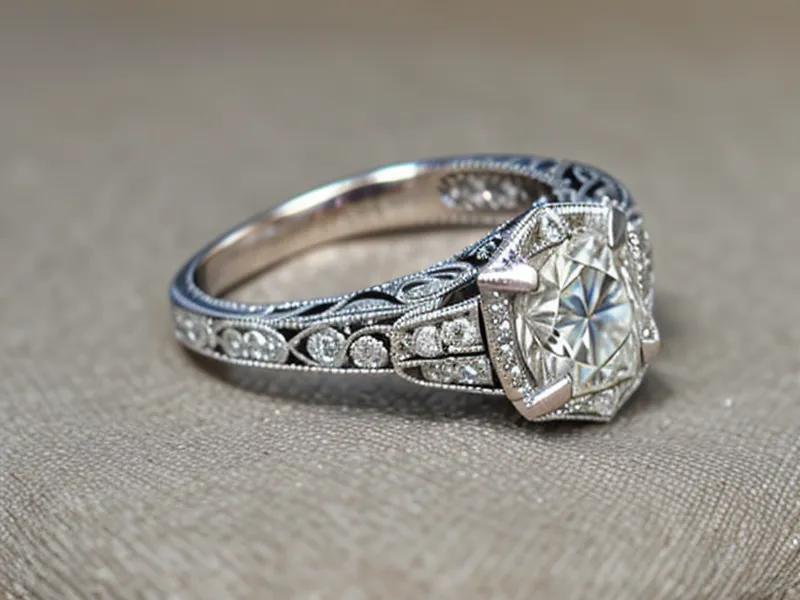
The salesperson stops mid-pitch. I've just read the return policy back to him, specifically the line about store credit only after thirty days, and he loses his rhythm like nobody's ever checked before. This is basically my life these days: friends texting from inside a showroom, wanting to know whether Zales or Kay Jewelers is the safer bet before they commit to an engagement ring most of them won't be able to return once it's sized.
Quick disclosure before anything else, since this gets long: some of the links below are affiliate links, and if you click through and buy, I earn a small commission at no extra cost to you. I only link to jewelers I've personally sat across a counter from or ordered through myself — nobody here paid for placement.
Kay and Zales Aren't as Different as the Showrooms Suggest
Both chains — plus Jared — answer to the same parent company, Signet Jewelers, which explains why the sales scripts sound identical no matter which mall you're standing in. Kay Jewelers leans on its footprint: over a thousand stores nationwide, so wherever you end up living later, there's probably one nearby. Zales, in my experience, chases the deal-hunter instead — more aggressive promotions, faster-rotating inventory, less consistency from one store to the next. Want the higher-end version of the same corporate umbrella? Jared is usually the one mentioned in the same breath, though friends who've walked in report the same financing push you'd get at Kay.
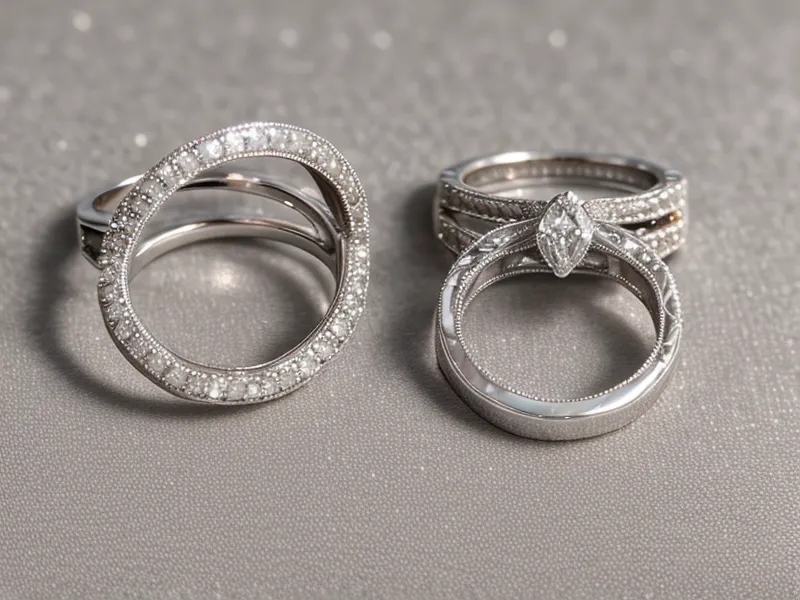
Where the markup actually shows up differs by store, too. Zales tends to lean on financing offers to get a sale across the line; Kay leans harder on the extended-warranty upsell once you're already at the register. Neither is dishonest, exactly. It's just worth knowing which lever a store pulls before you're standing there deciding.
What Happens to Your Return Window Once You Resize the Ring?
Every major chain, Kay and Zales included, gives you a standard month to return non-customized fine jewelry: thirty days, full stop. That sounds generous until you're trying to keep a ring hidden before a proposal and watch a month evaporate. I've dug into hidden jewelry return policy secrets before, and the two chains don't bury the exchange-only clause the same way. One tucks it into the resizing paragraph, the other only surfaces it if you ask directly at the counter.
Resize the ring even once, and that thirty-day window usually turns into exchange-only — no cash back, whatever you decide later. Zales gets particularly strict about this during promotional windows. Buy at 40% off during a flash sale and try returning it on day twenty-nine, and you'll likely walk out with store credit instead of your money back.
The Six-Month Inspection That Can Quietly Void Your Warranty
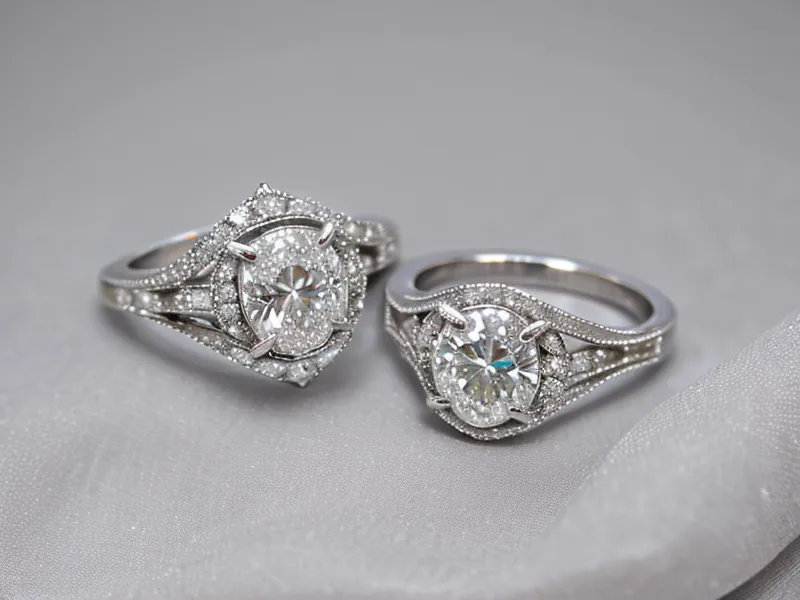
This is the part that trips people up more than the return window ever does. The "lifetime" guarantee on the diamond depends on a six-month paper trail: bring the ring in, get it inspected and cleaned, get the visit logged. Miss one appointment, even by a week, and the warranty can lapse without anyone calling to warn you first.
Financing plays into this too. The same visit that renews your warranty is usually where a Kay rep brings up the payment plan again, which is worth knowing going in. Kay's thousand-plus locations make the inspection itself genuinely easier, since there's probably a store within reach no matter where life takes you. Zales' smaller footprint means relocating to a city without one turns a routine check into hours of driving, twice a year, just to keep the guarantee alive.
Worth saying plainly, too: that lifetime guarantee only covers a defect in the setting, not the ring falling off your hand at the beach. Actual loss or theft is a separate insurance conversation, not a warranty one, and conflating the two is an easy mistake to make when a salesperson uses "lifetime" to cover both in the same sentence.
Diamonds Look Better Under Showroom Lighting
Halogen bulbs are doing a lot of quiet work in every mall jewelry store. A stone that looks flawless under counter lighting can read completely differently once you're home under a regular lamp — inclusions the lighting was built to hide suddenly show up. Knowing how to actually read your own GIA Diamond Grading Scale report matters more here than trusting your eyes in the showroom. I won't pretend I can cover grading scales in a few sentences — that's its own deep dive — but the report is the one document in this entire process that isn't trying to sell you anything.
Pricing follows a similar pattern. Zales runs deep promotions every few weeks, which sounds great until the "discount" turns out to be measured against an inflated baseline price. Kay Jewelers keeps its baseline pricing more consistent year-round, with its own promotional cycle layered on top. Shop either one outside a sale event, and Zales can end up feeling like the pricier option for identical specs, simply because it doesn't discount as constantly.
Lab-Grown and Online: Where the Mall Chains Start Losing
Sunita, a friend from my old office, brought this up over dinner at Shem Creek, her phone open to three different showroom photos while the food got cold — she wanted to know if lab-grown was worth considering before she committed to anything. She ended up going back to the same Kay location twice before she'd decide, which, honestly, is the right instinct when this much money is on the table.
For friends chasing direct-to-consumer pricing without the mall overhead, I point them toward GOODSTONE, a lab-grown specialist that skips the showroom entirely. Someone wanting a more boutique, specific experience usually ends up looking at Theo Grace instead — smaller catalog, more personal service than a mall counter can offer. Moissanite comes up in these conversations sometimes too, though that's a different stone with its own trade-offs and probably deserves its own conversation rather than a mention here. Buying either route online means giving up the in-person try-on, which matters more to some people than others.
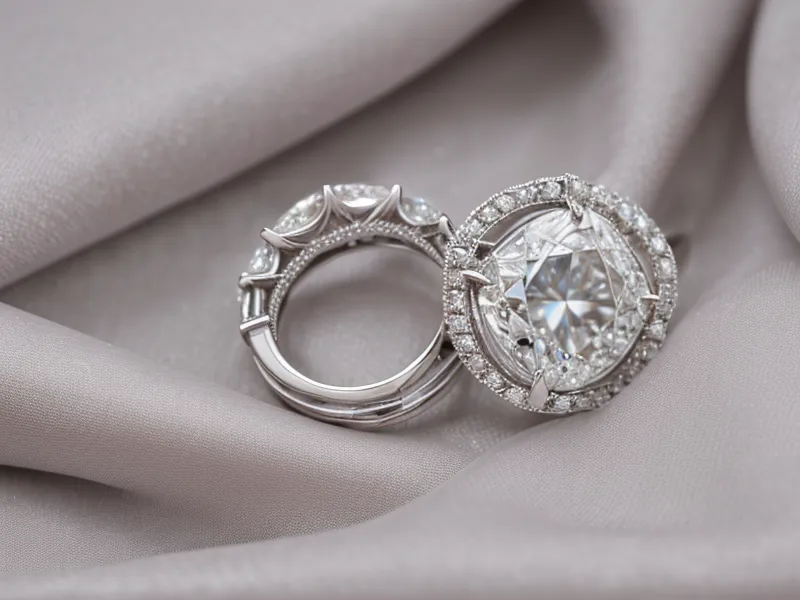
Kay and Zales both carry lab-grown options now, but the markup on them still reflects mall overhead more than it reflects the stone itself. I've written separately about how lab-grown and natural stones actually compare if you want the fuller trade-off — lab grown vs natural diamonds research covers that in more depth than I can here. Short version: the mall isn't where that math tends to work in your favor.
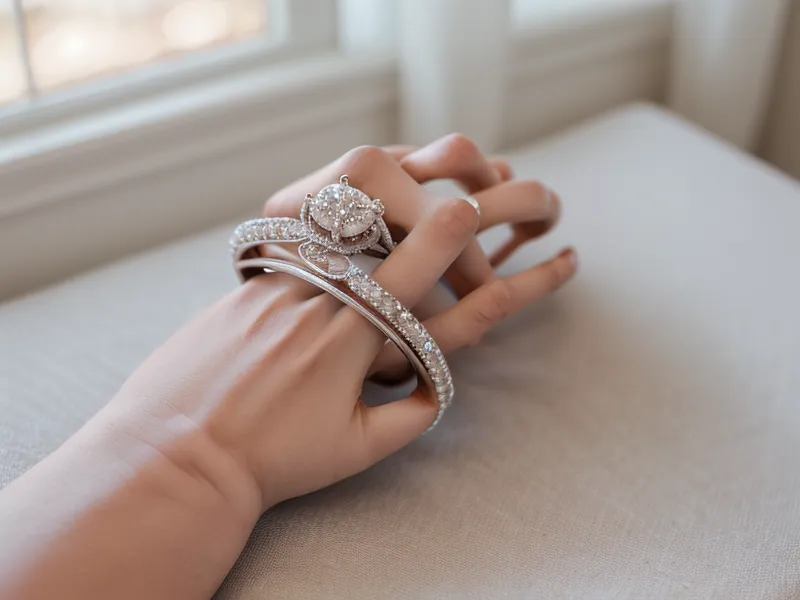
Shelby, a friend from back home who's planning something he's keeping quiet from basically everyone we both know, still keeps a printed comparison list folded in his wallet — he wanted the actual side-by-side in front of him before he'd trust ordering anything sight-unseen. That instinct is the whole point of this piece, honestly: know what you're comparing before you're standing at a counter being sold to.
My side of this happens mostly at a desk, not in a showroom. It's wedged against the window in my apartment in Charleston's North Central neighborhood, currently buried under printed spec sheets from six different jewelers because a browser tab isn't how I actually catch contradictions between what two stores tell me. There's a comparison stone sitting in a velvet tray a jeweler let me hold onto, and a wall of color-coded sticky notes next to the monitor — one color for anything I still need to ask about, another for anything that already reads like a red flag. Early on, I tried shortcutting all of this with a price-comparison spreadsheet somebody had posted on Reddit, figuring crowd-sourced data would save me the legwork. Nobody had touched it in two years — half the promotions it listed had rotated out months earlier, and I nearly quoted expired numbers back to a rep like I knew what I was talking about. I don't outsource that part anymore.
So Which One Actually Wins?
Neither chain is sourcing better diamonds than the other. Same parent company, same supply chain, different paint job on the storefront. What actually separates them is whether you can live with the policy, not the stone itself. A patient deal-hunter near a Zales, willing to wait for the right flash sale, can land a nice setting for less. For most people, though, Kay Jewelers wins on the policy front, mostly because that six-month inspection is actually doable when there's a store within reach.
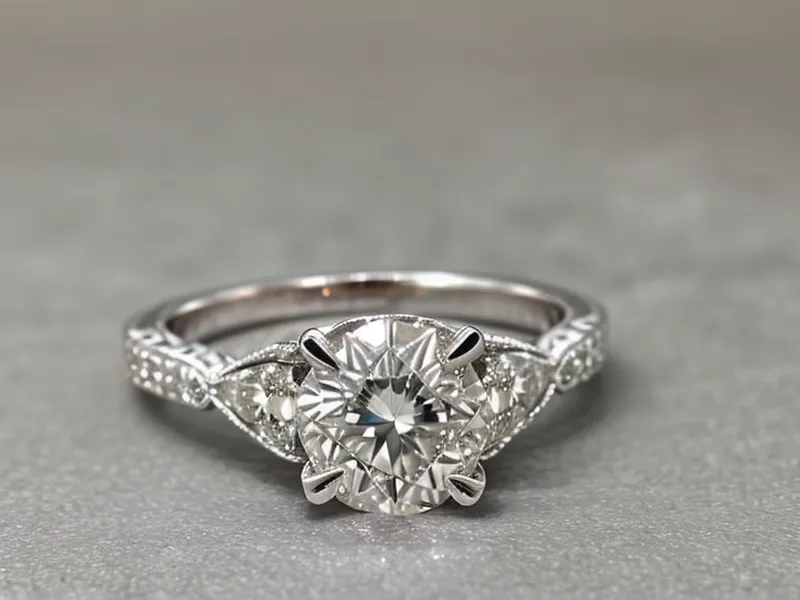
Treat this like any other big purchase you'd actually negotiate: a used car, a lease renewal, or whatever you've haggled over before. Check the service requirements the way you'd check a maintenance record, read the return policy the way you'd read a lease clause, and don't buy at the first number they show you. Ready to start comparing? The Kay Jewelers catalog is a decent place to get a baseline for your budget before you walk into any showroom.