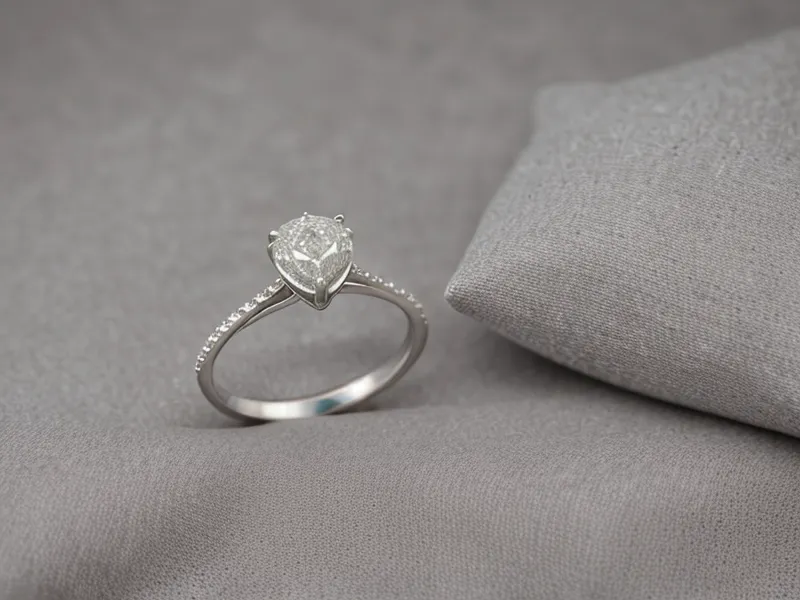
GOODSTONE runs its entire custom design process without a walk-in showroom in most of the country. That's the whole trade-off in one sentence, and it's the first thing I tell anyone who messages me asking whether an online-only jeweler deserves their money for a custom lab-grown engagement ring — which is really what this review comes down to.
Quick disclosure before anything else: some of the links below, including the ones pointing to GOODSTONE, are affiliate links, and I earn a commission if you buy through one. I only put a jeweler on this list after running it through the same checklist I used shopping for my own ring — built from actual store visits and side-by-side comparisons, not a marketing packet a brand handed me.
My criteria haven't changed since my own search: cut and construction matter more than the name on the box, and any retailer worth your money makes its grading report and return window easy to find before you've entered a card number. Everything below breaks down how I check that, chain by chain and site by site (my partner still finds the whole thing a little much, checklist and all).
Why a Mall Counter Charges More for the Same Stone
Start with the three names everyone's aunt has heard of. Kay runs more than a thousand stores across the country, and that overhead — the real estate, the staff, the lighting rig every showroom seems to install — gets folded into the price of the stone whether you notice it or not. Ask about financing before you ask about the diamond: a lot of "lifetime upgrade" plans require you to spend well past your original total before the credit is worth using, which turns a one-time purchase into a recurring one.
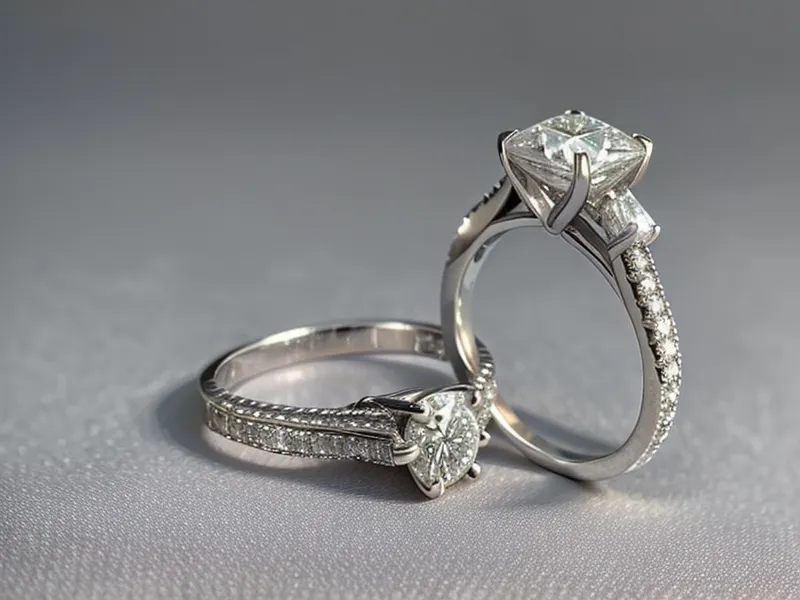
Lighting matters too, and not in a flattering way for the mall model. The overhead glare in most showrooms is bright enough to blur the kind of inclusion you'd catch in five seconds under ordinary daylight. Buying online instead of in a showroom means the retailer doesn't get to control the light your ring photos or your grading report show up in, a comfort if you trust the paperwork, a dealbreaker if you need to hold the piece before you commit. People also lean on a stone's spot on the Mohs scale as if hardness alone settles the question, when it only tells you the diamond won't scratch — nothing about cut, color, or clarity.
Lab-Grown, Natural, and the Moissanite Question
Lab-grown stones are grown rather than mined, and the trade-off is straightforward: comparable cut, color, and clarity for meaningfully less money, against giving up the resale story that comes with a mined stone (a story most buyers never actually cash in on anyway). I wrote a longer breakdown on how I stopped trying to tell one from the other with a loupe, start there if that's still where you're stuck.
Moissanite comes up in the same conversation, and it's worth knowing the two aren't the same material or the same price tier, even though both get pitched as the budget alternative to a mined diamond. If you're still comparing mall inventory at this stage, Jared carries a wider range of higher-carat stones than most chains, and Zales runs some of the most aggressive in-store promotions of the three — a decent baseline price before you shop elsewhere, though I'd verify any sourcing claim a salesperson makes rather than take the label at face value.
Custom Buys You Proportions a Preset Ring Can't Match
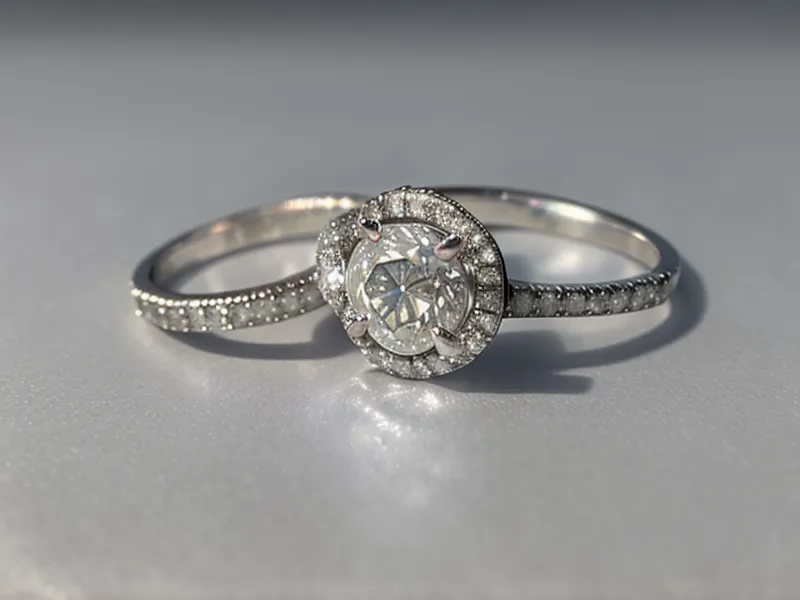
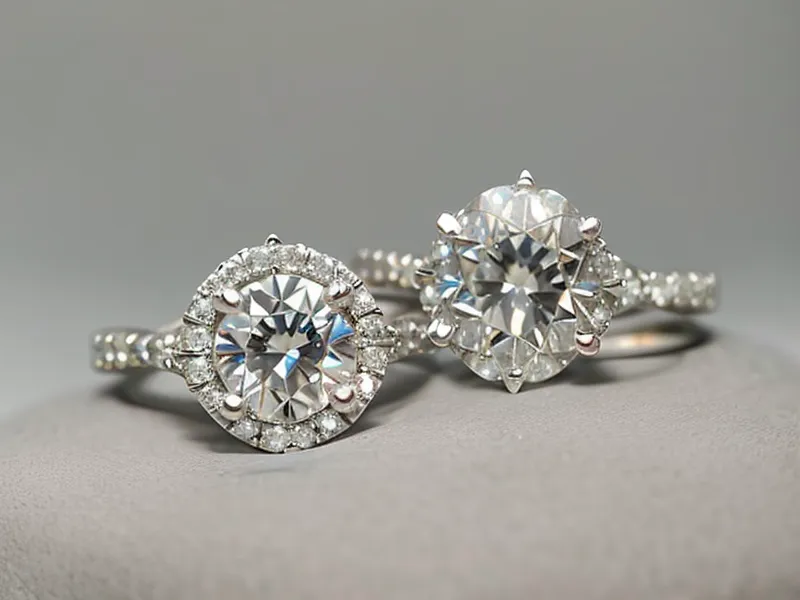
This is where GOODSTONE earns its spot on the list. Most rings get bought pre-set, because it's fast: you point at a case, you pay, you leave. Going custom means picking the stone and the setting separately, so the proportions get built for that specific diamond instead of a generic mount sized to fit ten different shapes reasonably well.
That matters more the further you get from a round brilliant. An oval or a cushion cut needs a setting engineered around its particular proportions, not a one-size mount, and a boutique like Theo Grace leans into that kind of personalized design work too, on a smaller catalog than the mall chains carry. Setting choice itself should track how the ring gets worn day to day — a low-profile bezel holds up to hands-on work in a way a delicate pronged setting won't.
None of that fixes the one real limitation: you can't hold the piece before it exists. I'll say this once because it's worth remembering — I once had two stones laid out at a windowsill for comparison, same grade on paper, and one read noticeably warmer than the other the second actual daylight hit them. A screen and a spec sheet don't catch that. Sizing has the same at-home fix worth sorting out before you order rather than after, if that's part of what's holding you back from buying online at all.
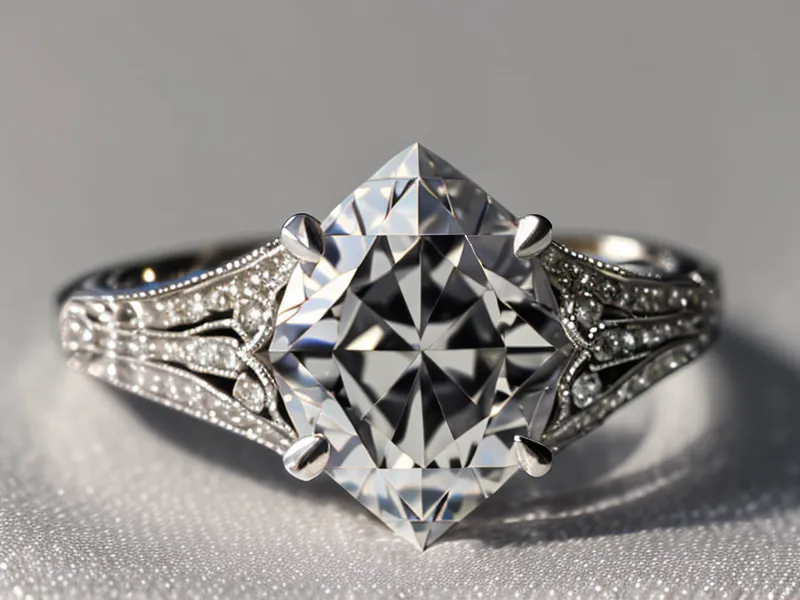
I go deeper on the buying experience itself in my full GOODSTONE review, but the short version is simple: the price gap between a custom lab-grown build and a comparable mall piece is wide enough that it usually buys a meaningfully better cut and clarity grade for the same budget, not just a bigger-looking stone. Ask about the metal too, not only the center stone — tarnish resistance varies more by alloy and plating than most buyers expect, a separate question entirely from the diamond's certification.
Check the Certificate, the Warranty, and the Return Window Before You Pay
A grading report is the one document that actually matters, and most people never open it past the headline number. GIA and IGI don't grade to identical standards — IGI tends to run a touch more generously on clarity and color than GIA does on comparable stones, which matters when you're comparing two "same grade" rings certified by different labs. Learn to read the actual report, not just the number stamped on the front of it: cut, symmetry, and fluorescence lines tell you more than the headline grade ever will.
The mistake I almost made, and one a neighbor of mine nearly repeated, was trusting a store's in-house "diamond specialist" credential without checking what that title actually certifies. Plenty of those designations are internal training programs, not independent grading credentials, and a salesperson can hold one while still reciting a script the marketing department wrote. Independent paperwork beats an in-store title. Every time.
Return windows are where the real leverage sits, and it's the first thing my neighbor Keturah asks about whenever I'm mid-review of some new site. She works in hospital administration and audits everything she buys the same way she audits a claim — return policy first, everything else after. A generous window costs the retailer nothing if the ring turns out right, so a short or heavily restricted one is worth treating as a signal, not a formality.
Lifetime warranties, the kind Kay and similar chains lean on hard in their pitch, usually come with inspection obligations buried in the terms. Miss a required cleaning or inspection visit and the warranty can lapse without anyone calling to warn you first. Trade-in and upgrade programs run on similar fine print: you're often credited at a fraction of what you originally paid, not the current value of the stone, so read that math before counting on it to fund a future upgrade. None of that replaces actual insurance, either. A standalone policy or a rider on renters or homeowners coverage protects against loss and damage in a way a store warranty never will.
Where GOODSTONE Actually Fits
There's a particular quiet that settles into a private consultation room the moment the door clicks shut and it's just you and a salesperson, a hush designed to make you feel looked after, which is a different thing from being informed. GOODSTONE skips that room entirely, for better and worse. You lose the in-person moment; you keep direct-to-consumer pricing and a process built around the specific stone and setting you picked, not a display case built to fit a dozen different rings at once.
A neighbor down the street, Otis, messaged me after he saw something I'd written about a jeweler near us. He'd been saving toward a ring for his girlfriend and took eight months working through every option before he ordered — longer than almost anyone I've walked through this. That patience is the actual lesson here, more than any single brand name: the checklist matters more than which retailer you run it against.
My advice hasn't changed since I finished my own research: prioritize the report over the receipt, and don't sign anything the same day you walk into a showroom. If a custom lab-grown build is the direction you're leaning, here's where GOODSTONE stacks up.
GOODSTONE
Pros
- ▸ Direct-to-consumer pricing skips the massive mall markup
- ▸ Lab-grown specialists with high-end optical specifications
- ▸ Custom design process ensures better aesthetic cohesion than pre-sets
- ▸ Transparent sourcing and modern design aesthetic
Cons
- ○ No physical showrooms for in-person try-ons in most cities
- ○ Requires more patience during the design phase than mall shopping