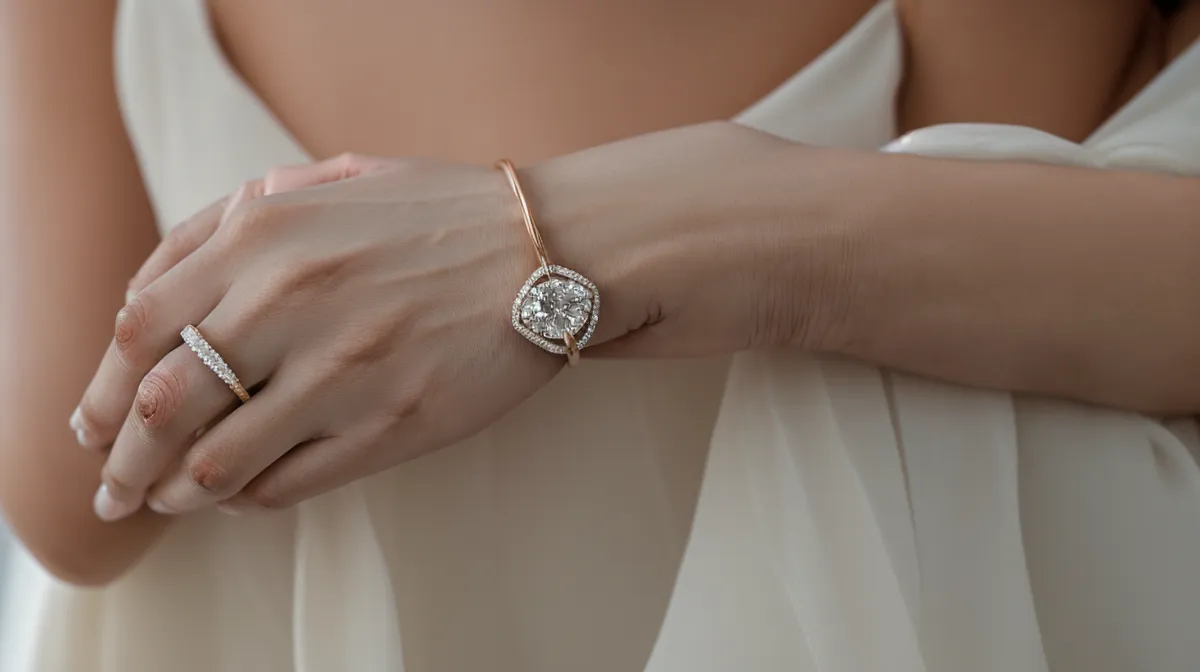
Six people have asked me some version of the same question about their engagement ring this year, word for word, more or less. Theo Grace or Goodstone? That's the whole question on the surface. Underneath it sit smaller ones: which one keeps a stone's specs honest on paper, down to boring stuff like refractive index, which one actually lets you change your mind after a deposit, and which one treats a small custom tweak as the whole point instead of an inconvenience.
Quick disclosure, since I'd rather say it up top than bury it: some of the links below are affiliate links, and if you click through and buy, I earn a small commission at no extra cost to you. I only write about jewelers I've actually dug into, for my own ring search or a friend's bridal shopping since, and nobody on this list pays me to be nice about them.
Two years since my own ring search, I'm still the one friends loop into the group chat. I'll read a return policy out loud, unprompted, at brunch. Most of the time the debate starts at the same fork: the safe, mall-anchored reliability of a chain like Kay Jewelers, or the leaner, direct-to-consumer world of lab-grown specialists. That's the fork this piece actually settles.
Do the mall chains still matter?
Yes, and here's why I never skip that step when someone messages me. Kay Jewelers has locations everywhere, so you can hold a ring in your hand before committing to anything. I stood in front of a case at Jared once, watching a salesperson angle a stone under the halogens: one facet blew out white while the ones next to it went almost gray, and I understood right away that's the lighting doing its job, not the stone. I walked out without buying, and for once in that kind of showroom, I didn't feel like I owed anyone an apology on the way to the door. Jared still earns its place if you want a wider selection of higher-carat solitaires than a typical mall counter, and their service plans hold up. Zales plays a similar game with more aggressive promotions.
None of that's a knock on the mall — it's just where the markup for that convenience shows up, along with financing plans that work the way store financing always does: convenient at checkout, worth pricing out separately before you sign anything. People who come to me specifically about lab-grown stones already know they want something the FTC settled years back — chemically and physically, a lab-grown diamond is a diamond. That's where GOODSTONE and Theo Grace come in, and where the real comparison starts.
A lab-grown diamond is the same stone, made differently
The material science part is short. Lab-grown and mined diamonds land in the same spot on the Mohs scale, and the usual comparison points — cut, color, clarity, carat — apply to both the same way. The difference is where the carbon spent its time, not what it is. That's true everywhere, which is why GOODSTONE can spend its energy on optical specs instead of convincing anyone the stone is "real." Whether lab-grown versus mined matters to you beyond that is its own separate debate, and a longer one than fits here.
What Goodstone leans into is speed and precision on a standardized design — the fast, technically clean side of lab-grown buying. The trade-off shows up later: resale on GOODSTONE stones, like most lab-grown, tends to soften faster than resale on mined ones, which matters if trading up for a bigger stone down the line is part of your thinking. I mention that at brunch more than I'd like to, mostly because someone's uncle always brings up "investment," and a ring is not a 401(k).
Customization versus speed, the real trade-off
Theo Grace operates more like a boutique designer who actually reads your inspiration folder. Where Goodstone has a system built for standard settings and moves fast inside it, Theo Grace treats a small tweak (thinner prongs, a lower profile so a setting doesn't snag a sweater, a specific brushed finish) as a normal request instead of an exception. Ask GOODSTONE to veer off their standard path and the friction shows up fast; the system that makes them efficient is the same one that resists changes.
Neither approach is wrong. It's the same choice as picking between a dealership with one configuration in stock and a shop that'll special-order the trim you actually want: you're trading certainty and speed for exactly-what-you-pictured. Setting choice matters more here than people expect going in: a design built for a minimalist, low-profile hand is a different decision than one built for someone who wants height and drama, and that's worth sorting out before you fall for either brand's default catalog.
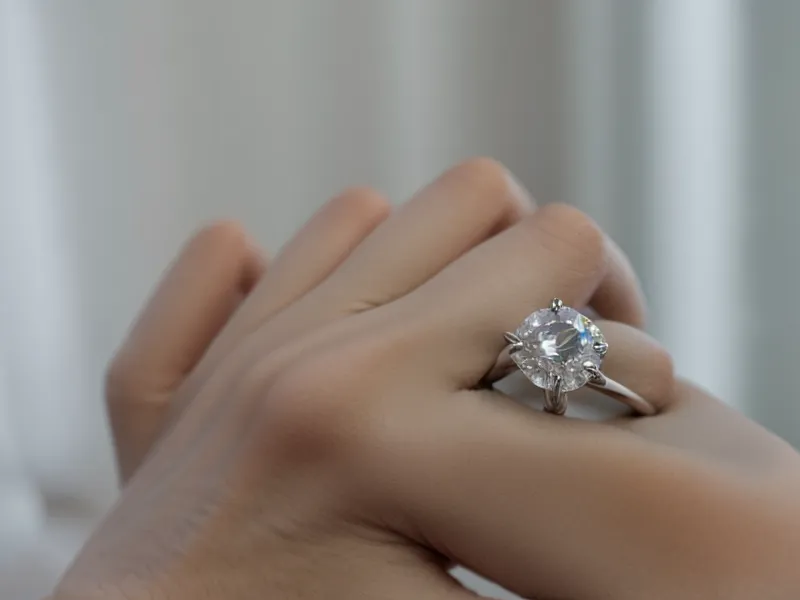
Why do the certification reports say different things?
This is the part that made me feel dumb the first time I actually sat with a report instead of skimming the summary line. Most lab-grown stones ship graded by IGI, and it's a legitimate lab, but some buyers still want the extra weight of GIA on the paper. I wrote up the real differences in IGI vs GIA Lab Grown Diamond Certification Differences, including what happens when one brand standardizes on IGI and the other lets you pay extra to have the same stone re-graded by GIA. Learning to actually read what a report is claiming, line by line, matters more than which lab issued it.
Here's the thing I almost got wrong early on (and yes, I'm now the friend who double-checks every credential someone hands her, which is exhausting for everyone at brunch): I trusted a store's "certified diamond specialist" badge on a name tag without ever checking what that credential actually certifies. Turns out it can mean anything from a real gemological program to a two-day internal training course. Ask what it covers before you let it carry any weight in the conversation.
Theo Grace was more forthcoming about the individual character of a specific stone whenever I've dealt with their support — you get the actual report and a 360-degree video instead of a summary word like "eye clean." I went further into the online-specialist landscape in Comparing Online Lab Grown Diamond Stores, and one thing that keeps standing out about Theo Grace is how narrow their focus stays. They're not trying to be everything to everyone the way Zales or Kay Jewelers are, and that narrowness is basically the whole brand.
Better return policies
My neighbor Keturah is usually the first person to ask this when I'm mid-review of anything. She works in hospital administration and audits every purchase like it's a claims form, ring included. Fair question, and it's the one people skip until it's too late to matter. Kay can afford a generous, straightforward return window because they have the store infrastructure to back it up; a standard ring typically comes back within thirty days, no drama. Online specialists have to be more careful, since they're moving faster with less overhead behind them. Theo Grace felt more flexible in the conversation stage, before anything's locked in, but once you start changing the actual structure of a setting, you're usually in final-sale territory no matter who you bought from.
Read the return policy before you fall for a design, not after. That's the one piece of leverage you actually have as a buyer, and it disappears the moment a custom order gets confirmed.
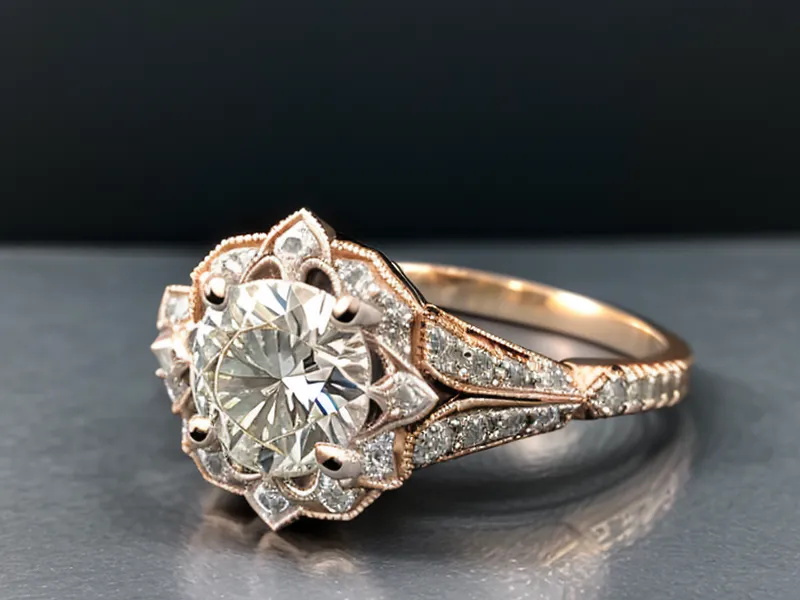
Most people end up deciding on one thing
My neighbor down the street, Otis, messaged me a while back wanting a second opinion before he pulled the trigger on a ring for his girlfriend. He took longer than almost anyone I've helped, and when he finally landed on Theo Grace, it wasn't the spec sheet that did it. It was the setting conversation — someone on their team treated his fifth round of "can we adjust the prong height" as a normal question instead of an annoying one.
If what you actually want is the security of a chain with a thousand locations and a warranty you can claim at any mall in the country, Kay Jewelers or Jared are genuinely fine choices. They've stuck around this long for a reason, and there's nothing wrong with wanting a physical counter to walk into when something needs cleaning or resizing.
Choosing Between Theo Grace and Goodstone for Your Engagement Ring
Go with GOODSTONE if you want technically precise stones, a streamlined process, and a classic style you're not planning to heavily modify. Go with Theo Grace if you're the person who needs three rounds of "can we move the prong a little" answered without an eye-roll, and you're fine trading a smaller catalog for that. Either way, treat it like the big-ticket negotiation it actually is — the same way you'd vet a used car or push back on a lease renewal. Don't let good lighting do your thinking for you.