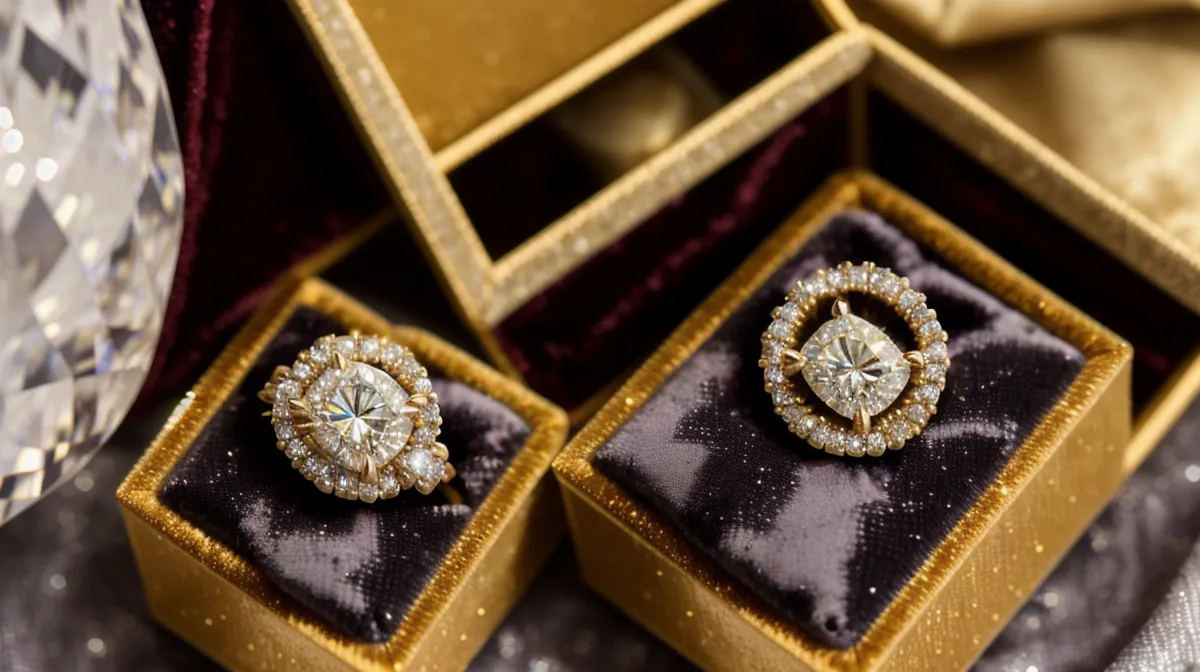
GIA spent most of a century building its name on natural stones; IGI spent a fraction of that time doing the same for lab-grown ones. That's the entire disagreement, compressed to one sentence, and it's the reason half of engagement-ring shopping turns into an argument about which logo belongs on the paperwork. A coworker's girlfriend, Valentina Forde, tracked me down through the office Slack after word got around that I keep spreadsheets on this exact kind of decision. Her first question about a lab-grown diamond wasn't about clarity or cut. It was whether an IGI report would hold resale value the same way a GIA one would. Underneath that is the real question: does diamond certification even work the same once you're talking lab-grown instead of natural, and does it actually matter for engagement-ring shopping the way forums insist it does.
Two Labs, Two Very Different Timelines
Short answer: not in the way most showrooms present it. The Gemological Institute of America opened in 1931 and spent decades as the only lab that mattered for natural stones. The International Gemological Institute showed up in 1975 and got treated, for a long stretch, as the also-ran. Then lab-grown diamonds became a real category, and GIA moved slowly — for years, it issued limited reports that gave color and clarity as ranges instead of specific grades, which is close to useless if you're trying to compare two stones side by side. IGI didn't hesitate. It became the lab most lab-grown sellers actually used, handing out the specific numbers — an 'E' color, a 'VS1' clarity — that buyers wanted. GIA didn't start issuing full digital reports for lab-grown stones until 2020. By then, IGI already had the inventory and the trust of most specialists selling them.
Why GIA Grades Lab-Grown Diamonds Stricter Than IGI
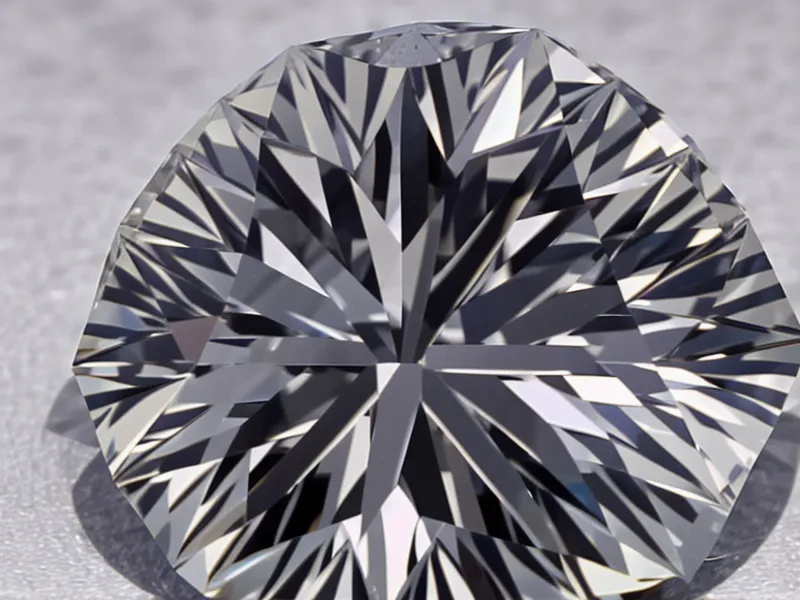
That history explains the trust gap. It doesn't explain the actual grading difference, and that's the part most forum arguments skip. GIA's top cut grade is 'Excellent.' IGI's top tier is 'Ideal.' That's not just a naming choice — if you're browsing a site like Comparing Online Lab Grown Diamond Stores for Your Engagement Ring, you'll notice IGI 'Ideal' listings cluster around narrower proportions than GIA 'Excellent' ones do, because IGI's top-tier standard is simply more specific. Color grading runs the other direction. GIA tends to grade lab-grown color more conservatively than IGI does for what amounts to the same stone, and two diamonds that look identical face-up can land a full grade or more apart depending on which lab looked at them, with GIA usually landing lower. Neither lab is wrong. They're using different thresholds, and once you know that, a GIA 'I' color reading as visually white as an IGI 'F' stops being a mystery and starts being a spreadsheet problem — one the lab name explains, not the diamond. I almost bought the 'budget lab' line myself the first time I heard it — it took holding two full reports side by side to see the thresholds were just different, not worse.
What the Report Actually Tells You
Here's the part I actually walked Valentina through: stop starting at the logo and start at the numbers underneath it. A full report from either lab gives you crown and pavilion angles, table percentage, and symmetry — the numbers that predict whether a stone reads lively or flat once it's on a hand. Most lab-grown stones fall into the Type IIa diamond category, for what it's worth, which is a growth classification and not a grade, and that's about as deep into the chemistry as this comparison needs to go. Learning to read a full GIA report line by line the way a gemologist would is its own skill, and not one I'm going to teach in a paragraph. What matters here is that the comments section, not the header, is where a stone's actual personality shows up, and IGI tends to be more descriptive about flagging growth-related characteristics there than GIA's newer digital reports are, which can read as clinical by comparison.
My desk under the one big window in my North Central apartment doesn't look like a desk anymore. It's buried under printed spec sheets from half a dozen jewelers, stacked taller than my monitor at this point, with a single stone sitting on a velvet tray a local jeweler let me borrow so I can compare it against whatever's loaded on a screen. The wall beside it is covered in Post-its — yellow for a question I still need answered, pink for anything that reads as a red flag until proven otherwise. Emmeline, my college friend and eventual bridesmaid, took one look at that wall (color-coded is generous; unhinged is more accurate) and asked whether I was solving a murder or buying a ring. Fair question. I still don't have a great answer.
The Return Policy Told Me More Than Either Report Did
None of this — the labs, the grades, the comments in the report — means much if the store selling you the stone won't stand behind it. I learned that dragging myself through three mall chain showrooms in a single Saturday and leaving the third one more confused than I'd been walking into the first. Mall chains mark up lab-grown stones plenty on their own, separate from whichever lab graded them, and that markup conversation deserves its own space instead of getting folded into this one. By the third counter, the air near the back cases had gone flat and over-conditioned in that specific way mall stores manage by mid-afternoon, and I'd stopped being polite about it. What actually cut through the noise wasn't a grading report. Reading a return policy out loud, slowly, and asking what happened if the ring came back after sixty days instead of thirty, did more. I watched the salesperson stop mid-sentence to recalculate before answering. That told me more about how much a store trusted its own inventory than any certificate did. If sustainability is part of why you're looking at lab-grown at all, I've laid out how different sellers handle that angle in my rundown of the Best Lab Grown Diamond Engagement Rings for Sustainable Shoppers, separate from anything about certification. The mechanics of using a return window as leverage before you buy are worth a longer conversation on their own, but the short version holds up fine by itself: ask the question out loud, in the store, and watch the reaction.
Choose IGI When, Choose GIA When
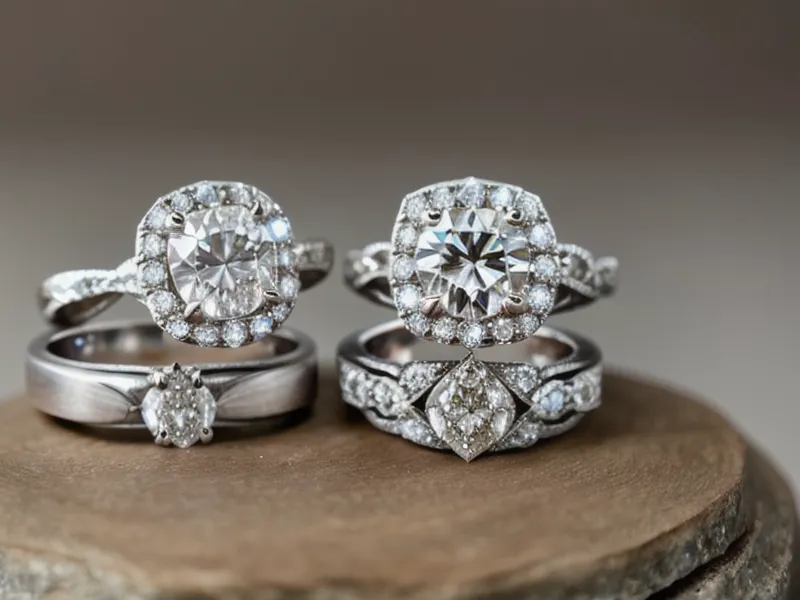
This is where I actually land on it, and it isn't complicated once the noise is stripped out. Choose IGI when you're buying lab-grown and want the most specific, most consistently available grading on the market — it's what most lab-grown specialists use, and the 'budget lab' reputation is a hangover from the natural-diamond era that doesn't map onto this category. Choose GIA when a store only carries GIA-graded lab-grown inventory, when you're buying a fancy shape where proportion nuance matters even more than usual, or when you simply want the extra caution of a lab that grades color more conservatively — some buyers like knowing a number cleared a stricter bar, even if it costs a little more for a stone that reads the same to the eye. Neither choice is a mistake. The mistake is picking based on which name sounds more official instead of asking what either report is actually telling you.
Other Decisions This Debate Doesn't Make For You
A few adjacent decisions get dragged into this argument that don't actually belong to it, so they're worth separating out before you go back to shopping. Whether lab-grown belongs in your search at all, against a natural stone, is its own argument entirely, and a longer one than this page has room for. The 4Cs — cut, color, clarity, carat — are the foundation everything else sits on, and if those aren't solid in your head yet, the cert question is premature. Moissanite gets pulled into the same conversation sometimes, but it's a different stone with a different comparison to make. Custom builds versus buying something already sitting in a case is a separate decision tree, as is financing if a store offers it, as is picking a setting that actually suits how you live day to day, and so is insuring whatever you end up with once the ring is on a hand instead of in a report. Sizing a ring without tipping anyone off, buying online versus walking into a physical counter, trading a stone in later for something bigger — all real questions, none of them answered by an IGI or GIA logo.
That's the actual question you walked in with, and it doesn't take a spreadsheet to answer. Pick the lab whose report style matches the stone in front of you. Read every line of it, including the comments, not just the header. Pick a seller who answers a direct question about their return policy without stalling. I told Valentina all three things. The logo on the paperwork is not the diamond — look past it.