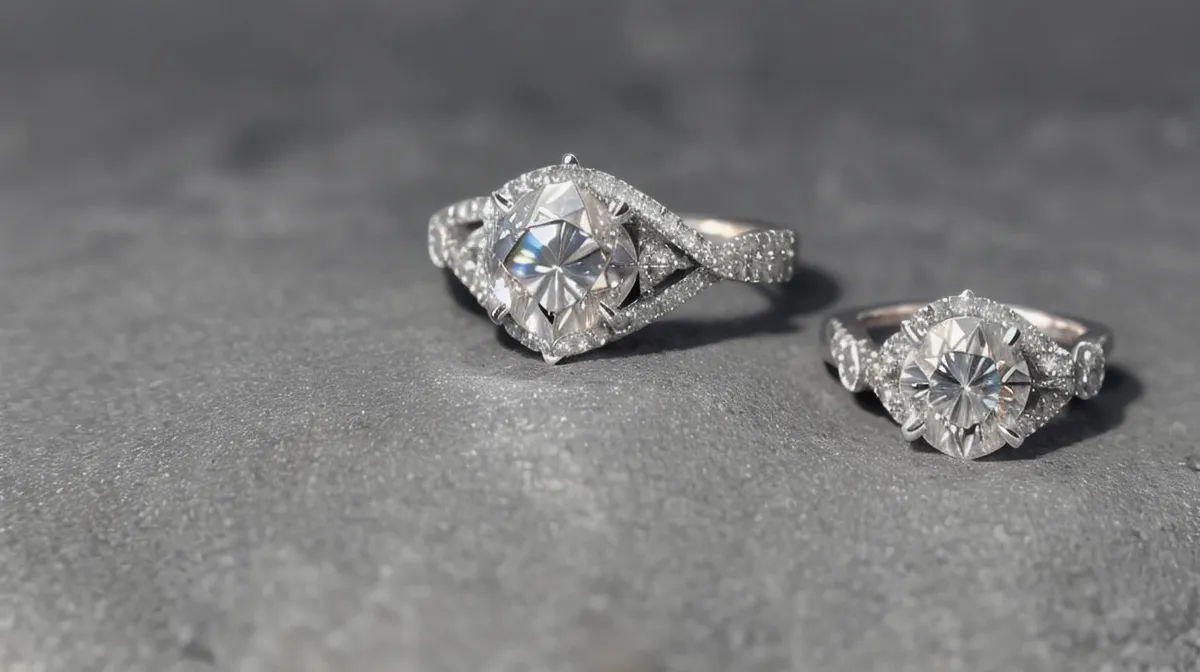
A lab-grown diamond and a mined diamond can carry the exact same grading report and still land thousands apart by the time either one sits in a showroom case. That price gap, not the natural-versus-lab debate everyone assumes is the real question, decides whether a sustainable jewelry purchase goes well or turns into a regret you're still explaining to people a year later. People ask me about lab-grown diamond engagement rings and ethical sourcing often enough at this point that I finally sat down and answered the actual questions, in the order people usually ask them, instead of telling one more story about a showroom visit.
Quick note before any of this: this site runs on affiliate links, and if you click through and buy something, I earn a commission at no extra cost to you. I only point people toward jewelers I've researched myself or walked into in person — I'm still the friend who reads return policies aloud at brunch, so you don't have to. Full transparency policy is linked below.
Everyone eventually asks me some version of the same handful of questions, so here's what I actually tell people who want the best lab-grown diamond engagement rings without getting steered by whoever's standing behind the counter that day.
Is a Mall Chain Actually Worth the Convenience?
Kay's the one with over a thousand stores across the country, and that's the entire pitch: walk in, try on ten rings in an hour, walk out with something on order. Kay Jewelers banks on that convenience, and showroom lighting is built to make even a middling stone throw a lot of light back at you — not dishonest exactly, just optimized. Jared runs a similar playbook one notch up, with a better selection if you want a larger solitaire, but pricing for a comparable stone usually sits above what an online specialist charges for the same specs. My neighbor Otis asks about the warranty and the service plan before he's even looked closely at the stone in front of him, which is smarter than it sounds. In-person service really is the one thing a mall chain does better than anyone selling direct online. What it doesn't do better is price. Financing gets pushed hard at both counters, and whether that financing actually makes sense is its own separate question I won't get into here. The markup between a mall chain stone and a direct-to-consumer one is real, and it's most of what you're paying for when you buy the convenience. I went down the Lab Grown vs Natural Diamonds research hole myself before trusting an online-only brand with a four-figure purchase, and the short version is: chemically there's no trade-off at all, only a pricing and resale one.
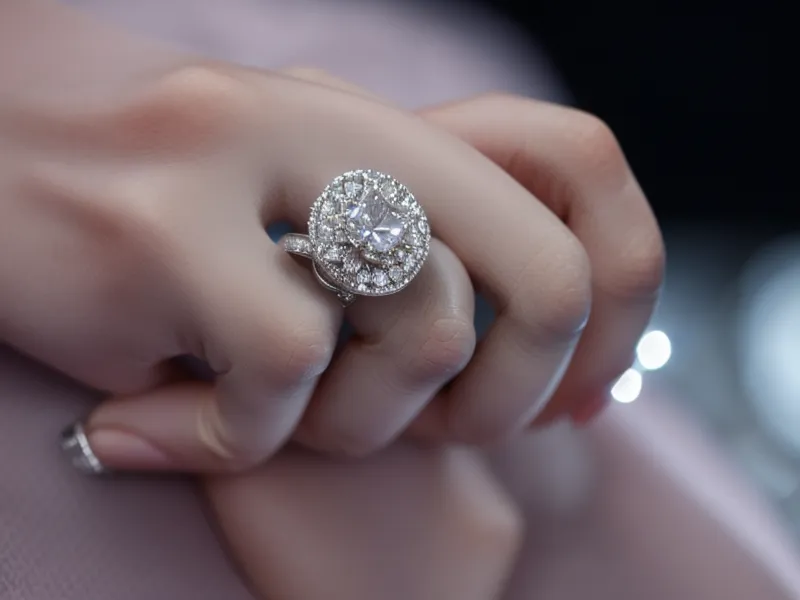
Zales Runs the Most Aggressive Promotions of the Three
Zales leans harder into in-store promotions than either Kay or Jared, and its everyday gold and gemstone selection outside of engagement rings is genuinely strong. Its lower-tier engagement stones can run thin on clarity, so a loupe check matters more here than it does at the other two. Whether Zales is a good place for beginners is a question I get asked constantly, and buying online versus walking into a physical Zales changes the answer more than people expect, since what's shown online doesn't always match what's actually sitting in a given store's case.
What Does "Sustainable" Actually Mean for a Lab-Grown Diamond?
Sustainable, in this context, mostly means skipping the environmental and labor questions that come with large-scale mining, not some certification stamped on a box. The Federal Trade Commission settled the definitional argument back in 2018, when it updated its guidance to count lab-grown stones as real diamonds rather than imitations. A lab-grown stone is grown instead of dug up, usually through Chemical Vapor Deposition (CVD), and it registers the same on the Mohs scale of mineral hardness as anything pulled from the ground. Cut, color, clarity, carat — the four things that actually price a stone — apply the same way regardless of where it grew; I've broken all four down in detail elsewhere, so I won't repeat it here, but lab-grown doesn't get graded on a softer curve.
The Grading Report Question Nobody Explains Well
A GIA report is worth asking for before you agree to anything, though actually reading one is its own skill, and that's a deep enough topic for its own conversation rather than a paragraph here. IGI grades lab-grown stones too, and IGI and GIA aren't interchangeable in how strict they run, which matters more for lab-grown shopping than most people realize going in. Here's the one I actually got wrong early on: a salesperson introduced himself as a certified diamond specialist, badge on his jacket and everything, and I took that credential at face value the first time around. I never asked what the certification actually required, or whether it had anything to do with grading skill versus a week of sales training. It turned out to mean a lot less than the confidence behind it suggested. Now I ask what a credential actually certifies before I let it influence anything.
Lab-Grown vs. Specialist Online Brands: GOODSTONE and Theo Grace
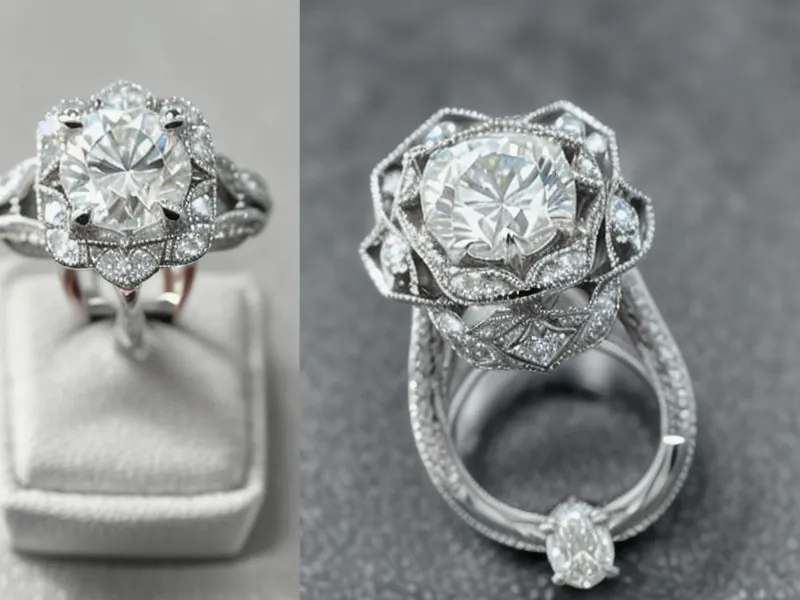
GOODSTONE is where I point people first if pure diamond quality per dollar is the priority. It's a lab-grown specialist with no thousand-store footprint to heat and cool, so pricing runs more aggressive than anything at the mall. I've weighed GOODSTONE against Theo Grace more than once, because they solve different problems: Theo Grace has a boutique, minimalist catalog and customer service that actually calls you back, and whether Theo Grace diamonds are worth the price depends on how much that boutique feel is worth to you against GOODSTONE's broader technical spec range. If you want a setting built around the stone rather than picked off a rack, that's a custom-versus-ready-made decision that changes both the timeline and what you end up paying, worth understanding before a setting photo online talks you into something. Picking a setting that survives what your hands actually do all day is its own separate lifestyle question, and it deserves some thought before you fall for a design online. Someone shopping last month texted me a photo of the price tag before she'd signed anything, and I spent the next twenty minutes explaining what every line on it actually meant, because none of it reads as obvious the first time you're looking at it. My full breakdown of the GOODSTONE engagement ring review hype gets into whether it holds up — mostly it does, provided you know what you're trading away by skipping the showroom. If the price still feels like too much stone for the number on the tag, moissanite is the next rung down worth knowing about, though that's a different gem with its own trade-offs entirely.
Does a Lab-Grown Diamond Hold Its Value?
Lab-grown stones lose resale value faster than mined ones, flat out. Mined diamonds hold their price better mostly because of perceived rarity, not because they're objectively better stones. If trading up in ten years is part of the plan, or the ring doubles as a financial asset in your head, that's worth sitting with before you buy lab-grown. Most sustainable shoppers I talk to don't care much once they hear it, because the goal was ethical sourcing and stone quality today, not a resale plan for later — but I'm the friend who asks the awkward question, so I ask it. A trade-in program at a jeweler down the road can soften that resale hit somewhat, and the terms on those programs vary more than people expect, so read them closely before you assume your ring qualifies. None of this shows up on a homeowner's or renter's policy automatically either. A ring this size usually needs its own rider, and that's a short call worth making before the ring ever leaves the store.
How the Major Players Stack Up
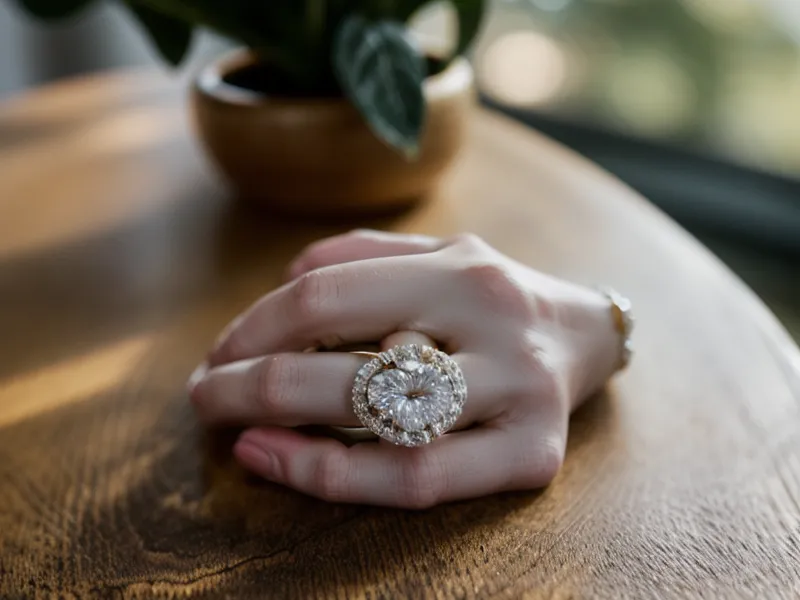
An oval cut, which is what a lot of the sustainable shoppers I talk to end up choosing, reads bigger for its carat weight than a round does and photographs well, too — worth knowing if that's part of the appeal for you. Here's how the five names I get asked about most compare, side by side:
| Brand | Best For | Rating | Key Advantage |
|---|---|---|---|
| GOODSTONE | Lab-Grown Specialist | 4.3 | Direct-to-consumer pricing, high technical specs. |
| Kay Jewelers | In-Person Service | 4.4 | 1,000+ locations for easy resizing and cleaning. |
| Theo Grace | Modern Minimalists | 4.2 | Boutique feel and personalized customer service. |
| Jared | Larger Solitaires | 4.2 | Better high-carat selection than standard mall stores. |
| Zales | Budget Promotions | 4.1 | Aggressive sales and wide everyday gold selection. |
What About Return Policies and Sizing Before You Buy?
Ask about the return policy before you ask about anything else. The leverage you have to walk away or exchange later depends entirely on what's written down at the point of sale, not on what a salesperson tells you out loud. My neighbor Keturah keeps a running list of stores she'll never set foot in again, and two of them are chains most people assume are the safe, boring choice. Getting an accurate ring size without tipping anyone off is its own small project — there are ways to do it at home, and I'd rather not guess wrong and deal with a resizing hassle later. Private consultation rooms have a particular quiet to them once the door clicks shut and it's just you and someone whose job is to sell you something. That quiet is doing some of the selling too, and it's worth noticing.
Where I'd Start If Sustainable Sourcing Is the Priority
If ethical sourcing and stone quality matter more to you than resale value or a thousand-store service network, GOODSTONE is where I'd start looking. They're not trying to be a mall chain with a website bolted on; they focus on the stone itself and skip the extras that drive up a mall chain's overhead. Go look at what's actually available before you decide anything. Check the GOODSTONE catalog, and if the boutique feel matters more to you than raw spec-for-spec value, put it next to Theo Grace and see which one actually fits the ring you're picturing, not the one a salesperson is picturing for you.