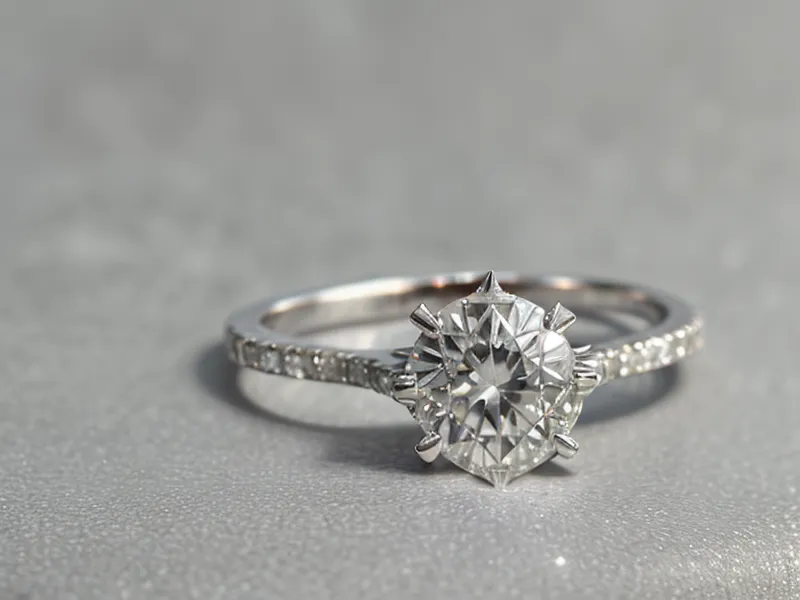
Zales keeps its display counters cold enough that resting both forearms on the glass for more than a minute leaves a chill. That's usually the first physical thing beginners notice at a mall jeweler, before the lighting or the sales script ever registers. People ask me about diamond buying at Zales more than almost any other engagement ring question I get, probably because it's the first name that comes up in any mall jewelers search or jewelry review roundup.
Quick disclosure before any of this goes further: this site runs on affiliate links, mine included, and I earn a small commission if you click through and buy from a store like Zales — at no extra cost to you. I only link to places I've actually walked into or ordered from myself, which is the only standard I trust when someone's spending real money on a ring.
A neighbor down the street, Otis, called me about this instead of texting — that's just how he handles anything that matters — after he'd stood at a Zales counter trying to figure out if the "certified diamond specialist" badge on the salesperson's shirt meant anything real. He'd assumed it did. It didn't, not in any way he could verify on the spot (I'm the friend who reads return policies out loud at brunch, so this is exactly my kind of problem to get pulled into), and it's the same trap beginners walk into at almost every mall counter, not just Zales.
Is Zales Actually a Good Starting Point for a First Engagement Ring?
Short answer: yes, for looking, not necessarily for buying on the spot. Zales sits alongside Kay Jewelers and Jared under the same parent corporation, positioned as the more accessible entry point of the three with the most aggressive in-store promotions. Kay leans on its footprint — over a thousand stores nationwide — as the reason to trust it, while Jared skews toward buyers who want a bigger solitaire and doesn't mind mall pricing for the wider selection.
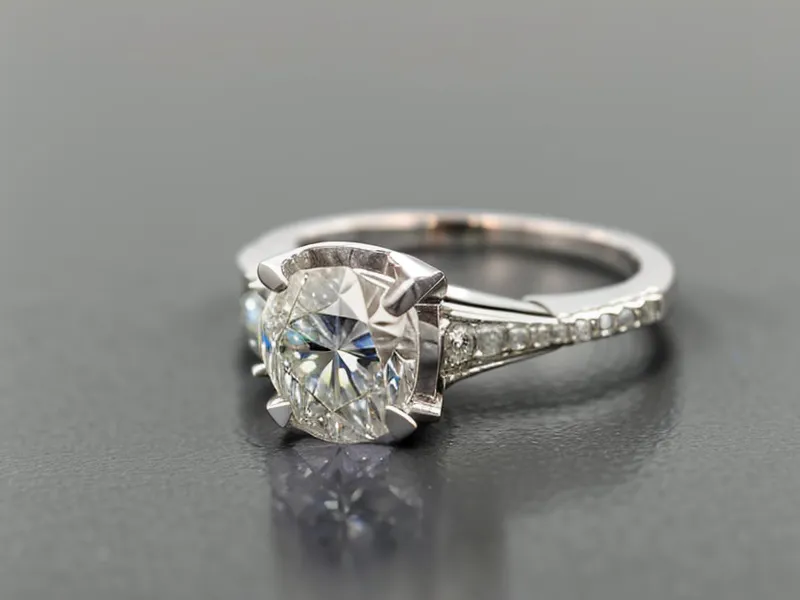
Financing is where the pressure actually shows up, more than the lighting does. Zales' scripts lean on payment plans and warranty add-ons the same way Kay's do, structured to get a signature before you leave the store, and the store financing cost question deserves its own math before anyone agrees to it at the counter.
The Total Carat Weight Number Zales Won't Spell Out
The math trips up more beginners than the sales pressure does. A tag reading "1 ct. t.w." adds up every stone on the band and any halo around the center, not just the main diamond, and carat measures weight, never size, no matter how the tray is arranged under the lights. A single one-carat stone is worth more than several small stones that add up to the same total weight, because larger clean stones are rarer than a handful of chips, and that gap in value is exactly what a "1 ct. t.w." tag is built to obscure.
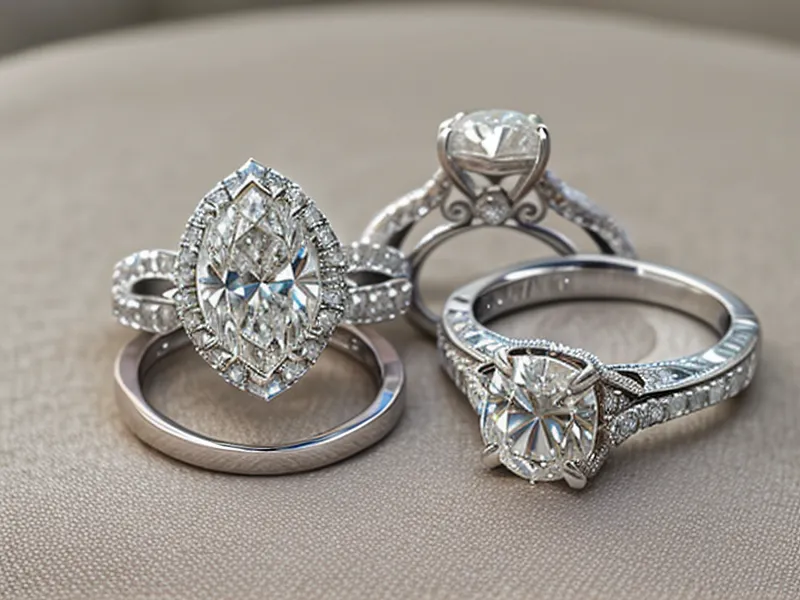
Gold purity plays a smaller version of the same game. Zales leans on 10k and 14k gold to keep prices approachable, and while 10k holds up better against daily wear, it reads paler than the 18k most people picture when they think of fine jewelry. None of that shows up on the price tag either — you have to ask. If you want the disclosure side of this, my Comparing Zales vs Kay Jewelers Policies Before You Buy a Ring post goes through what each chain actually tells you upfront versus what you have to dig for.
A Nametag Credential Is Not a Grading Report
Otis's story is the clean version of a mistake a lot of beginners make at that counter. A badge on someone's shirt might mean they finished an internal training program the store itself designed and grades against, which is not the same as an independent lab standing behind a stone. A credential a store hands out about its own inventory tells you what the store wants you to believe, not what's actually true about the diamond in the case.
The first time someone put an actual GIA report in front of me, on a stone I was checking on Otis's behalf, I skipped straight past every column I didn't understand and went for the clarity plot, since at least that was a diagram instead of a wall of abbreviations. That's still the fastest way I know to tell whether you're looking at real third-party grading or a printout designed to look like one.
Weighing Zales Against an Online Specialist
Compare that to a lab-grown specialist like GOODSTONE, and the tone of the whole transaction changes. Lab-grown stones are chemically identical to mined ones, they score a 10 on the Mohs Scale of Hardness same as any natural diamond, and a direct-to-consumer shop like GOODSTONE skips the overhead that a mall storefront and its lighting rig are built to justify. The trade-off is real, though: no physical counter to hold the ring under your own light, and resale sits lower than a mined stone if you ever plan to trade up later.
Keturah, my neighbor one floor down, is usually the one who catches what I miss on the presentation side of these comparisons. She's the one who pointed out that a friend's Theo Grace order arrived looking sharper, box and all, than anything Zales hands across a glass counter. Boutique online shops like Theo Grace tend to put more thought into that single moment than a chain built around repeating the same unboxing routine at every location. My longer take on lab-grown versus mined stones is in Lab Grown vs Natural Diamonds: What I Noticed After Months of Research, if you want the fuller version.
A few things this piece won't get into, but that matter just as much once you're past the beginner stage: moissanite is a legitimate stand-in for a mined or lab diamond, not a downgrade, and it's worth its own comparison. Custom builds behave nothing like picking a ring off a display tray. Cut, color, clarity, carat — the 4Cs — are the vocabulary every salesperson assumes you already speak, whether you do or not, and knowing when IGI grades a stone more loosely than GIA matters the moment you're comparing lab-grown quotes between two shops. Insurance is a separate contract from whatever warranty a store sells you at the counter, and so is sizing your own finger correctly before you ever set foot in a showroom, or understanding what a trade-in program is actually worth years later. A fancy shape like an oval has different cut proportions to watch for than a round stone does, and picking a setting that survives your actual life — gardening, typing, working with your hands — matters more than picking one that just looks good in the case. Buying online instead of walking into a physical Zales changes what leverage you have if something's wrong when the ring arrives, too. And that Zales return window that sounds generous on the sales floor? What you get back is store credit, not your money — worth knowing before, not after.
Seeing Stones in Person Before You Compare on Paper
For actually seeing shapes on your hand, nothing beats standing in front of a case. I still tell beginners to walk into a Jared or a Zales just to compare how an oval sits against a pear on their own finger, before any online order gets placed. Just don't sign anything on that first visit — no financing plan, no "today only" price — because whatever discount is on the table now will be back within a few weeks under a different name.
If you're deciding between the two mall names specifically, my Jared vs. Kay comparison gets into the markup gap between them in more detail than I can here, including where Jared's selection actually earns the higher price tag and where it's just brand positioning.
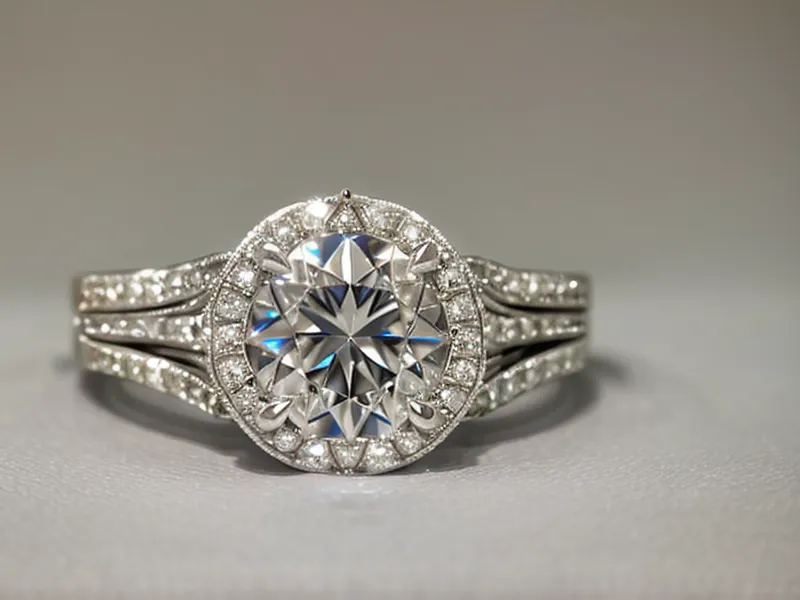
Here's how the four names in this piece stack up against each other, based on what I've seen walking into each of them and ordering from the ones without a storefront.
Comparison of Major Engagement Ring Retailers
| Retailer | Best For | Typical Quality | In-Person Support |
|---|---|---|---|
| Zales | Aggressive Promotions | Mixed (Watch for TCW) | High (Mall Locations) |
| Kay Jewelers | Convenience | Standard Commercial | Highest (1,000+ Stores) |
| Jared | Wider Selection | Mid-to-High | High (Galleria Style) |
| GOODSTONE | Lab-Grown Value | High Precision | Limited (Online Focus) |
Zales or a Lab-Grown Specialist: Here's the Trade-Off
The trade-off comes down to timing and control. Choose a mall counter — Zales or Kay Jewelers — when you need to see it, try it, and walk out wearing it the same day, and go in already knowing the 4Cs and the Total Carat Weight trap so the script doesn't work on you. Choose the online route when you can wait out shipping and want more stone for the same budget, since skipping the storefront markup is where that value actually comes from. Either way, ask for the grading report before you ask about the warranty, and read whatever return policy they hand you before you decide anything else.