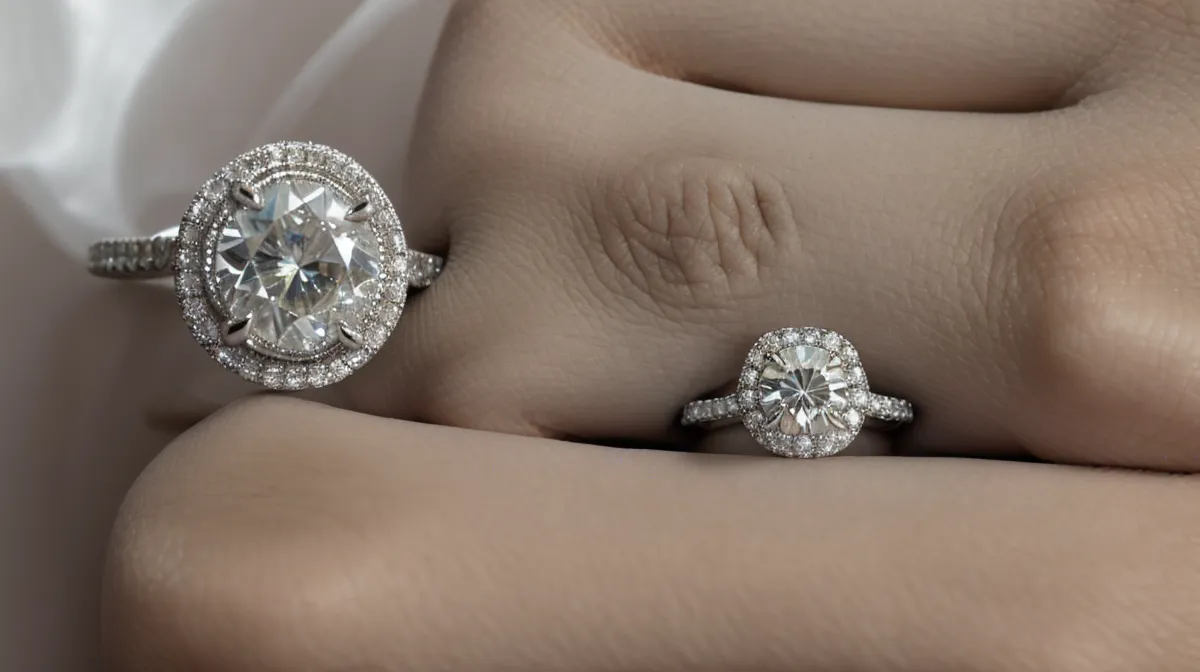
A hidden halo doesn't read as a halo in most photos. It shows up as a plain solitaire until the ring tilts and a second ring of stones flashes from underneath the center stone. That's the whole pitch behind a hidden halo engagement ring: minimal from the top, more going on from the side.
Quick housekeeping before the questions start: some of the links below are affiliate links, including the ones to GOODSTONE, and if you buy through one I get a small commission at no extra cost to you. I only link to jewelers I've actually researched, corresponded with, or had a neighbor test out — nobody's paying me to say a setting works when it doesn't.
So here's what people actually ask me about hidden halos — starting with whether they're worth it at all, then working down into gloves, warranties, and the fine print stores don't volunteer (I really am the friend who reads return policies out loud at brunch, ask anyone who's had to sit through it).
Is a Hidden Halo Really the Best Choice Right Now?
The hidden halo sits below the girdle, not around it, which is the whole trick. A traditional halo frames the center stone so everyone in the room registers it first. A hidden halo keeps that frame private — you see a clean solitaire head-on, and the detail only shows up in profile, on a raised hand, or in a photo taken from the side instead of straight down.
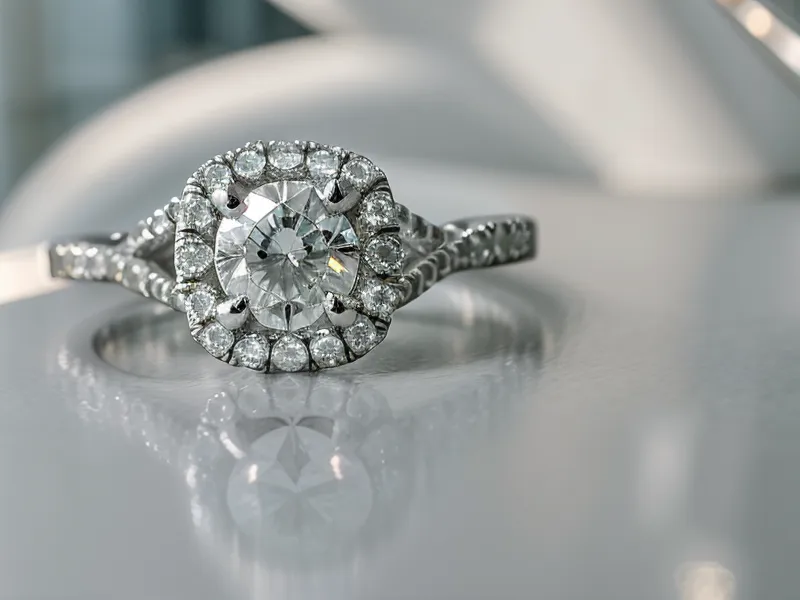
One thing that doesn't get mentioned enough: a hidden halo changes how the outline of the center stone reads, and that plays out differently depending on the cut. Round and cushion stones pick up the extra visual weight underneath without looking busy. Elongated shapes — ovals, emerald cuts — can end up looking bottom-heavy if the halo isn't sized down to match, which is worth checking in person before you fall for a photo online.
Where the Mall Chain Markup Actually Hides
Ask why a hidden halo costs what it costs at a mall counter and you'll get a vague answer about craftsmanship. Kay Jewelers runs more than a thousand stores, which means you're paying for the lease, the staff, and the champagne cart, not just the labor on your ring. I went through this in more detail in my Kay Jewelers engagement ring review — short version, the markup for that convenience is real, and it's baked into the tag before you even negotiate.
Financing plans are where that markup compounds. A lot of the in-store math only pencils out if you're comparing sticker price to sticker price, not what you'd actually pay once a payment plan and a service contract get stacked on top.
None of that changes what the stone itself is doing. The 2.417 refractive index that makes a diamond bend light the way it does is identical whether you bought it under mall fluorescents or from a direct-to-consumer site. What you're paying extra for at the mall is the room, not the rock.
Can You Wear One in Nitrile Gloves All Day?
This is the question I get from nurses, from a friend in a lab, from anyone whose hands are in gloves eight or ten hours a day. Standard hidden halo settings leave small crevices where the pavé stones sit, and those crevices catch on nitrile the same way a hangnail catches on a sweater. A friend of mine tore through gloves mid-shift more than once before she figured out it was the ring doing it, not the gloves.
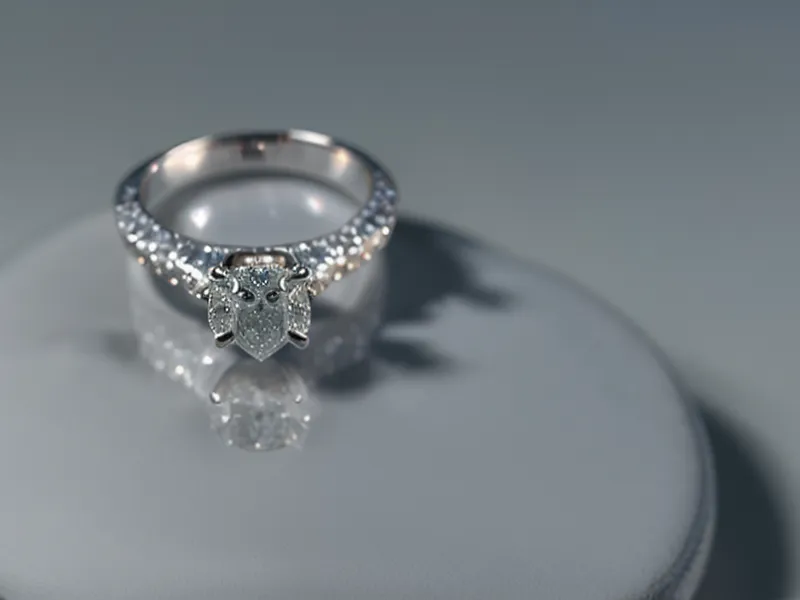
The fix isn't avoiding a hidden halo altogether, it's checking how flush the setting sits before you buy. GOODSTONE tends to finish that under-profile smoother than what shows up at a mall counter, which matters more than the stone itself if you're scrubbing in every day. I broke down the glove-snagging mechanics further in choosing an engagement ring setting based on lifestyle, if that's the deciding factor for you.
Lab-Grown Stones Change the Math
Lab-grown diamonds are a 10 on the Mohs scale, same as mined — chemically and physically the same stone, grown instead of pulled out of the ground. That distinction matters for a hidden halo specifically, because the design leans on volume: more small stones packed under the girdle, which gets expensive fast on a mined budget and considerably less expensive on a lab-grown one.
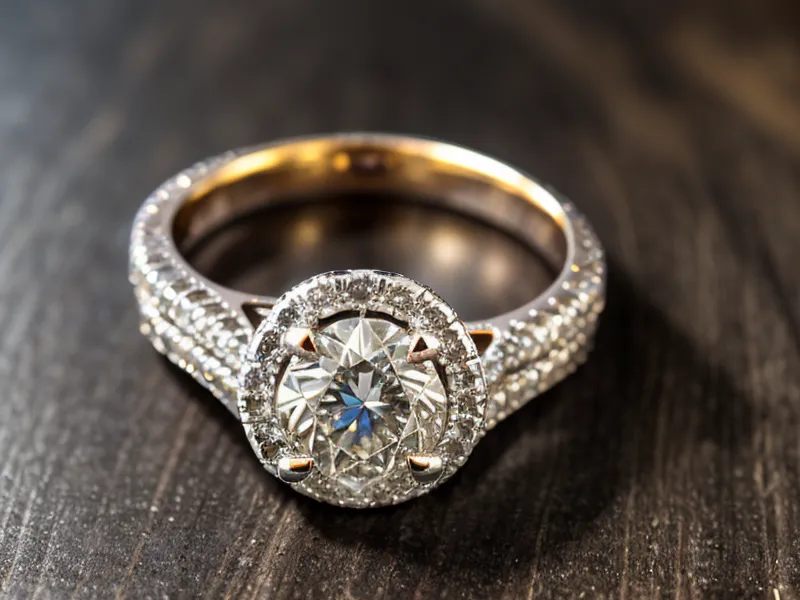
The trade-off isn't really about how the stone looks under a loupe, it's resale expectations and how comfortable you are with a stone that's chemically identical but priced differently down the line. Moissanite comes up in these conversations too, usually from someone trying to stretch a budget even further, though it's optically a different mineral, not a diamond substitute in the strict sense.
Specialists like GOODSTONE put the savings from the center stone toward the metalwork instead of the name on the box, which is exactly where a hidden halo needs the labor to go. If you're stuck between two lab-grown-focused sites, I laid out the differences in choosing between Theo Grace and Goodstone.
The Warranty Question Worth Asking First
A neighbor a few doors down — Otis Burroughs, who tracked me down after recognizing my building in a photo I'd posted about a jeweler visit — always starts with the warranty, not the stone. What's covered, what voids it, whether a missed inspection appointment resets the clock. It's not a bad instinct. Most lifetime warranties on a hidden halo are more fragile than on a plain solitaire, simply because there are more small stones that can work loose.
Store warranties and an actual insurance policy aren't the same protection, either. One covers manufacturer defects, the other covers you losing the ring off a dock or a prong giving out five years from now, and conflating the two is an easy way to end up underinsured.
Some jewelers will also talk trade-in credit toward a future upgrade, which sounds generous until you read the terms on what stone grade actually qualifies. And if none of the ready-made hidden halo settings fit what you want, a custom build is its own conversation, with its own timeline, separate from anything sitting in a display case.
Why Don't Two GIA-Graded Stones Cost the Same?
Early on, I assumed two GIA-graded stones at the same clarity grade would land at roughly the same price. They didn't, not even close, and figuring out why took longer than it should have. Cut quality, fluorescence, and the actual shape of the inclusions inside that same clarity band all move the number, and none of it shows up if you're only comparing the grade printed at the top of the report.
Learning to actually read a GIA report line by line, not just skim for the grade, is its own skill, and one most first-time buyers never get walked through at the counter. I've stood with both forearms braced against a display case at a jeweler off Shem Creek, glass cool under my arms, while a salesperson pointed at the grade and skipped everything else on the page.
The four categories on that report interact with each other more than most shopping guides let on — a diamond's overall look isn't just one number in isolation. And if the stone is lab-grown and graded by IGI instead of GIA, it's worth knowing the two labs don't grade with identical strictness, which is part of why two diamonds with matching paperwork can still look different side by side.
Return Policies Are Where the Real Leverage Sits
Reading the return policy out loud, before we'd even picked a stone, turned out to be the most useful thing I've done in any showroom. A salesperson mid-pitch went quiet for a second, then walked back the "no returns after 30 days" line he'd glossed over earlier. That pause told me more than anything else he said that afternoon.
My neighbor Keturah keeps a running list of stores she won't set foot in again, and most of them earned the spot over a return policy, not a bad stone. A generous return window is leverage — it means you can take a ring home, see it under your own kitchen light instead of case lighting, and still back out clean if something feels off.
Buying Online Versus Walking Into a Showroom
Buying online skips the showroom pressure entirely, but it also means no one's handing you a loupe or letting you compare two settings side by side under the same light. That trade-off is worth being honest with yourself about before you commit to a screen-only purchase. Figuring out ring size without tipping anyone off is a whole separate headache, and one most online retailers handle worse than an in-person fitting.
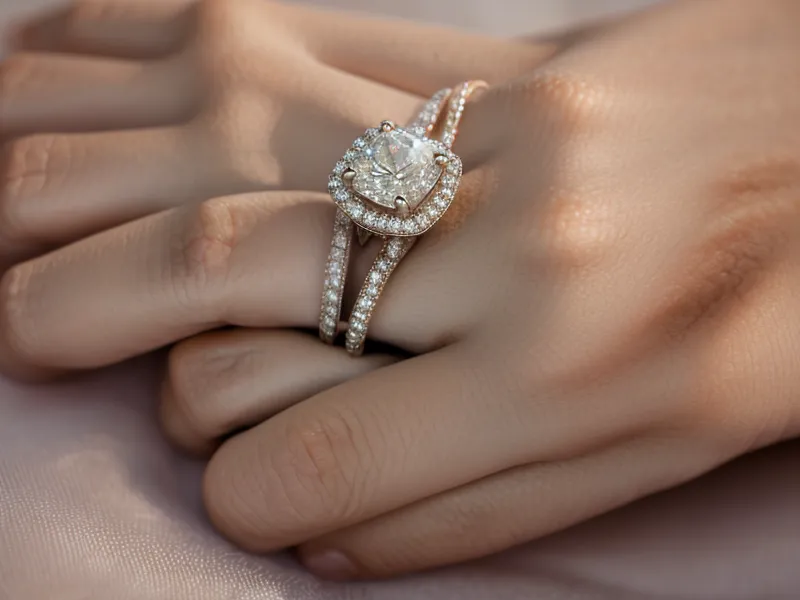
If you're past the Pinterest board stage and want to look at actual specs instead of a filtered photo, the hidden halo collection at GOODSTONE is where I'd point a friend first — not because it's flawless, but because the profile work holds up next to everything else I've checked, gloves and all.