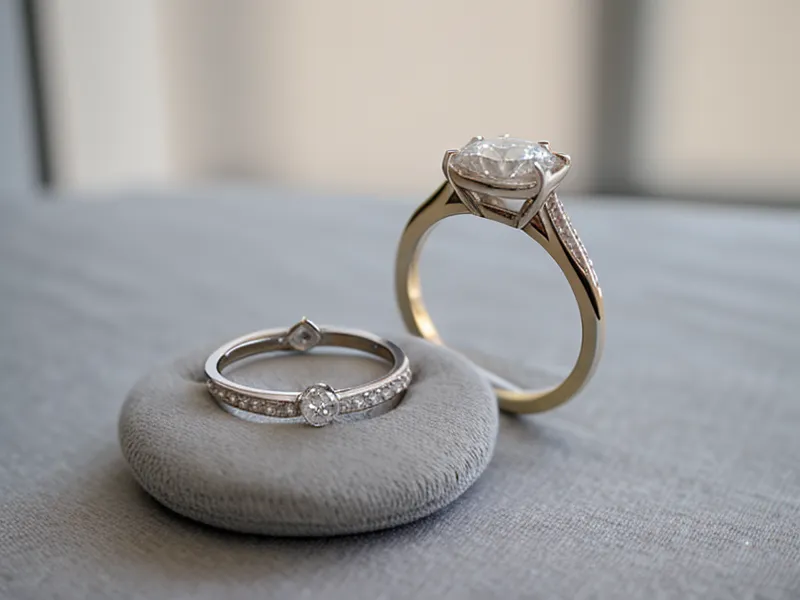
A diamond's price tag and its resale value are two completely different numbers — and "it's an investment" is the line a salesperson reaches for the moment they think you might notice the gap between them, somewhere early in almost every round of engagement ring shopping.
Quick disclosure before the rest of this jewelry store review: some of the links here, including the one to Kay Jewelers, are affiliate links, and I earn a small commission if you buy through them. That doesn't change what I actually saw on the showroom floor. I'm not a gemologist, not certified in anything diamond-related, just the friend who keeps ending up at these appointments and asks the questions everyone else is too polite to ask.
Somewhere around my own third store, back when engagement ring shopping was still new to me and not yet a side hobby, I caught the pattern. Standing at the Marion Square Farmers Market afterward, still in line for kettle corn and running through the day's notes with a friend, it hit me that three different salespeople at three different stores had used the exact same phrase, word for word. Not similar. Identical. That's not investment advice. That's a script somebody in corporate training wrote.
I'd tried getting an unbiased read before that, asking a friend-of-a-friend who supposedly worked in fine jewelry for her honest take. Turned out her actual job was selling it, on commission, and her advice mapped suspiciously well onto her employer's floor plan. (I'm also the friend who shows up to these appointments with an actual notebook, which nobody has ever found normal.) Nobody fully inside the industry is a neutral party, including well-meaning acquaintances.
The Line Every Jewelry Salesperson Uses
Here's the actual rule: a diamond is not a liquid asset, and treating the purchase like one is how people end up justifying a bigger stone than they can comfortably afford. Resale on a retail diamond typically comes in at a fraction of what you paid, regardless of which store's name is on the receipt, because you're not just paying for the stone. You're paying for the halogens, the staff, and the real estate a mall chain needs to keep its doors open.
None of that means Kay is a bad choice. Plain diamond buying tips like "read the return window" and "bring your own loupe" apply whether you're standing under mall lighting or clicking through an online catalog at midnight. It just means the "investment" line is marketing, not math, and it's worth filing away the second you hear it.
Is Kay's Showroom Floor Actually Different From Other Mall Jewelers?
My friend who does improv most nights at Theatre 99 downtown came along for both visits, mostly for moral support and partly because she's impossible to fluster, which came in handy under the counter lighting. Neither of us walked in blind. We'd both sat through enough of these pitches by then to clock the script within the first five minutes.
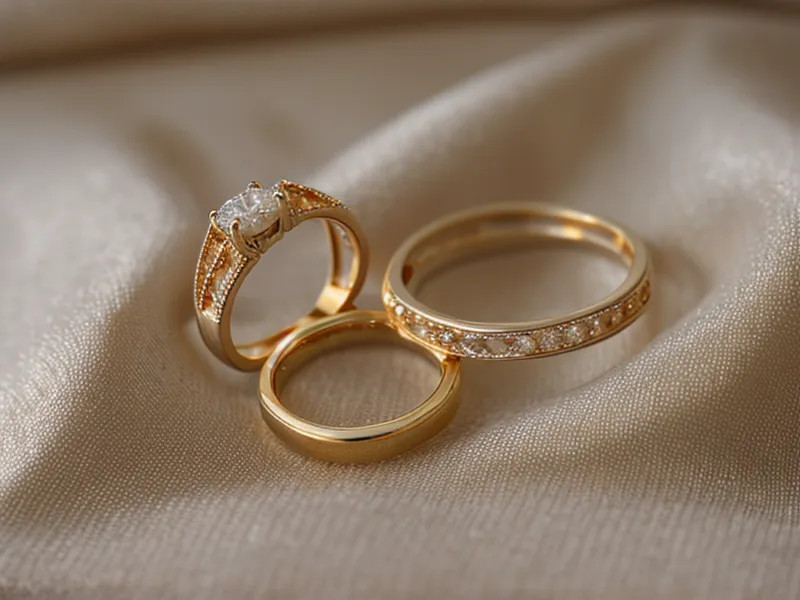
The store's magnifying lamp was smudged past usefulness that first visit, which meant most of what I could check came down to squinting and trusting the salesperson's word. The Four Cs — cut, color, clarity, carat — are the shorthand every jeweler leans on, set by standards bodies like the GIA, and actually reading a grading report line by line is its own skill I won't pretend to teach in a store review. If you're weighing a similar mall trip somewhere else first, is Zales a good place to buy engagement rings for beginners covers a near-identical experience one chain over.
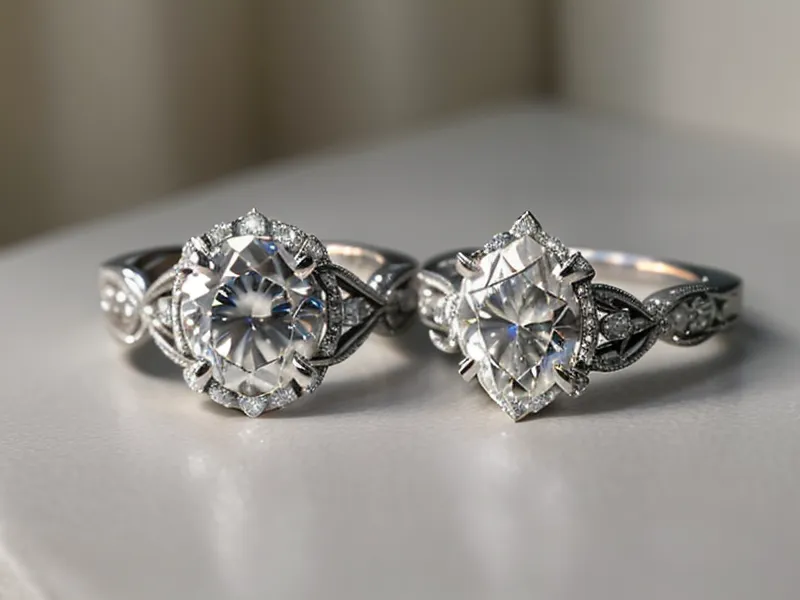
We skipped Piercing Pagoda's kiosk counter entirely. Great for a quick chain replacement, not the place to inspect a stone under magnification, and we both knew it walking past. What actually told me more than any lamp did was simpler: slide a band onto your finger, give it a minute, and it picks up a faint warmth off your skin that metal just does. No bulb required to fake that part.
Where the Second Visit Changed My Read on Lab-Grown
Kay carries lab-grown stones, though the floor staff still frame mined diamonds as holding some kind of inherent worth lab-grown doesn't, an argument I've now heard from enough different showrooms to stop taking at face value. Whether lab-grown or natural is actually the smarter buy long-term is a bigger question than one store visit can settle.
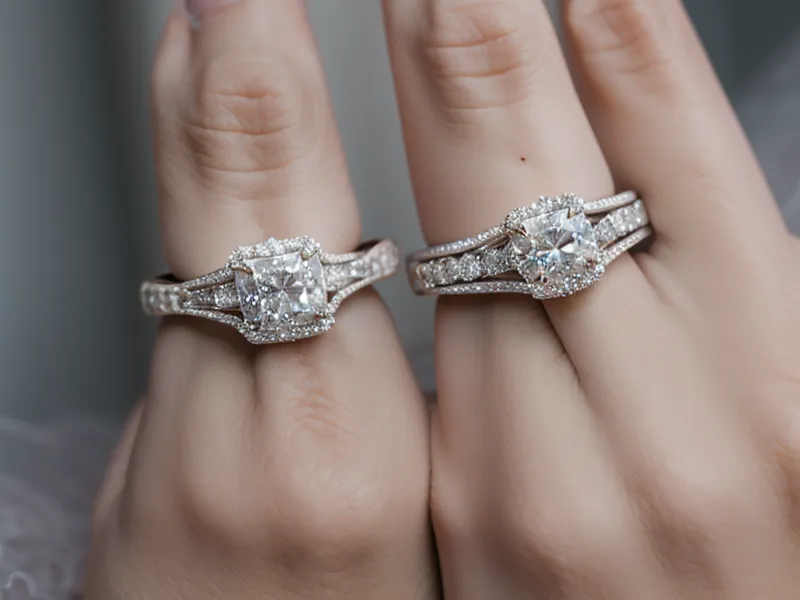
Grading felt looser on some of the lower-tier stones than what a paying customer might expect, and if you're comparing certifications closely, IGI vs GIA Lab Grown Diamond Certification Differences is worth understanding before you trust any lab name on a report. Set a Kay mined solitaire next to what a specialist like GOODSTONE offers at a similar carat weight, and the price gap runs a couple thousand dollars, easy. Nobody at either counter brought up moissanite as an alternative, which says plenty about what a mall floor is actually built to sell. Fancy shapes like oval barely came up either, since my friend had already settled on a round cut, so proportion questions for those shapes are a conversation for another day. Custom builds weren't on the table at all — Kay is a ready-made-and-resize operation, not a from-scratch shop.
The Financing Pitch, and Why the Mall Markup Is Real
The credit card pitch showed up on both visits, framed as "protecting your cash flow" rather than what it actually is: interest stacked on top of an item that's already marked up for rent and staffing. What that financing actually costs over the life of the plan is its own conversation, and it's worth running the math before signing anything at the counter.
Jared sits under the same parent company as Kay but courts a slightly higher-end shopper, and how much of Kay's markup comes down to being a mall chain at all versus being this specific mall chain is a comparison worth its own space somewhere else. Anyone set on lab-grown and ready to shop around properly should start with comparing online lab grown diamond stores, where pricing tends to run more transparent than anything on a mall floor. Even a boutique like Theo Grace felt more curated than the rows of traditional gold settings at Kay, even with a smaller catalog to pick from. What I'd seen days earlier in a GOODSTONE engagement ring review made the accent stones in Kay's pavé setting look noticeably less crisp under a loupe. Mall chains often use lower-grade melee to hold the total price down, betting nobody checks.
Read the Return Window Before You Read the Warranty
Return policy is where most shoppers stop paying attention, right when they should be paying the most. Kay's 30-day window is standard for a mall chain, but there's more leverage in how you actually use a return policy than most people realize, and treating that 30-day mark like a hard deadline on an apartment lease, not a soft suggestion, is the difference between getting your money back and eating a restocking headache.
Insurance never came up at either counter, worth noting given the size of the purchase. Kay's upgrade program, like most trade-in offers, credits you off your original receipt rather than what the stone would actually appraise for today, which matters if you're picturing a bigger stone somewhere down the line. Figuring out your ring size without tipping off a partner is its own logistical puzzle, and it has nothing to do with which store you eventually pick. Same with the setting: choosing one that actually fits how you live day to day is a separate decision from choosing the stone, worth its own research before you're standing at a counter under pressure. Whether you're better off buying online or walking into a store in the first place is a bigger debate than this piece can settle. This is just what the in-store Kay experience actually looks like.
So, Is Kay Jewelers Actually Worth It?
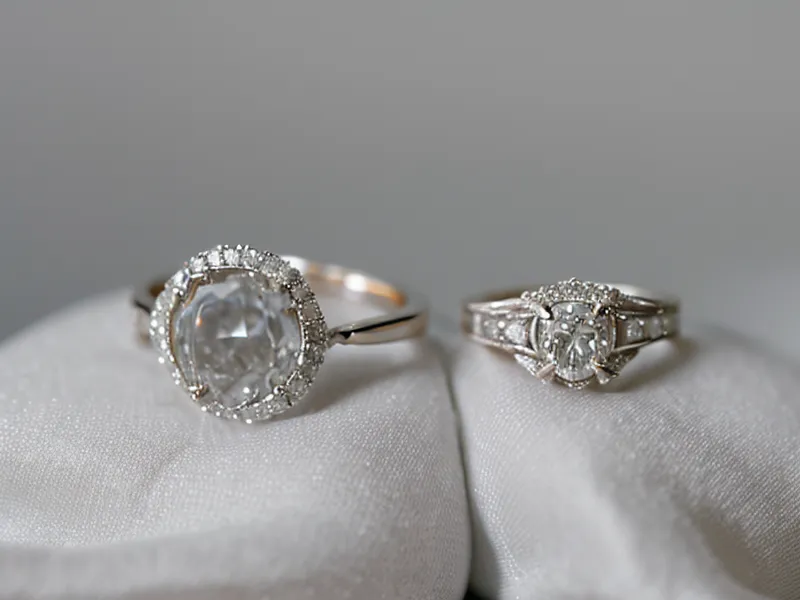
So here's where the two visits actually land: if you need to touch the ring, try it on, and know a physical store exists in nearly any city for a repair or a resize, Kay Jewelers is a legitimate, safe pick, especially under that $3,000 mark, and especially if shipping a ring back and forth for sizing sounds like a nightmare.
Real resale value, insurance, and a salesperson's "investment" pitch are three completely different things, and mixing them up is how people end up overpaying for the story instead of the stone. Chase the best specs for the money and GOODSTONE or another online specialist will beat a mall floor most days. Chase convenience and a physical counter to walk into, and Kay earns that swipe fairly. Just don't let anyone at that counter tell you the diamond itself is the investment (my track record on financial advice is better than my track record on karaoke song picks, for what it's worth, and even I know better than that one).
Kay Jewelers
Pros
- ▸ Largest US chain with 1,000+ stores for easy in-person service
- ▸ Reliable 30-day return policy and lifetime warranty options
- ▸ Massive catalog with many engagement options under $3,000
Cons
- ○ Showroom lighting is designed to mask stone inclusions
- ○ Significant 'mall markup' compared to online wholesalers