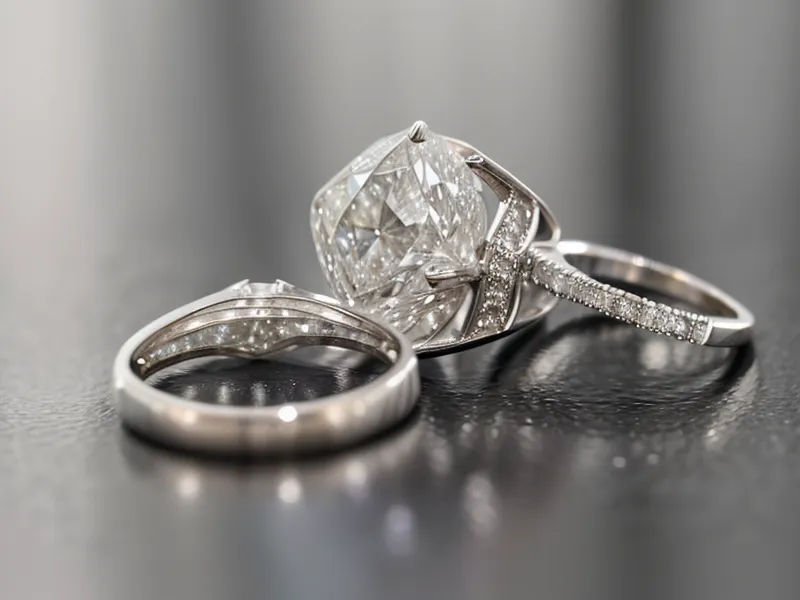
Eleven grades separate Flawless from I3 on the GIA clarity scale, and in the lab-grown diamond world, the one most engagement ring shoppers are landing in now, exactly one of those gaps is worth what people actually pay for it. The rest is mostly a very convincing story printed on a certificate.
My neighbor Otis Burroughs found me the way half the people on the block do now — he'd seen a jeweler review I'd posted and recognized the building in one of the photos, then walked over one evening to ask a question that turned into an hour. He'd been saving toward a ring for his girlfriend for a long while, and he'd found two SI1 stones from two different sellers, same clarity grade on paper, priced noticeably apart. He figured a matching grade meant a matching price and assumed one seller was just padding the number. That assumption was wrong, and it's close to the same one I made the first time I went looking. I texted him a photo of one seller's full price breakdown, then walked him through every line of it on the phone that night, because texting back and forth about something that mattered to him wasn't going to cut it. Otis calls for anything that counts.
That gap between what a report says and what a ring actually looks like is the whole subject here — where clarity stops mattering for an engagement ring and where it still does, grade by grade, so what you spend lines up with a difference someone can actually see.
What the GIA Clarity Scale Actually Measures
The GIA scale runs eleven grades from Flawless down to Included 3, and every grade below the top exists because of inclusions — small internal marks left over from how the stone formed. Diamond clarity grading was built around a loupe and a trained eye, and it ranks a stone against a scale of rarity, not against how it looks on a hand across a table. Reading an actual GIA report end to end, not just skimming down to the grade, is a skill of its own, separate from deciding what grade to buy in the first place. So is deciding whether lab-grown is even the right call over a natural stone — I'm assuming here you've already landed on lab-grown and just need the clarity question answered. Cut, color, clarity and carat get taught together as a package deal, and each one deserves its own explanation somewhere; this piece only tackles the third.
Where Does Eye-Clean Actually Start?
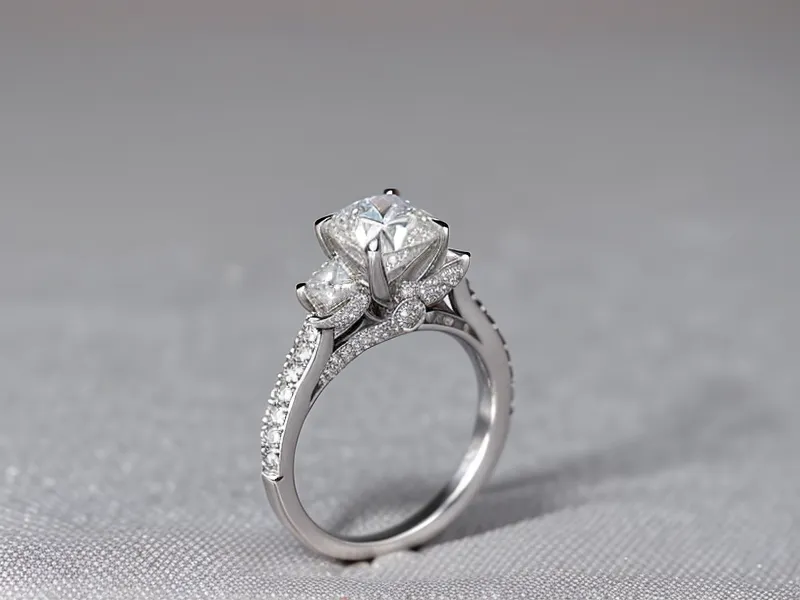
Eye-clean has an actual definition, and it isn't tied to a magnification number. The benchmark is whether an inclusion shows up from six to twelve inches away in normal light — not under a loupe, and not under lighting angled to flatter the higher-priced stone sitting next to it. A mall salesperson handing you 10x magnification isn't showing you reality; a ring never gets held four inches from anyone's face at that kind of zoom, not once in fifty years of wear. In the lab-grown market, SI1 and VS2 stones clear that six-to-twelve-inch test constantly, which is the part nobody behind the counter volunteers. Fancy shapes complicate things a little — an oval or a marquise can expose an inclusion near the tip that a round cut would hide, and getting the proportions right on a shape like that is its own puzzle worth solving separately. Push past VVS2 on a lab-grown stone and you're mostly paying to satisfy equipment, not eyes.
Why Lab-Grown Inclusions Read Differently
Lab-grown stones form in a controlled chamber instead of a couple billion years underground, and that changes what shows up inside them. A natural SI1 might carry a dark, obvious carbon spot dead center. A lab-grown SI1 is more likely to carry a faint trace of metallic flux, tucked somewhere you'd need to know exactly where to look to find. Grading strictness isn't identical across labs, either — IGI and GIA don't always land on the same letter for a comparable stone, which matters more than most buyers realize when they're weighing two listings side by side. None of that touches sourcing language some sellers lean on — "sustainable" or "conflict-free" claims are worth checking against what a seller can actually document, not just what's printed on the product page. Treat a clarity certificate the way you'd treat a CARFAX on a used car: a scratch on the undercarriage doesn't change your offer, a bent frame does. An invisible inclusion is the scratch. Pay for the frame.
Cut Beats Clarity, Almost Every Time
A well-cut SI1 will beat a poorly cut VVS1 in almost every setting you'd actually wear it in, because light return comes from proportions and polish, not from a clarity letter. My neighbor Keturah came along once to look at a finished ring in person, and while I was busy checking the stone itself, she was the one who noticed the report was printed on cheap stock with a blurry plot diagram — she catches packaging and presentation details I usually skip right past. Lifting the ring off the velvet display cushion, I felt the fabric grab briefly at the setting before it let go, the kind of small thing that tells you a stone was staged rather than just displayed.
We'd found an SI1 once where the tiny inclusion sat directly under the bezel of the setting, invisible the moment the ring was finished. Walking home through Avondale afterward, holding the ring up again in the afternoon light, neither of us could find the spot we'd just been hunting for under a loupe indoors. The money that would've gone toward a VVS1 upgrade went into a better cut instead, which is the actual trade worth making. I went into more of this in my engagement ring deep dive, including a couple of mistakes I nearly made before I learned to ask about cut first.
Vet the Seller Before You Vet the Stone
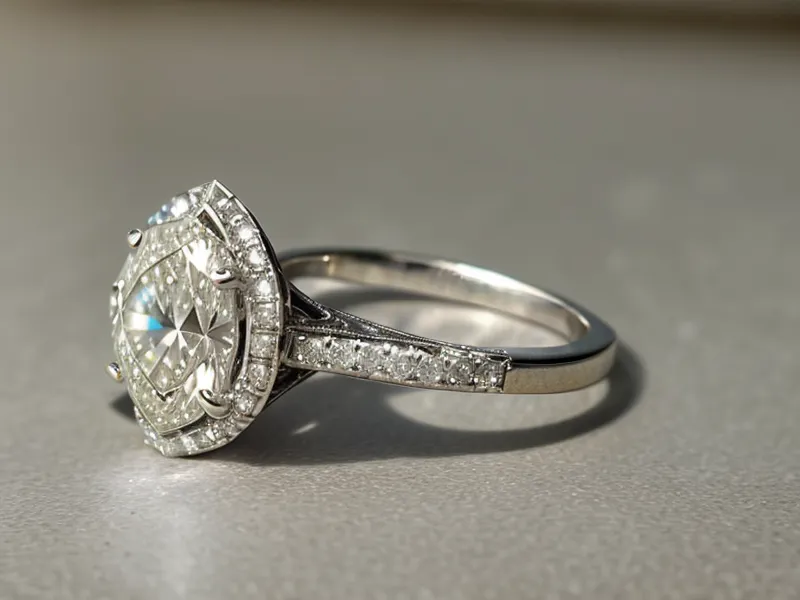
The clarity grade barely matters if the seller won't stand behind it. When something seems priced too well for the grade on paper, I ask the same questions I'd ask leasing an apartment or buying a used car: what's the return window, and what actually happens if I want to walk. A thirty-day, no-questions return policy tells you a seller is confident enough to let you look at the stone under any light you want, at home, without pressure — that's leverage worth using before you buy, not after something feels off.
Mall chains build markup into the sticker price partly to fund the showroom and the salesperson's commission, and an online-only specialist skips most of that overhead, which is part of why the same clarity grade can cost meaningfully less depending on the channel. The sellers I actually trust put the full Gemological Institute of America or IGI report right on the product page instead of making you email someone for it. A lifetime warranty sounds generous until you read what it requires — most demand a paid inspection on a set schedule, and skipping one appointment can void the whole thing, which is worth knowing before you count on it. If you want the long version of why I walked away from the big-box counters entirely, my notes on GOODSTONE vs. the mall chains cover that comparison in full.
The Decisions This Article Skips
Clarity is one decision out of a dozen, and it's worth being honest about the ones this piece leaves alone. Financing terms change the real cost of a ring more than a clarity grade ever will, and so does whatever a store's insurance add-on actually covers versus a standalone policy. Trading a stone in later for a bigger one comes with upgrade terms that vary by retailer, and picking a setting that fits how someone actually lives — someone who works with their hands all day needs a different setting than someone who doesn't — matters more for day-to-day happiness than a letter grade ever will.
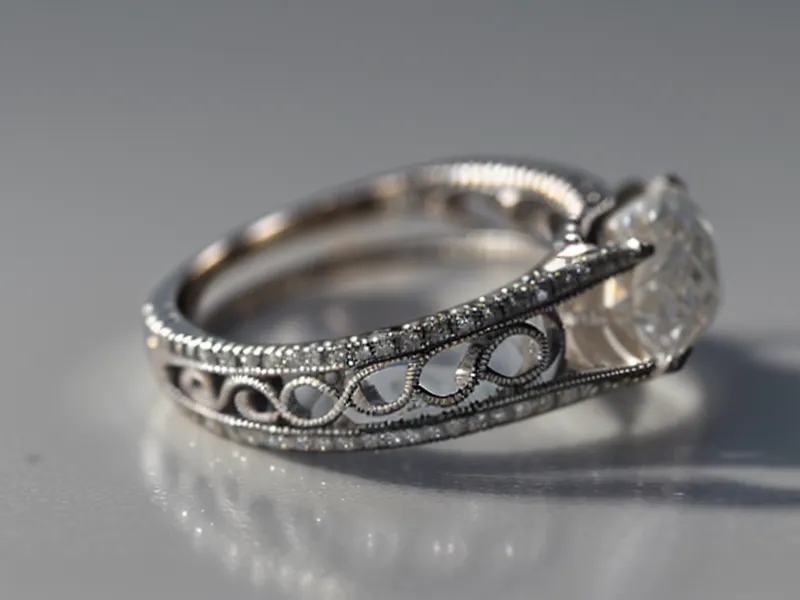
Moissanite is worth a look if lab-grown still feels like more stone than the budget needs, and a custom build runs on a different timeline and a different set of trade-offs than buying something already finished in a case. None of that belongs in a piece about clarity, and neither does sizing a ring quietly before a proposal, which is its own skill entirely. Even the metal holding the stone carries its own durability and tarnish questions that have nothing to do with what's happening inside the diamond.
The actual rule is simple enough to use in a showroom or on a laptop at midnight: hold the stone six to twelve inches away in normal light, and if the inclusion doesn't show up without hunting for it, stop climbing the clarity scale right there. Put whatever the next grade up would have cost into the cut instead, or the setting, or whatever the two of you are doing to celebrate once the ring is on the finger. A GIA or IGI report is a data point, not a verdict — the only opinion that has to agree with it belongs to whoever's actually going to wear the ring.