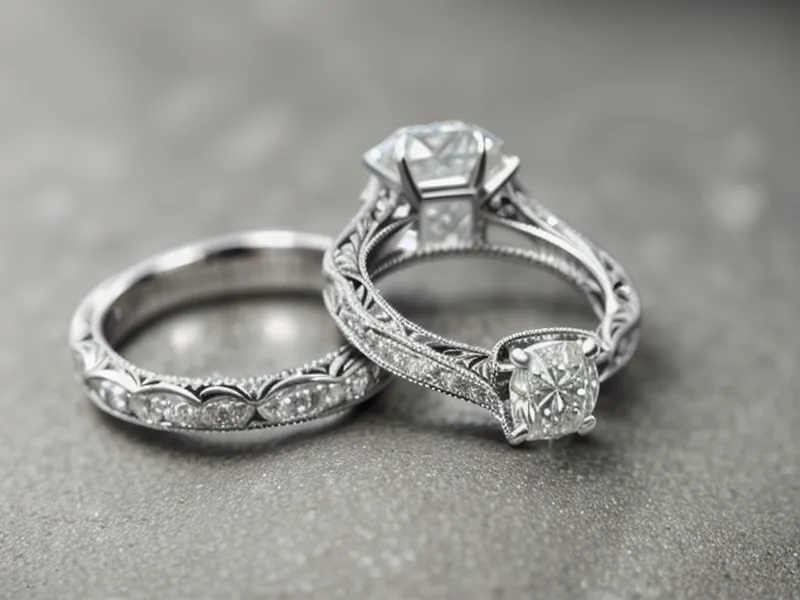
A diamond under a jewelry case's spotlights and that same diamond three feet from a window are, on paper, identical stones. In person they can look like two different rings entirely, and almost nobody walking into engagement ring shopping for the first time knows to ask for the second look.
Quick disclosure before anything else: some of the store links below are affiliate links, and if you click through and buy, I earn a small commission at no cost to you. I only link to places I've actually sat across a counter from or ordered from myself. There's a longer transparency page if you want the boring version.
The Window Test That Almost Cost Me a Bad Diamond
Most of my early visits went to the big names — Kay Jewelers first, then Zales a few days later, because those are the names everyone already knows. Walking into either one under the overhead spotlights felt like judging a used car under a streetlamp: everything looked flawless. I nearly signed off on a stone at Zales for exactly that reason, judging it under the case lighting instead of asking to carry it toward the window.
Then I actually asked. The salesperson set two stones side by side near the glass door, and one of them read noticeably warmer than the other the second daylight hit it; same paperwork, different diamond in practice. Reading the certificate itself is a separate skill from judging a stone in person, and most people can't make sense of a clarity plot without someone walking them through it once, myself included. Mall chains get flack for markups, and some of that is fair, but the lighting trick isn't unique to any one chain. It's just standard retail.
Lab-Grown or Mined: What You're Actually Trading Off
I used to think lab-grown meant fake, the same way some people assume a lab-grown stone is basically moissanite wearing a nicer label (it isn't — moissanite is a different mineral entirely, and that comparison deserves its own conversation). Then I looked at the actual chemistry. Mined or lab-grown, a diamond sits at a Mohs scale hardness of 10, full stop. I compared specs at GOODSTONE against mined options at Jared, and a carat weighs exactly 200 milligrams no matter which one it came from.
Where it gets more complicated is everything downstream of the stone — resale, and certificate strictness between grading labs, where an IGI report and a GIA report on paper-identical stones can read differently, which is its own rabbit hole. I'm not going to pretend I fully worked out that cost trade-off during my own search; I mostly decided cut and clarity mattered more to me than the myth of a diamond as an asset. If you want the places I'd actually point a friend toward for lab-grown, my lab-grown diamond shortlist has the short version.
Resale Value Is a Myth Worth Ignoring
My partner and I got into an actual argument about resale value once, walking a stretch of beach on Sullivan's Island, because I was fixated on the idea that a boutique jeweler like Theo Grace wouldn't hold value the way a bigger name would. I was treating an engagement ring like a 1031 exchange instead of a thing I planned to wear every day for decades.
Rings depreciate like a car off the lot, full stop. Unless you're buying a museum-grade stone, resale is a line jewelers use to justify a higher price tag on a recognizable name, not a real financial argument. Once I dropped that framing, I started judging rings the way I'd judge an apartment lease renewal — on what the thing is actually worth to me day to day, not on some resale number I'd probably never test anyway.
Custom Setting or Pre-Set: Which Fits How You Actually Live?
Custom versus pre-set is really a patience question dressed up as a design question. Jared can get you out the door with a ring the same afternoon, while a boutique route like Theo Grace means waiting longer for a setting built around your actual stone. I wrote up the fuller version of that decision in my Theo Grace review, so I won't repeat all of it here.
What matters more day to day is whether the setting fits how you actually live (prongs that snag on gym bags, a low profile if you type all day, that kind of thing) and that's a separate conversation from the stone shape itself. Valentina, a coworker's girlfriend who found me after my ring comparison notes made the rounds at the office, has changed her mind on metal color three times since we started talking, and every time it's really a setting-and-lifestyle question wearing a metal-color costume. If you're set on an oval or another fancy shape, the cut proportions matter more than the carat number on the tag, but that's its own deep end I won't wade into here.
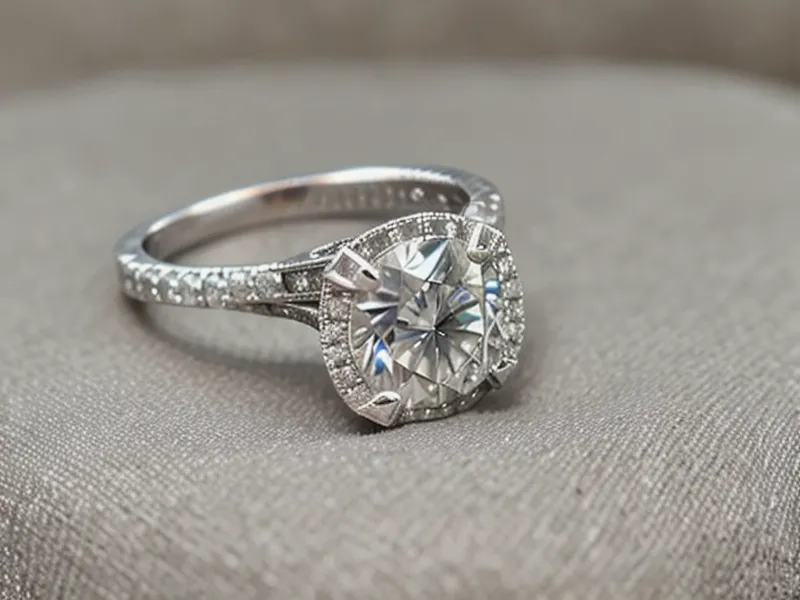
The Fine Print at the Counter
By the time I got to paperwork, I was ready to sign whatever was put in front of me, so I forced myself to read the return policy out loud instead (yes, I'm that friend at brunch). Some "lifetime" warranties only stay active if you bring the ring back for inspection on a schedule most people forget the moment they leave the store — worth confirming before you rely on it, alongside checking how the resizing process actually works if your size might change later.
Gold purity is the other line people skip past. Higher-purity gold reads richer in color but dents easier; lower-purity gold holds up better against a rougher day-to-day. Which one matters depends on what your hands actually do, not which number sounds fancier. None of this is exciting, and a return policy with real teeth is worth more leverage than most people ever use it for.
Financing, Insurance, and Sizing
Financing comes up in almost every conversation, and the honest answer is that in-store financing plans are rarely the cheapest way to pay for a ring. They're a convenience the store profits from, so read the terms before you assume it's a favor. Insurance is a smaller decision than people make it out to be: get coverage before the ring leaves your hands, not after something happens to it, and shop the policy the same way you'd shop the ring itself.
Sizing is the question that comes in at odd hours, usually from someone trying to figure out a partner's ring size without tipping them off. There are ways to get a workable estimate without a jeweler in the room, and it's less complicated than people expect, but it's also its own whole conversation I won't try to compress into a paragraph here.
Where Online Buying Falls Short
Online direct-to-consumer pricing skips a lot of the markup a physical showroom carries, but you lose the chance to see a stone in person before you commit, and for a purchase this size that trade-off isn't small. Trade-in programs, where a store lets you put a ring's value toward a bigger stone later, sound generous until you read the fine print on what "value" actually means in that math. Ethical sourcing claims are everywhere on jewelry sites now, and most of them are worth a second look rather than taking at face value — that's a whole verification process on its own.
None of this replaces walking into a store and asking to see a stone by a window, but it narrows down which stores are worth that trip. Between the two names I keep coming back to for very different reasons — Kay Jewelers for the sheer size of the in-person selection, GOODSTONE for the lab-grown pricing — the ranking below is close to where I landed, built off the same diamond buying notes that go into every jewelry review I write.
| Product | Rating | |
|---|---|---|
| Kay Jewelers Editor's Pick | 8.5 | Read More → |
| GOODSTONE | 8.9 | Read More → |
| Theo Grace | 9.1 | Read More → |
| Jared | 8.4 | Read More → |
| Zales | 8.2 | Read More → |
Theo Grace
Pros
- ▸ Personalized boutique service that mall chains can't match
- ▸ High-end design aesthetic for modern minimalist styles
- ▸ Superior control over stone-to-setting proportions
Cons
- ○ Slightly longer wait times for custom approvals
- ○ Smaller catalog than the massive mall retailers