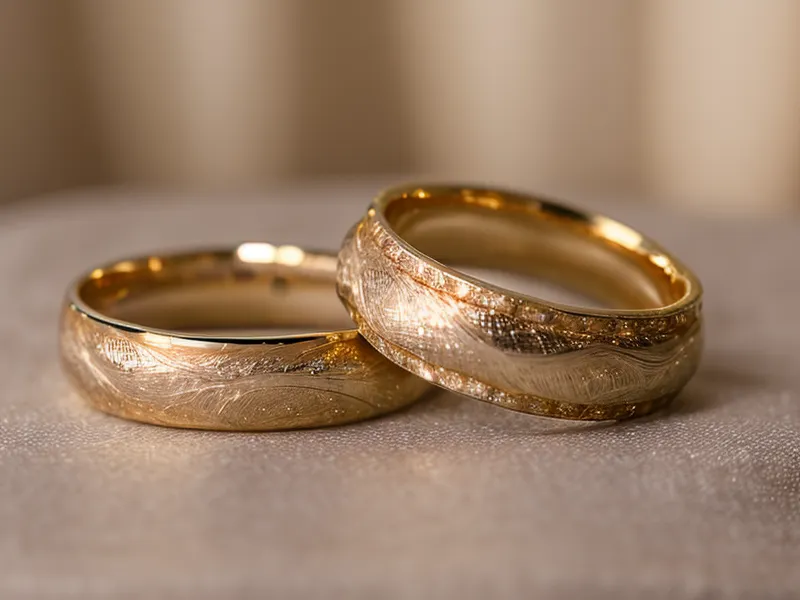
A rubber band wound around a ring band buys you maybe a week before it stretches out completely — nowhere near enough time to cover an actual ring resizing wait at a chain jeweler.
Emmeline had two of them doubled up under her engagement ring at the Marion Square Farmers Market, standing between a kettle corn stand and a table of hand-dyed scarves, waiting for me to say it was fine to keep wearing it that way. It wasn't. The ring ran a half-size big, and she was one enthusiastic hug away from watching a diamond disappear down a storm drain. Emmeline doesn't usually wait around for my read on anything — she's the one who tells me my spreadsheets are missing the point — but ring safety isn't a gut-feel question, so for once she wanted the paperwork answer instead.
Quick disclosure before we get into it: some of the links below are affiliate links, and if you click through and buy something, I earn a small commission at no extra cost to you. I only link to jewelers I've actually spent a Saturday morning researching or sitting across a service counter from — I'm the friend who reads the service agreement instead of ordering a mimosa.
How Kay Jewelers' Ring Resizing Process Actually Works
When Emmeline finally asked what to do, Kay Jewelers was the obvious first stop — she'd bought the ring there, and with more than a thousand stores nationwide, it's the path of least resistance if something goes wrong two states away later. That national footprint is real leverage if you move around or travel for work; a boutique down the street is wonderful until you relocate or the owner retires. But walking into a Kay showroom for a resize means walking into a service contract, not just a fitting, and the fine print matters more than the smiling greeting at the door. This is exactly the kind of detail that never makes it into the average engagement ring guide.
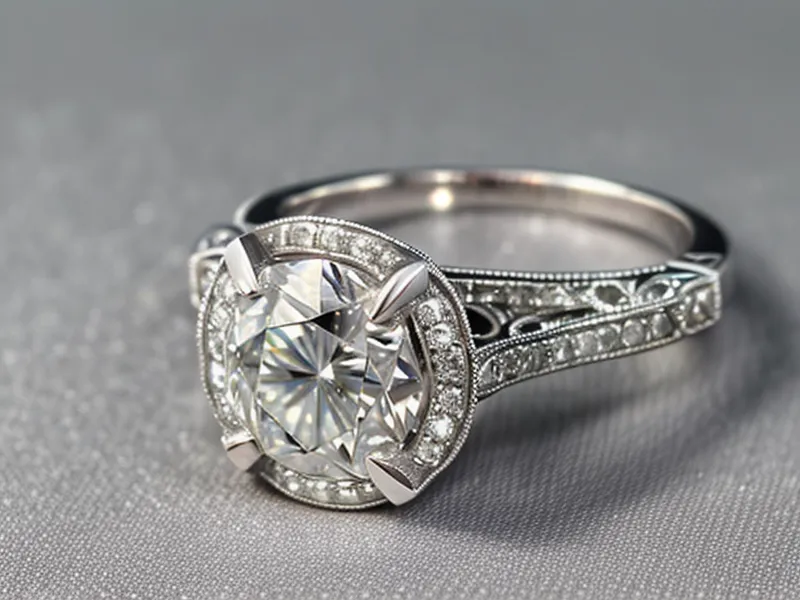
Most people assume a mall jeweler resizes the ring in the back while you wait. Almost never happens. The ring usually ships out to a regional service center, and you're looking at roughly a couple of weeks before you see it again — which feels brutal when you just got engaged and now you're handing the ring back over the counter. Before that happens, the salesperson runs an intake check: a look under a loupe for existing chips or loose prongs, mostly so the store isn't liable for damage it didn't cause. I tell every friend going through this to photograph the ring and the GIA or IGI report before it leaves their hands. Not because anyone's trying to scam you, but because "the condition it was in when you dropped it off" should never come down to memory. Reading a GIA report front to back is its own skill I won't get into here, but a timestamped photo of it takes thirty seconds and covers you either way. If you're earlier in the research phase than resizing, I've got separate notes on Is Zales a Good Place to Buy Engagement Rings for Beginners? that cover how the big chains stack up before you ever get to this stage.
Regional Service Center or Local Bench Jeweler: Who Should You Trust With the Cut?
Here's the actual trade-off, side by side. A chain like Kay sends your ring to a centralized service center — consistent process, tracked paperwork, a warranty that travels with you if you move. A local bench jeweler resizes it themselves, often within a day or two, and you're dealing with one person who remembers your ring instead of a ticket number in a queue. Neither is objectively right. It depends on what you're actually optimizing for.
One of the first things I got wrong in my own search: judging how a diamond looked under a case's built-in lighting instead of asking to carry it over to a window and look again in daylight. Every mall showroom I've walked into is lit to flatter the stones, Kay's included, so what looks flawless under glass isn't always what you're actually buying. By the third store, I'd heard a salesperson call the ring an "investment" three separate times, from three different people who'd clearly read the same training script. That's not a knock on any one chain. It's just worth knowing the script exists before you're standing in the middle of it. Chain markup versus what an independent jeweler charges for the same base metal and stone is a whole separate math problem I won't unpack here, but it's part of why some people skip the mall system entirely for anything beyond the initial purchase.
Two years after my own ring hunt, I'm still the person friends call before they walk into a showroom. At my desk, the one under the window stacked with binders of spec sheets from six different jewelers (my partner calls it the crime board), I keep one comparison stone on a velvet tray a jeweler once let me borrow. Lift it off the cushion and the velvet tugs back for a second before it lets go, a strange thing to notice about jewelry until you've handled enough of it. Yellow notes on the wall next to it are questions I still need answered; pink ones are anything that felt off walking out of a store. If you want a closer look at how the Kay experience compares to its sister brand, I wrote up Beyond the Big Blue Sign: My Notes from Walking the Jared Showroom — same parent company, entirely different service center vibe.
Valentina, a coworker's girlfriend who found me through an office Slack thread after word got around about my ring notes, didn't ask about wait time first — she asked whether a resized ring loses resale value. Fair question, and a different rabbit hole than this one, but the short version is that documentation matters more than most people assume if you ever trade a stone in later.
What Actually Happens When a Ring Gets Cut and Rejoined
Resizing sounds like a small tweak, but it's not subtle: the band gets cut open, a sliver of metal added or removed depending on which way you're moving, then rejoined and polished smooth. That's the unglamorous side of jewelry care nobody mentions in the proposal fantasy, and it's true no matter which jeweler does it — chain or independent.
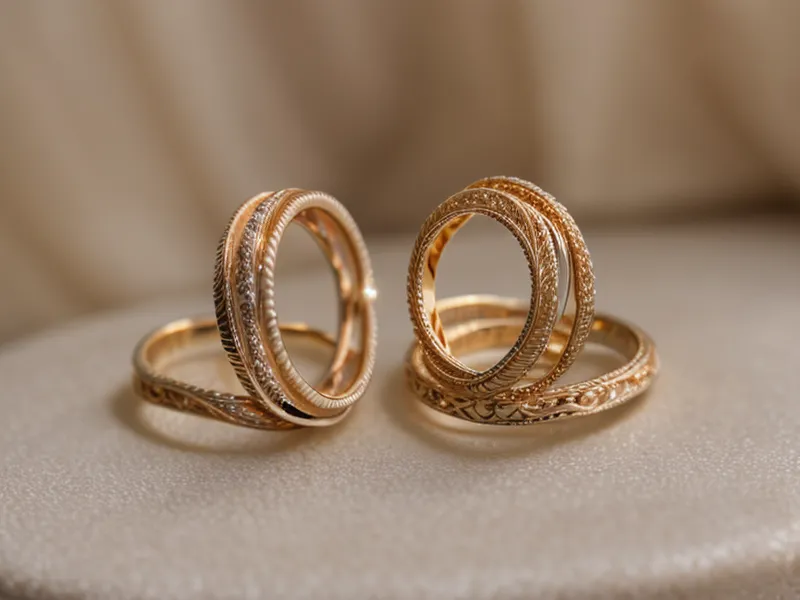
If your ring is a plain band, the risk is mostly cosmetic. If you've got pavé — the small diamonds set directly into the band — it's a different story. Reshaping metal around those tiny stones can shift the seats holding them in place, and a stone that felt snug at pickup can work loose weeks later without any obvious warning sign. The one habit worth adopting regardless of where you resize: ask directly whether they'll check stone tension on the pavé after the work is done, and get a yes before you leave the counter, not after you notice a gap where a stone used to be.
Standard Resizing or Sizing Beads: Which One Actually Fits Swelling Fingers?
Standard resizing assumes your finger is one fixed number, which is a bad assumption for plenty of people. A family member of mine deals with joint swelling — some mornings the ring won't get past the knuckle, by evening it's loose enough to spin. A standard resize can't fix that, because there isn't one size that's right at both ends of the day. The alternative worth asking about is sizing beads: small bumps added to the inside of the band that hold the ring snug against the base of the finger while still leaving room to clear a swollen knuckle. It's not for everyone — if your size genuinely doesn't change, a standard resize is simpler and easier to reverse later — but if swelling is part of your life, ask about beads before agreeing to a straightforward cut-and-weld.
If you're looking at options further outside the mall system entirely, GOODSTONE is one of the direct-to-consumer, lab-grown specialists I've spent time with for buyers who want more flexibility in how a ring gets built from the start. You're trading away a physical showroom to inspect anything in person, though — weighing an online catalog against an in-store try-on is worth doing before you buy, not just when something needs resizing later.
The Lifetime Guarantee's Six-Month Catch
The reason most people stick with Kay Jewelers for resizing instead of going local is the lifetime warranty. Here's the catch nobody explains clearly at checkout: keeping that guarantee active means bringing the ring back every six months for a professional inspection. Skip one, and if the ring needs a repair down the line, you might be paying out of pocket for something you assumed was covered.
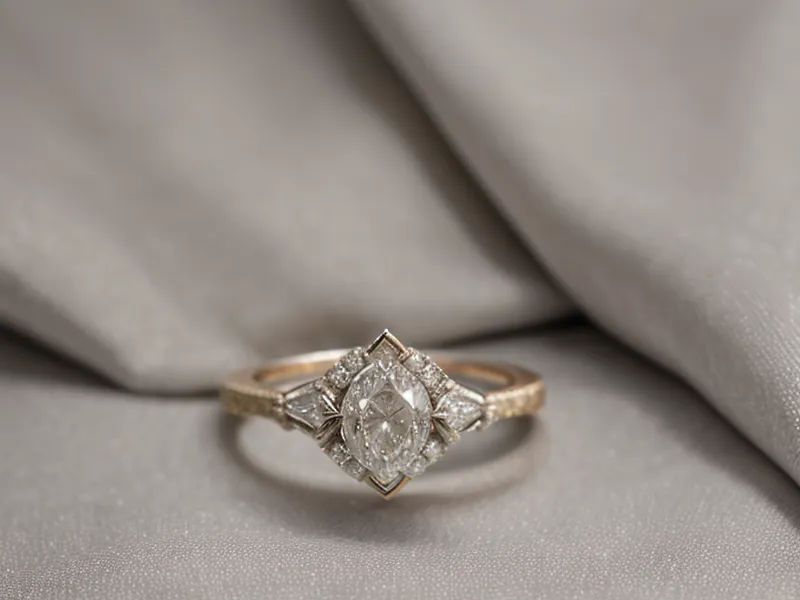
I think about this the same way I think about an apartment lease renewal. It's a recurring touchpoint dressed up as a courtesy. They want you back in the store looking at anniversary bands and new arrivals every six months, and that's smart retail, but it's also a chore you have to actually manage. Set a recurring calendar reminder the day you buy the ring, not the week before it's due. And read what the guarantee actually covers before assuming it covers everything. That's less about paranoia and more about knowing where your leverage sits if something goes wrong later. If a recurring six-month commitment sounds like more than you want to sign up for, a boutique route like Theo Grace skips that obligation entirely, though you're trading it for a smaller service network if you ever need a repair while traveling.
Pick Your Route Based on What You Actually Need
So here's where I land, side by side. Choose Kay's service-center process if you move often, travel a lot, or just want the security of walking into any mall in the country for a future repair. The national network is genuinely valuable, and the process works fine as long as you treat the guarantee like the contract it is, not a formality. Choose a local bench jeweler or a boutique route instead if turnaround speed matters more than nationwide coverage, if you don't want a recurring six-month obligation on your calendar, or if standard sizing doesn't work for your hands and you'd rather talk through options like sizing beads than default to a straightforward cut-and-weld.
Emmeline's ring came back a little over two weeks after she dropped it off. Snug, seam invisible, rubber band finally gone for good. She'd asked the questions I coached her through at the market — is this done in-house (no), what's the turnaround (about two weeks), will someone check the pavé tension after (yes) — and having those answers going in made the whole process feel less like a leap of faith. If you're still deciding whether the ring even makes sense to buy from Kay in the first place, financing is usually the bigger decision than resizing, and I broke that down separately here: Is Kay Jewelers Financing Worth It for Your Engagement Ring?