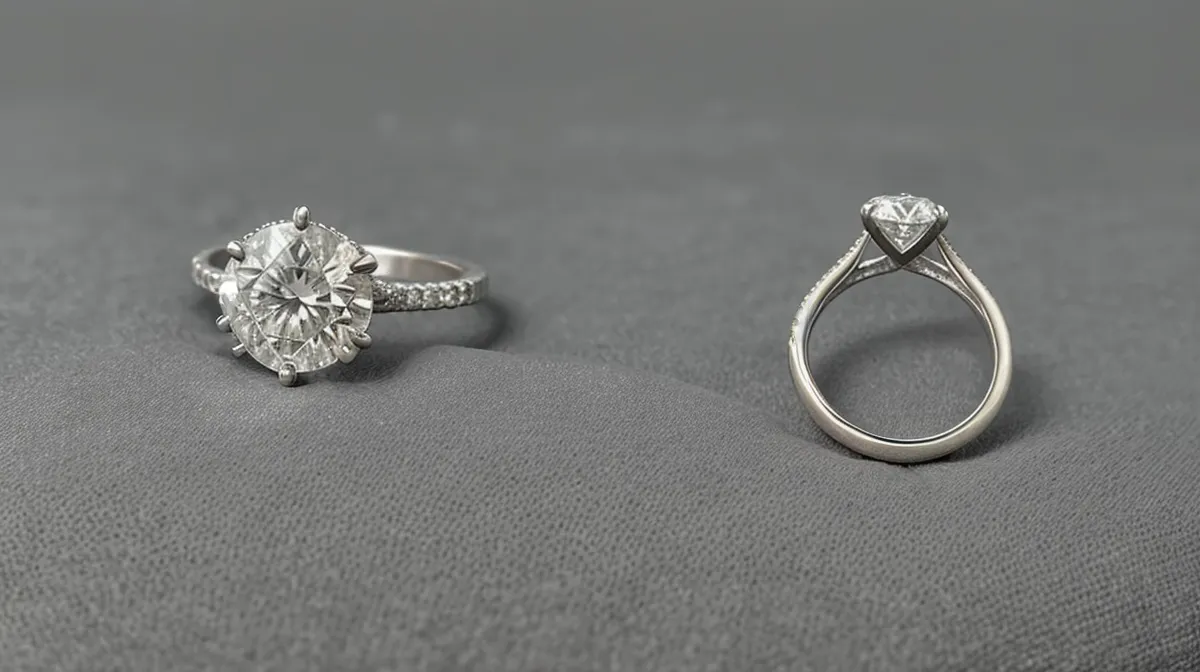
Twelve. That's how many solitaires the Jared consultant pulled from the case before my friend Emmeline, deep in her own engagement ring shopping, turned to me and asked whether the store two floors down could do the same ring for less. I didn't have a real answer standing there, which is exactly the kind of jewelry store comparison I keep getting pulled into.
Before I get further into it. This site runs on affiliate links, a few of them below. Click through and buy, and I earn a small commission at no extra cost to you. I only link stores and online sellers I've actually sat across a counter from or ordered from myself, which is most of why Emmeline drags me along in the first place.
Two years into being the friend everyone calls before a mall jewelry counter (the notebook is a running joke with everyone I've dragged along by now), I keep coming back to the same pair whenever someone's deep in diamond buying and engagement ring shopping at the same time: Jared, the store with the blue sign every mall seems to anchor around, and GOODSTONE, the online lab-grown seller people message me about once the showroom math stops adding up. That's the real jewelry-store comparison worth having. It's not one review in isolation, but what you get walking into one storefront versus ordering from the other, side by side.
Inside the Jared Showroom: The Financing Pitch Before the Diamond
Walking into a Jared isn't like walking into a small boutique. It's brighter, it's busier, and there's a pitch running before you've even picked a case to stand at: financing terms, a 'lifetime guarantee' packet, an offer to sit down before you've said what you're looking for. Tuning that out takes the same instinct as vetting a used car: nod along, note what they lead with, and wait for the number that actually matters. The showroom runs on lighting with a high Color Rendering Index, built to make white stones look whiter than they will anywhere else you'll see them, and nobody at the counter volunteers that detail first.
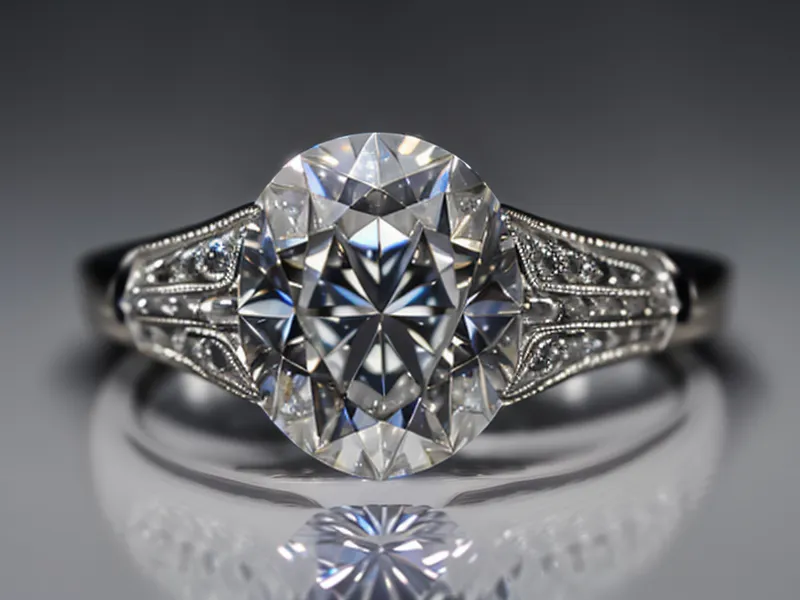
The consultant had a GIA report open on the counter before Emmeline had even sat down, already folded to the clarity plot like she wanted our eyes to land there before the number next to it. Reading one of those top to bottom is its own small skill, and I still second-guess myself on it more than I'd like to admit. None of it means much without knowing what's actually being graded — cut, color, clarity, carat, the four things every stone gets scored on, which is a whole separate lesson on its own. The financing conversation could fill an afternoon by itself; the short version is read every term before you nod, because the 'you're already approved' line is designed to get you nodding faster than you should.
The 10x Loupe in Diamond Buying
Jared carries a noticeably deeper bench of higher-carat solitaires than the typical mall counter — after my deep dive into Kay Jewelers, I'd put Kay Jewelers and Jared in the same family, right down to the script, even though the inventory skews different. Jared doesn't really do custom the way a bench jeweler builds something from scratch, either; you're choosing from what's already cut and mounted, not designing from a blank sheet. The setting matters almost as much as the stone — whether it snags on gloves and sweater sleeves is its own whole conversation — and nobody at the counter brings that up unprompted.
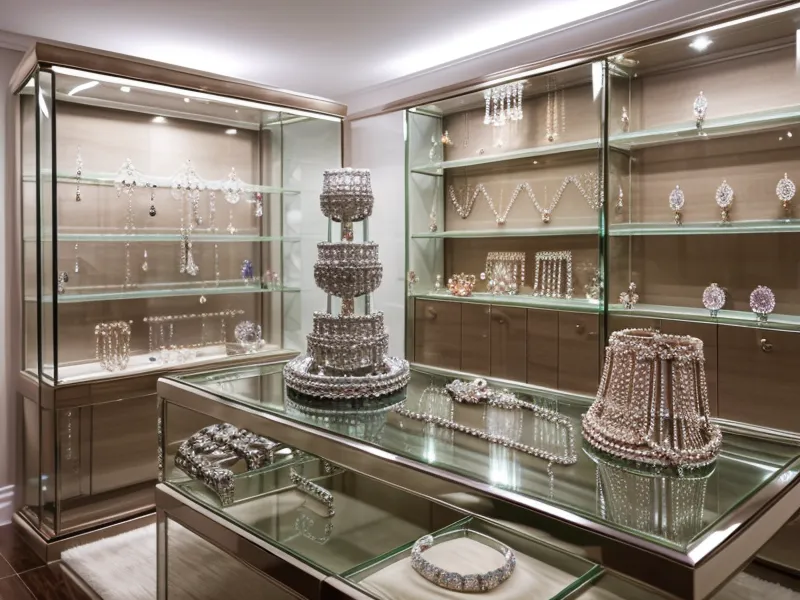
One stone in the case had a tag calling it 'unique character.' Under the loupe, 'character' turned out to mean visible inclusions, the kind that shows up the moment you know to look past the surface. It's a useful reminder that the vocabulary at a counter is doing marketing work as much as descriptive work.
Weighing GOODSTONE's Lab-Grown Price Against Jared's Markup
The price gap is the real story here, more than any single stone. Set a mined diamond at Jared next to what GOODSTONE lists for a lab-grown stone with comparable specs, and the difference is hard to justify once you've seen both side by side. Lab-grown and mined diamonds are chemically and optically the same material — that trade-off is worth its own full conversation, and it's not one I'm settling in a single paragraph here. If you need to touch metal and see a stone in person before committing real money, Jared offers that. You can walk in, get sized in the back, and leave with a box the same day.
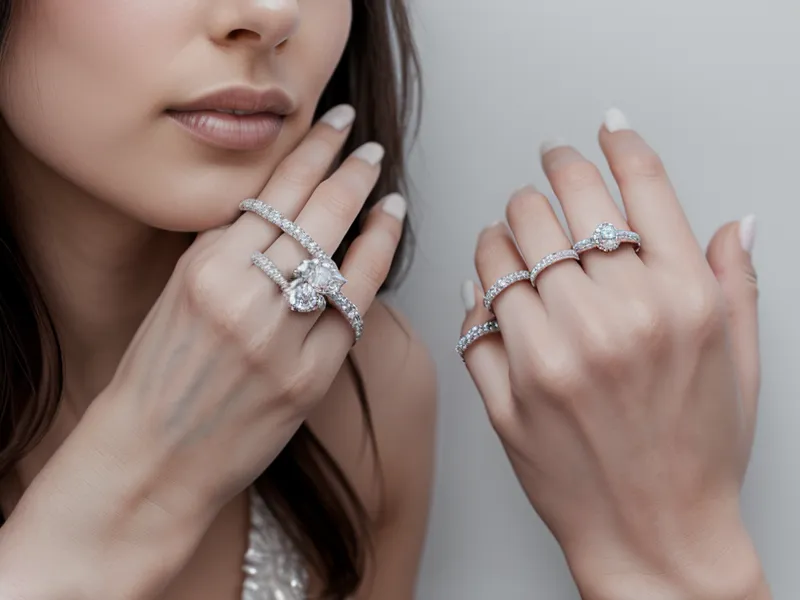
Design is where the boutique online sellers pull ahead. Weigh is the GOODSTONE hype worth it against the minimalist settings at Theo Grace, and the big-box case starts to feel dated by comparison — heavier settings, fewer low-profile options. Moissanite never came up once at the counter the whole visit, which tells you plenty about what a commission-driven showroom will and won't steer you toward.
Which One Should Get Your Five Figures?
A coworker's girlfriend, Valentina Forde, messaged me not long after my ring notes made the rounds at the office. She'd already burned a full Saturday hitting three different mall counters back to back and come out of it more confused than when she'd started — the classic mistake of shopping by circuit instead of picking two things worth actually comparing side by side. By the time we talked it through, she'd flipped between rose gold and platinum so many times I stopped trying to keep score. What she could actually check by hand at a counter — the weight, how cold the metal felt, how a stone read under a few different lights in the same room — is exactly what no online 360-degree viewer replaces, and it's the strongest argument for walking into a showroom at all. It just doesn't mean the showroom wins on price. Jared is still a real step up from Zales or a basic mall kiosk if a physical storefront is non-negotiable for you.
None of that settles the smaller questions that matter just as much. A return policy is worth more leverage at the counter than most buyers ever use it for. Insurance is the other line nobody brings up until after checkout, and it's worth asking before, not after. If trading up somewhere down the line is even a possibility for you, get the terms on that in writing now, not later. Sizing, at least, is one thing you can sort out yourself before you ever walk in.
If you've already worked through IGI vs GIA certifications and know that 'character' is often just a rebranded inclusion, a mall showroom has less to offer you. For maximizing size and quality against what you're spending, GOODSTONE makes the stronger case. This is the kind of decision worth turning over on a slow lap through Hampton Park before you text anyone back with an answer. Choose Jared when you need to see the stone in person before committing real money to it, when resizing and a repair counter matter more than closing the price gap, or when the person you're buying for would feel shortchanged without a box handed across a counter. Choose GOODSTONE when the spec sheet is genuinely enough for you to decide, when you can read a GIA report without help, and when a meaningfully lower price matters more than a mall address on the receipt.
Jared
Pros
- ▸ Wider selection of higher-carat solitaires than typical mall chains
- ▸ In-person 'Galleria' experience allows for immediate side-by-side comparison
- ▸ On-site repair and resizing services in most locations
Cons
- ○ Significant price markup compared to online lab-grown specialists
- ○ Heavy focus on financing and lifetime service plan upsells