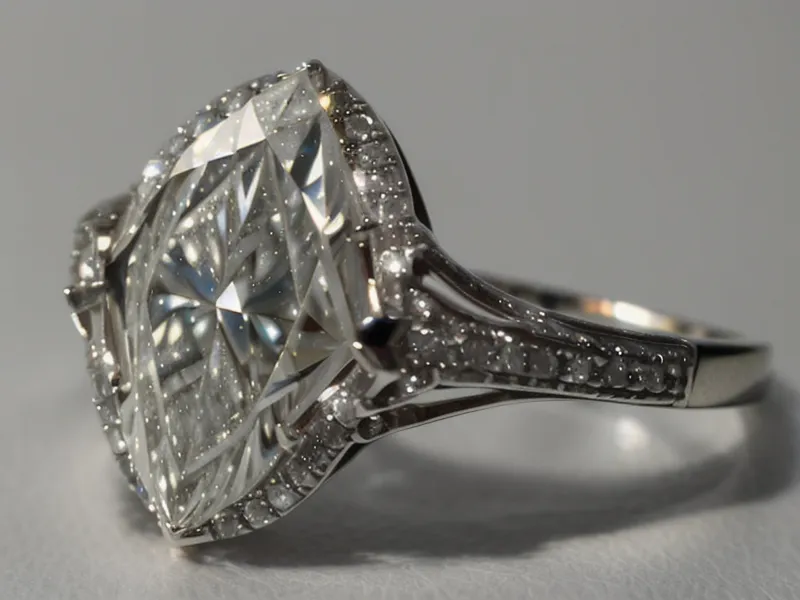
Every jeweler starts sounding like the same script after you visit enough mall counters. I stopped counting somewhere between a Saturday spent walking a friend through a Charleston showroom and the spreadsheet I started building during my own engagement ring search, mostly to track which lab-grown diamond sellers were actually worth a second look. That spreadsheet turned into the thing half my friend group forwards to each other before anyone sets foot in a store for their own jewelry shopping. Affiliate links are scattered through what follows — I earn a small commission if you buy through one, at no extra cost to you, and I only link to sellers I've actually put a loupe to or ordered from myself.
Short answer, if you want it before the reasoning: a physical store buys you the safety net of walk-in resizing and cleaning, a direct-to-consumer specialist buys you more diamond for the same money, and the sellers below split cleanly along that line. Everything past this paragraph is how I got there, plus exactly who I'd send you to first.
The Diamond Spreadsheet That Started All of This
The spreadsheet started as a way to track prices for a best engagement rings under $3,000 search, back when I was the one shopping and hadn't yet figured out that every showroom would call its inventory both exclusive and on sale in the same breath. It turned into something bigger the first time a friend flipped her phone around at a folding table by Marion Square Farmers Market and asked whether the ring in some stranger's photo was a good price or just good lighting.
Now the sheet has enough tabs that my neighbor Keturah Mobley — who keeps a running list of stores she's sworn off for good — asked to borrow it before starting her own ring search (and quietly asked if I was okay). Answering her questions turned into the outline for this shortlist.
How Kay, Jared, and Zales Compete on Lab-Grown Stones
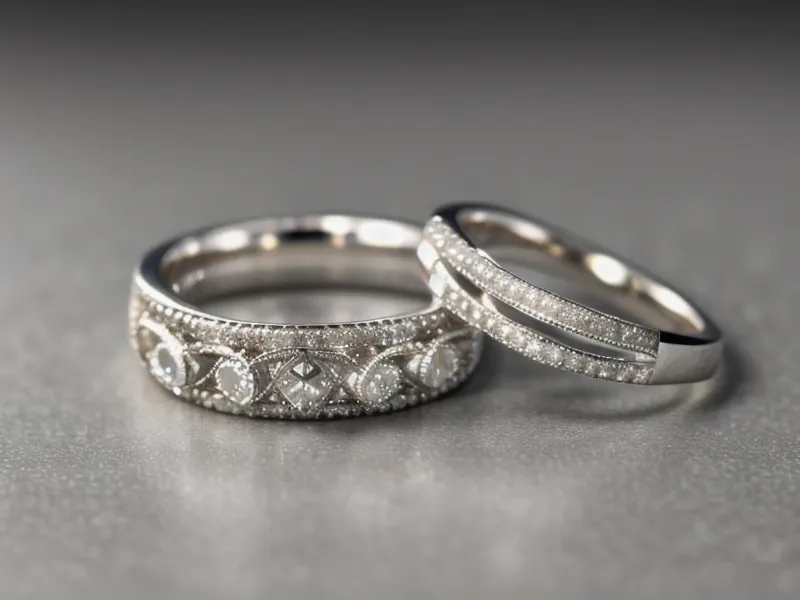
Kay, Jared, and Zales all carry lab-grown inventory now, which wasn't true a few years back, and the real question is whether any of them caught up on price or just added a lab-grown tab to the same sales floor. Kay Jewelers is the heavy hitter by sheer footprint — over a thousand stores means you can walk into almost any mall in the country and hold a stone the same day. That scale is genuinely useful if a prong bends or a ring needs resizing down the road.
It also means a script. By the third counter I walked into with a friend, I'd heard the same "this is a great investment" line delivered almost word for word, which told me more about a training manual than about any specific stone. Kay Jewelers is still usually my first suggestion on the reliability side — their return policy actually held up when I read the fine print, which isn't something I can say for every mall counter — but the financing pitch and the lifetime-upgrade plan land before you've even picked a metal, so decide what you want out of the visit before that conversation starts.
Jared sits a notch upscale from Kay under the same parent company, with a deeper bench of higher-carat solitaires if that's the direction you're headed. Zales runs the most aggressive promotions of the three — there's almost always a coupon tied to whatever holiday is closest — but the cheaper stones in their lower tier are exactly where inclusions show up to the naked eye, so that's where I'd ask for the report before the discount talk even starts. A lab-grown stone is still a 10 on the Mohs scale, same as mined, but hardness has nothing to do with how clean it actually looks in normal light.
Showroom Lighting Is Built to Flatter the Stone, Not Reveal It
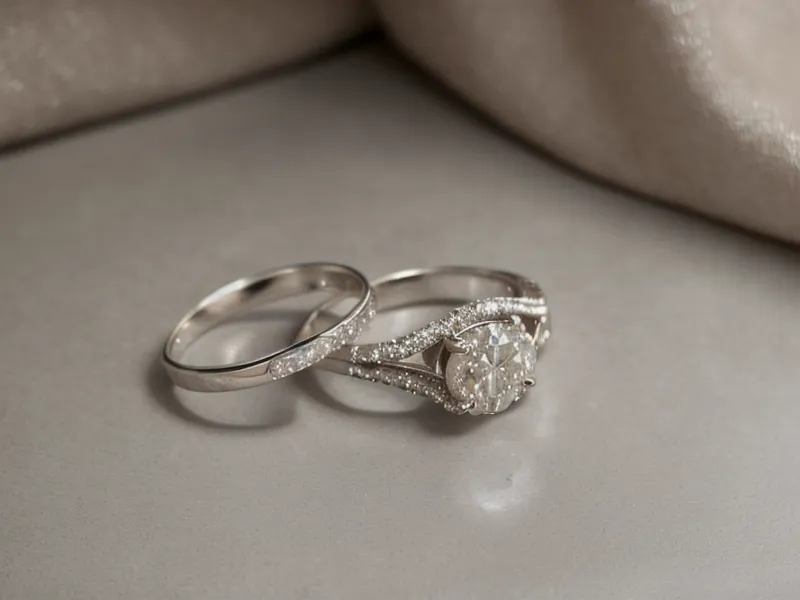
Every mall showroom I've sat in uses high-CRI bulbs chosen to make a stone read cleaner than it is, and asking to see a ring near a window or under a phone flashlight is the single easiest gut-check you can run before anything else happens. Salespeople know exactly what that request means — the soft pull of a velvet tray sliding free from its case turns into a stall tactic instead of a reveal, angled away from the window instead of toward it.
One thing I got wrong for longer than I'd like to admit: I used to take a salesperson's "certified diamond specialist" title as though it meant something regulated, the way a notary's stamp does. It doesn't, necessarily. Plenty of in-house titles come from the retailer's own training program, not from any outside body, and I only learned that after asking one directly which organization had certified him. That question is near the top of my list now, before I trust anything else the counter tells me.
Whether it's a GIA report or one from the International Gemological Institute, the paper is the thing that doesn't change under different bulbs. Reading it properly — every line, not just the headline grade — is its own skill, one I'd rather point you toward a dedicated breakdown for than rush through here.
The Lab-Grown Shift: Same Specs, Smaller Markup
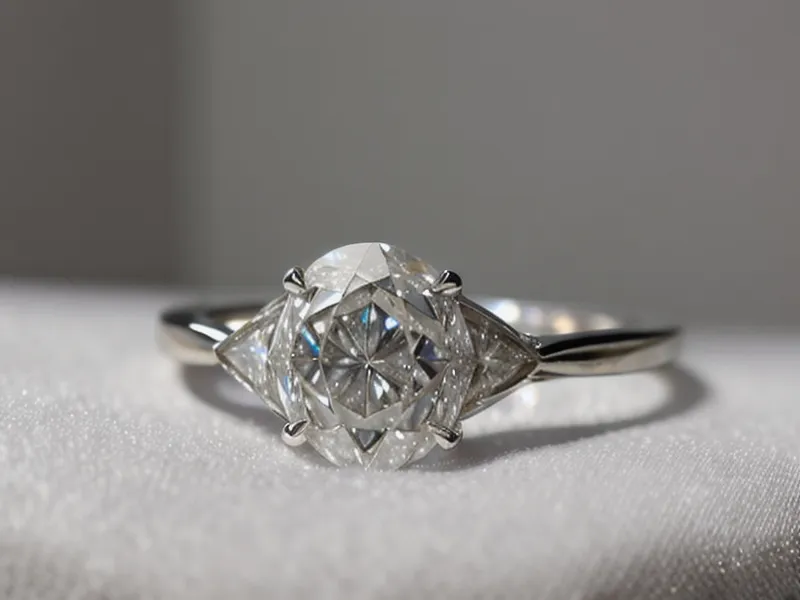
Lab-grown diamonds only became legally distinct from mined ones through an FTC ruling a few years back, and physically there's no meaningful difference between the two — just a different point of origin. That distinction is the whole reason specialist sellers exist, and whether lab-grown or mined is the smarter buy in the first place is a separate argument I've had with more friends than I can count and won't re-litigate here.
GOODSTONE and Theo Grace are the two sellers I keep coming back to when someone wants the most stone for their money without setting foot in a mall. My GOODSTONE lab-grown diamond review goes deeper, but the short version: skipping a thousand physical storefronts means skipping the overhead baked into a mall chain's price tag, not skipping quality.
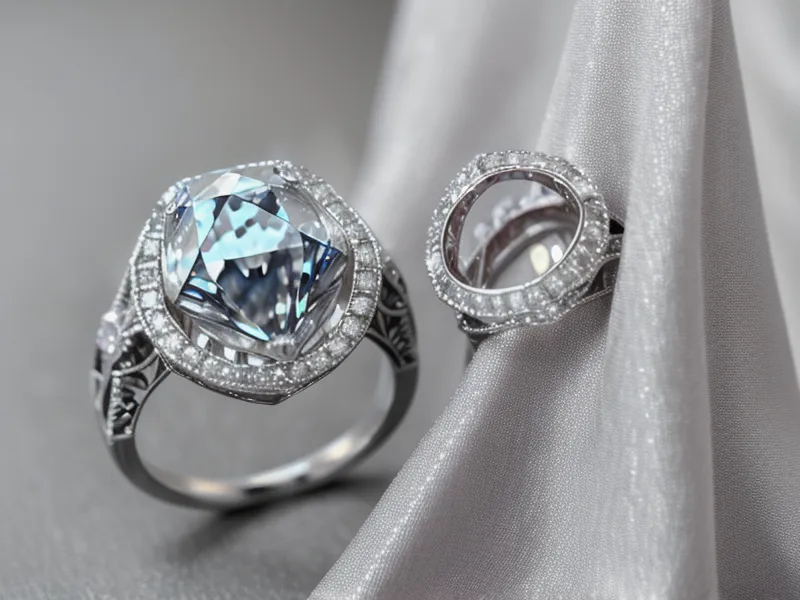
Same-Day Chain Ring or Made-to-Order Specialist: Pick Your Trade-off
Speed and customization pull in opposite directions, and no seller on this list has cracked both. Mall chains keep inventory on hand, so if a proposal is happening this weekend, that immediate shipping wins every time.
Specialists built around made-to-order settings, like Theo Grace, hand you far more control over the actual design — a hidden halo engagement ring with a specific taper on the band isn't something you're pulling off a display case — but you're waiting weeks for that ring to exist instead of walking out with it. Theo Grace is who I point people toward once precision matters more to them than a Saturday deadline. Setting choice follows the same logic: how hard you are on your hands day to day should shape which style you pick, though that's a longer conversation than fits in this post.
Run This Checklist Before You Text Anyone a "Buy It" Recommendation
A neighbor down the street, Otis Burroughs, messaged me after he came across a jeweler review I'd posted, wanting to buy a ring after saving up for a while. His first question wasn't about the stone at all — it was about who services the ring after the sale and what a lifetime warranty actually requires of him. That's the right order of questions, and it's the one most people skip.
If Otis had wanted the safety net of a physical store for any of this, Kay Jewelers is still where I'd point him — the infrastructure of a thousand stores does something boutique sellers can't match. Those warranty programs almost always come with fine print requiring regular inspections to stay valid, and missing even one can void the whole thing, so read that section before signing anything, not after. A return window works on the same logic — it's leverage you can use before you buy, not just a safety net if something goes wrong, and it's worth knowing what triggers it before you're standing at the counter.
None of this holds up if you can't talk through cut, color, clarity, and carat without flinching — the 4Cs are the baseline vocabulary, and walking through them properly deserves its own post rather than a rushed paragraph here. The same goes for reading an actual IGI vs GIA certification report line by line instead of just checking the grade on the tag; the two labs don't grade with identical strictness, and that gap is a separate breakdown on its own.
Financing gets pitched at nearly every counter on this list, and what it actually costs over the life of the loan is worth running the numbers on before saying yes. Once the ring exists, insuring it is a step people skip and then regret — also not today's topic, but don't skip it. If you're set on an oval or another fancy shape instead of a round stone, the cut proportions that make or break the look are their own rabbit hole. A few of these sellers will let you trade a stone in later toward something bigger, and the fine print on those upgrade terms varies more than the marketing page lets on. Figuring out a ring size without tipping off the person you're buying for is its own small project — and yes, it's genuinely possible to do at home. If moissanite ever comes up as a cheaper stand-in, or a custom build instead of something ready-made off a display case, both are different enough decisions that they deserve their own comparison rather than a footnote in this one.
Where I'd Point You First
The short version: a physical store buys the safety net, a specialist buys more diamond for the same money, and neither is worth much if the paperwork gets skipped. The band's metal matters too, separate from the stone entirely — how well plating or purity holds up over years is its own durability question, one I'm not getting into today.
Ethical sourcing claims deserve a harder look than most shoppers give them. A couple of these sellers actually name a third-party audit behind their sourcing language, while others just print "ethically sourced" on a marketing page and leave it there, and that gap is worth checking before taking either version at face value. Buying online instead of standing at a mall counter doesn't change which questions you should ask — that's a convenience decision, not a diamond one.
If you're ready to actually start looking, my first stop is still checking the current lab-grown inventory at Kay Jewelers for the reliability angle, then comparing it directly against GOODSTONE or Theo Grace for the value angle before deciding. That's the whole shortlist — the same one I hand my friends the day after they finally tell me to stop reading policies out loud and just say where to go.
| Product | Rating | |
|---|---|---|
| Kay Jewelers Editor's Pick | 9.1 | Read More → |
| GOODSTONE | 8.9 | Read More → |
| Theo Grace | 8.7 | Read More → |
| Jared | 8.5 | Read More → |
| Zales | 8.2 | Read More → |
Kay Jewelers
Pros
- ▸ 1,000+ stores for easy in-person resizing and cleaning
- ▸ Very transparent 30-day return policy compared to competitors
- ▸ Large selection of lab-grown stones ready for immediate shipping
Cons
- ○ Sales floor lighting is very aggressive—check stones in natural light
- ○ Heavy push on financing and lifetime service plans