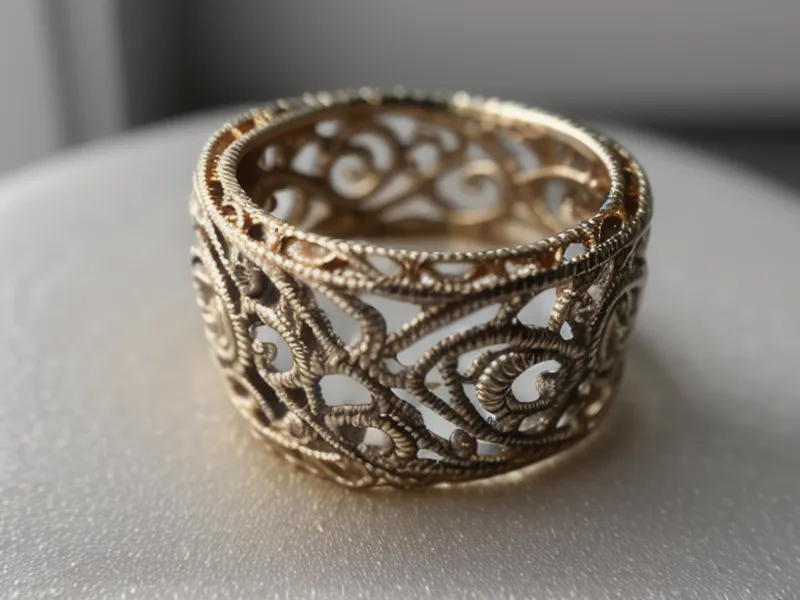
Late one evening in my Charleston apartment, I found myself squinting at high-res macro shots of hand-carved lucite while a friend texted me three different links to lab-grown solitaires. The comparison felt absurd, yet it perfectly captures the 'bridge jewelry' dilemma I navigate every week. One side of my screen showed architectural, avant-garde design; the other, the clinical perfection of a GIA-graded stone.
Quick heads up: I use affiliate links throughout this site. If you click and buy, I get a commission at no extra cost to you. I only recommend pieces I’ve physically vetted in showrooms or researched with the same intensity I used for my own engagement ring. Full transparency: my loyalty is to the specs, not the brands.
The Marketing Manager's Guide to the 'Statement' Markup
My background in marketing makes me hyper-aware of how brands like Alexis Bittar sell an aesthetic, whereas chains like Kay Jewelers or Zales sell security and warranties. My friend wanted to know if a designer piece was a "waste" compared to a "real" investment. It is the same conversation I have when someone asks if they should lease a luxury SUV or buy a used Honda. One makes you look like the person you want to be at a King Street brunch; the other has a high resale value and a predictable maintenance schedule.
During the holiday rush last late November, I started cross-referencing my spreadsheet. I looked at the return policies of Theo Grace and the lab-grown specs of GOODSTONE against the immediate gratification of a mall-chain showroom like Jared. I noticed that while Bittar excels at the "vibe," the technical durability is a different sport entirely.
The Technical Tradeoff: Lucite vs. The Mohs Scale
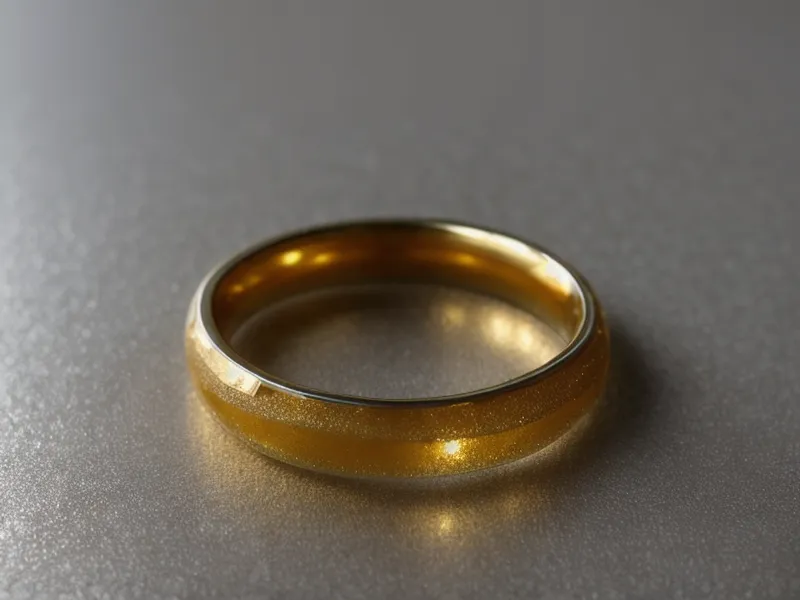
When you’re buying a statement piece, you’re often paying for the artist’s hand, not the intrinsic value of the material. Take the Mohs scale of mineral hardness. For diamonds, the value is 10. They are forever because they are physically difficult to destroy. Lucite, while beautiful and hand-carved, is essentially high-end acrylic. It doesn't have a Mohs rating that competes with a sapphire or a diamond.
Then there is the metal. Most of the "gold" look in designer statement jewelry is gold vermeil. To be legally labeled as such in the U.S., the Federal Trade Commission (FTC) requires a standard thickness for gold vermeil of 2.5 microns over sterling silver. That’s more substantial than the flash-plating you’ll find at a department store kiosk, but it’s still a surface treatment. In contrast, the 14k gold prongs you’ll find at Zales are solid throughout. I once confidently told a friend a piece was solid gold based on the weight, only to find the '925' stamp hiding inside a hinge, proving it was just heavy plating. It was a humbling moment for the resident "expert."
The Warranty Trap and the Six-Month Cleaning Rule
By mid-February, after another friend’s proposal, I was back in the mall circuit. The difference in service is jarring. Most major mall jewelers, including Kay Jewelers with their 1,000+ stores nationwide, offer a 'Lifetime Diamond Guarantee.' However, if you read the fine print—which I’ve been known to do aloud at brunch—that guarantee usually requires documented professional cleanings every six months to remain valid. If you miss one, your "security" evaporates.
I’ve seen the way a salesperson at a high-end mall chain stiffens slightly when I pull out a physical notepad to write down the exact color and clarity grades they just quoted. They are used to selling the dream, not the data. You can read more about my skepticism in my notes on mall jeweler service plans. With a designer brand like Bittar, you aren't getting a lifetime diamond guarantee. You’re getting a seasonal collection. If a stone falls out two years from now, you aren't going to a mall in any suburb to get it fixed for free.
Aesthetic Impact vs. Long-Term Value Retention
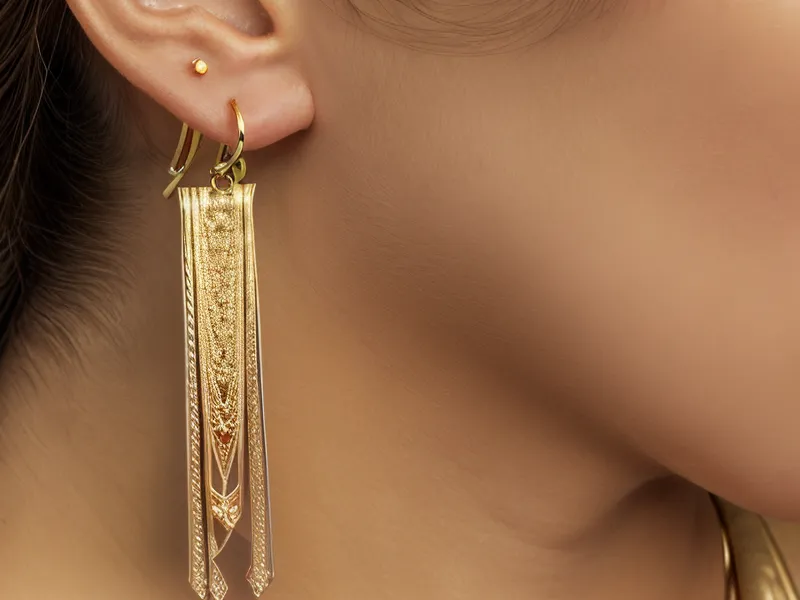
The turning point for me was realizing that "costume-adjacent" pieces often carry more personality but zero resale value. If you buy a lab-grown solitaire from GOODSTONE, you are getting the same optical and chemical properties as a mined stone. It’s a specialized piece of equipment for your finger. A Bittar cuff is a piece of sculpture.
I remember the specific, heavy 'thunk' of a designer lucite cuff hitting my wooden desk compared to the light, tinny clink of a budget-tier gold chain. There is a tactile quality to high-end statement jewelry that feels "expensive," even if the raw materials don't trade on the commodities market. But as I sat there, I couldn't help thinking: 'Am I actually paying for the metal, or am I just paying for this fancy velvet dust bag and the feeling of being a person who shops on King Street?'
The Charleston Test: Garden Weddings and Humidity
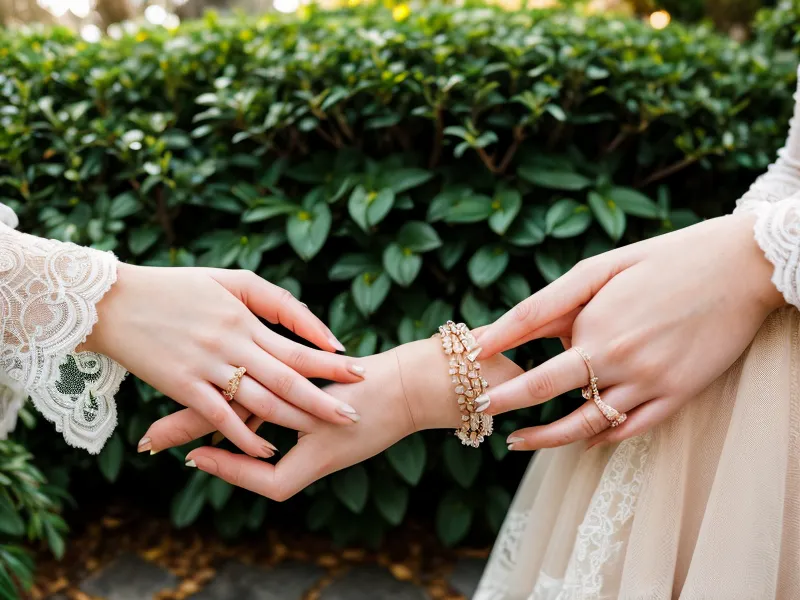
By early June, right before a particularly humid garden wedding here in Charleston, I had to make a choice. If you’re wearing it to a wedding where the dew point is 75, do you want the security of a 14k gold prong from Jared, or the sheer architectural 'vibe' of an Alexis Bittar statement piece?
The measurable tradeoff is clear: Alexis Bittar pieces offer higher aesthetic impact for the price but lower long-term value retention compared to traditional precious metal fine jewelry. For a wedding guest, the Bittar piece wins on style. For the bride, I’m still pointing her toward Theo Grace or a local jeweler who understands that an engagement ring is a 50-year lease, not a seasonal fashion statement.
Final Verdict: When to Pull the Trigger
Several weeks after that June wedding, I looked at my jewelry box. The statement pieces are the ones I remember wearing. They are the conversation starters. But the "fine" jewelry is what I know I can hand down. If you want a piece that people will stop you in the street to ask about, go for the designer statement. It’s worth it for the art. But if you’re looking for an investment or a piece that carries a lifetime of free repairs, stick to the mall chains or specialized lab-grown boutiques. Sometimes, "worth it" is about the memory, not the carat. Just don't expect to sell it for much at a gold-buy shop later.
If you're still torn between the mall and the boutique, check out my experience in My Afternoon in the Mall Jewelry Circuit for a reality check on those showroom lights.
Alexis Bittar
Pros
- ▸ Unique architectural designs that stand out in any crowd
- ▸ High-quality gold vermeil (2.5 microns) beats cheaper fashion brands
- ▸ Hand-carved lucite offers a tactile, sculptural feel
Cons
- ○ Minimal resale value compared to precious metal fine jewelry
- ○ No lifetime warranty or cleaning plans like major mall chains