Six months. That's the entire window built into a 'lifetime' warranty before it can quietly stop being lifetime. This detail is buried under the biggest word on the paperwork mall jewelers hand over with the ring box. Walk into any Kay, Zales, or Jared assuming lifetime means covered, full stop, and you're already standing on the wrong side of the fine print. The myth going around is that a lifetime diamond guarantee and a lifetime service plan are the same promise on the same clock. They're not, and the gap between them is exactly where consumer rights on an engagement ring get decided, and where ordinary jewelry maintenance on that ring turns into a condition of coverage instead of a nice-to-have.
Sunita Iyer, my cubicle neighbor at the agency for three years and the most financially literal person I know, called me the week she got engaged with a stack of carbon-copy receipts and one real question. Did Kay's paperwork actually cover her ring for a loose stone, or had she paid extra for reassurance that expires the moment she misses one appointment. We ended up walking the length of The Battery arguing about it, which is apparently what my evenings are made of now.
The Myth: 'Lifetime' Doesn't Mean What the Paperwork Implies
Here's the part almost nobody catches on the first visit: Kay sells two separate safety nets, and only one of them comes free with the ring. The Lifetime Diamond Guarantee is bundled into the purchase and sounds like it covers everything, but it only replaces the diamond itself if it chips, cracks, or falls out of the setting — nothing about the band, the setting, or a bent prong. The Extended Service Plan is the one you pay extra for at the counter, and it's the one that actually covers resizing and retipping, the kind of upkeep an engagement ring needs just from being worn every day doing ordinary things. Sunita had assumed one plan covered the whole ring. It doesn't, and nothing on the sales floor is in a hurry to clear that up before you sign.
The brochure didn't help either — the one they'd printed and handed across the counter, glossy, color-coded, apparently meant to clarify things. Sunita read it twice before she called me, and it left her more confused than when she started, full of phrases like 'comprehensive protection' that never once define what's actually comprehensive about it. That brochure is built to reassure, not to inform, and it's usually the first thing people trust when they shouldn't.
Why Mall Jewelers Build Everything Around One Six-Month Habit
Both plans hinge on the same requirement: bring the ring in for an inspection every six months, no exceptions. This is standard across Signet-owned stores (Kay, Zales, and Jared all answer to the same parent company), and the rule is enforced to the day. Miss the window and the warranty can be voided outright. I've heard this happen to people who had one chaotic stretch — a move, a new job, a busy season at work — and showed up at month seven to a flag on the store's computer instead of a routine checkup. I went through two full visits at a Kay showroom while working on an earlier review of the store, and the inspection desk came up both times before anyone mentioned anniversary bands.
During my own ring search, I sat through enough of these appointments to notice who the six-month schedule really benefits. The pitch is that they're protecting what you bought. The reality looks a lot like foot traffic, a built-in reason to walk you past the stacking rings and anniversary bands twice a year. I remember one specific showroom where I left with nothing in a bag, no ring, no follow-up appointment booked, and the guilt that had trailed me out of earlier visits just wasn't there anymore. That absence was the tell. If leaving empty-handed feels like relief instead of failure, the pressure in that room had been doing more work than the ring itself.
The Questions That Actually Get You a Straight Answer
Ask whether the guarantee covers side stones or only the center stone. A pavé band with a dozen tiny diamonds set along the shank can leave you paying out of pocket for exactly the stones you assumed were included, because the Diamond Guarantee language is usually written around the one big stone in the middle. Ask what voids the warranty completely, too. Taking the ring to an outside jeweler for a quick clean while traveling is enough to kill coverage at most mall chains, and the honest answer, when you ask it directly instead of skimming the booklet, is almost always yes.
Resizing is the next thing worth pinning down, since fingers change size for reasons that have nothing to do with how carefully anyone wears a ring. Find out if it's covered for the life of the ring or just once, and get the answer in writing rather than a verbal reassurance at the counter. The same leverage that works on a return policy works here: ask before you sign, not after, because a staffer trying to close a sale answers faster than a staffer handling a complaint. And ask what happens if the physical inspection booklet gets lost, since a store's internal system glitching is not something you want to discover the day a repair actually needs covering. Photograph every page the moment it gets stamped. That photo is the only proof you have once you're arguing with a database instead of a person.
The Maintenance Check Hiding Inside Every Inspection
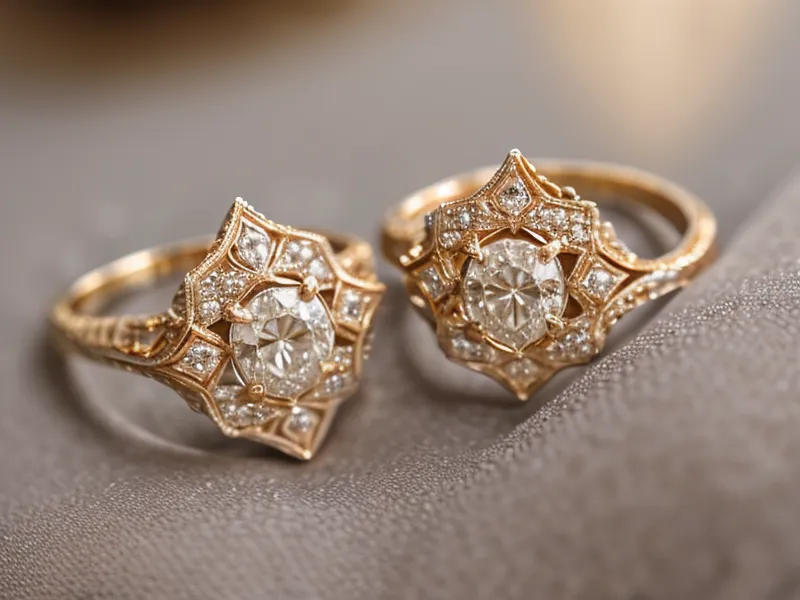
Inspections also check things that have nothing to do with the warranty paperwork. If you have a round brilliant cut stone, someone is looking across all of its facets for new chips, and they're checking the metal around it at the same time. Mall settings usually run 10k or 14k gold, and the purity plays into how fast you'll need retipping again — a sturdier setting can mean fewer visits to the counter than the warranty schedule assumes, which is its own conversation about metal choice and tarnish resistance I won't fully get into here.
Prong retipping is the most common repair that comes out of these checkups: a jeweler adds a sliver of metal back onto the tips holding the diamond in place, because prongs wear down the same way tire tread does. The Extended Service Plan usually covers it. Without that plan, you're paying for labor and gold out of pocket, and if you've got an active job or hobby, you'll need it sooner than someone with a desk job — I wrote more about matching a setting to how you actually live in a piece on engagement rings for active lifestyles. Kay, Zales, and Jared all price these plans close enough to each other that the real markup conversation is about the chain, not the specific plan, and whether you financed the ring in the first place changes that math yet again.
Treat the Contract Like a Lease, Not a Promise
None of this is insurance, either, and that mix-up trips up almost as many people as the six-month rule does. A service plan fixes specific manufacturing-type problems the store defines for itself. Actual ring insurance covers theft and loss, which a mall warranty never will, no matter how the word 'lifetime' gets used in the pitch. Before you leave the counter, get a straight answer on side stones, on what voids coverage, on resizing, and on what happens if you lose your booklet — ask like you're reviewing a lease, because that's closer to what you're actually signing than anything resembling a promise. Sunita's calendar now has a recurring reminder for her inspection appointment, and that reminder, not the paperwork sitting in her kitchen drawer, is the thing actually protecting her ring.