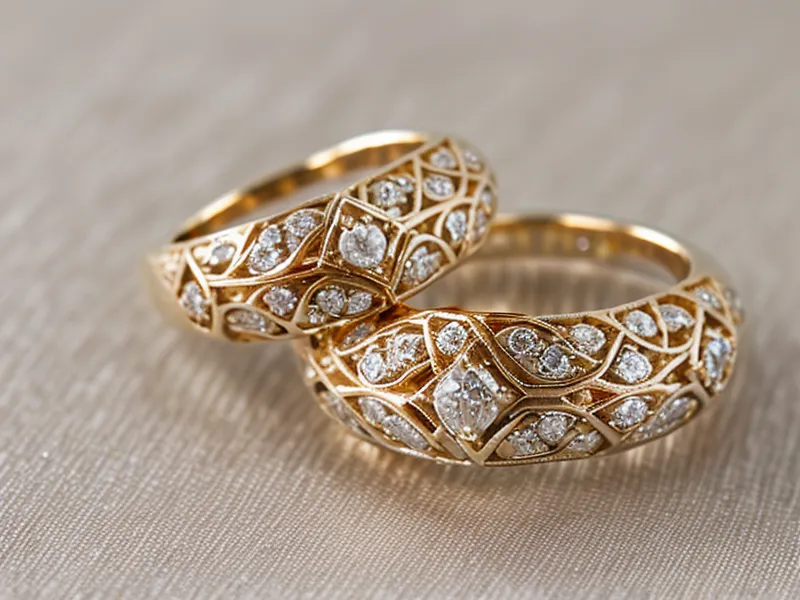
My phone buzzed mid-text with a photo of a solitaire under showroom lighting, every facet blown out white from the flash, and before I'd even opened it full size I already knew what I was going to ask: was that stone actually eye-clean, or just well lit? That's become my role in more ring searches than I expected back when I started comparing engagement ring shopping options for my own ring. Friends forward me showroom photos. Coworkers of coworkers message me through Slack. Somewhere in there I turned into the person people call for fine jewelry comparison before they'll spend real money, because a jewelry retail analysis from a friend costs nothing and a bad impulse buy at the mall does not.
Here's the only disclosure that actually matters to me: I only send people to retailers I've put through this kind of review myself. Kay Jewelers is one of them. So is Ross-Simons, which is the entire reason I'm writing this one up.
Why the Catalog Model Still Holds Up
Short answer: it holds up, and it held up before Ross-Simons had a website worth bookmarking. A 200-page catalog landing on a coffee table used to read as outdated to me, next to a chain's glossy app. Then I actually compared what gets listed per stone against a mall site, and the catalog brand was posting more real data, not less. Their online depth goes head-to-head with Jared now, down to filterable specs most mall associates won't volunteer unless you ask twice.

Ross-Simons also states its gold content plainly on the product page, which matters more once a ring's actually been on a hand long enough to warm up; metal that felt cool and foreign in the store stops registering as anything unusual by the end of the day. The first time anyone handed me a full GIA report, I skipped the cover summary completely and went straight for the clarity plot, convinced that tiny diagram would tell me something nobody behind the counter wanted to say out loud. My friend Emmeline, who talks me out of my own spreadsheets more often than I'd like to admit, looked at that same report next to a set of mall photos and said the quiet part out loud: one of these was selling information, the other was selling a feeling.
Where the Mall Chains Lose the Argument
The pitch at Zales runs close to identical to Kay's and Jared's in my experience: financing pushes, 'lifetime' service plans that mostly mean come back every few months so they can upsell you again. None of that is a secret once you've sat through it with a few different friends. What's harder to catch is the stone. I used to judge how a diamond looked straight out of the case instead of asking to step toward a window, and the first time I actually did step into daylight with a ring in hand, I understood exactly why that mattered. Case lighting is built to flatter. Daylight isn't.
That's part of why I point people toward a side-by-side look: Ross-Simons or a boutique such as Theo Grace, before they set foot in a mall at all. You can filter for eye-clean clarity in better product photography than you'll ever get under fluorescent track lighting, and you can do it without anyone standing over your shoulder.

Is Ross-Simons Actually Competitive on Lab-Grown Diamonds?
Short version: yes, more than I expected from a brand built on a paper catalog. GOODSTONE built its whole identity around lab-grown specialization, and Ross-Simons' lab-grown listings hold up next to it on spec depth even though the cover of that catalog still looks like it belongs to your grandmother's jeweler. Lab-grown versus mined is its own decision, carat for carat lab-grown usually runs cheaper, and the trade-off tends to show up later at resale more than it does on your hand day to day. That's worth working through on its own before you pick a retailer at all. What I will say here: a retailer that discloses a stone is lab-grown clearly, right on the product page, earns trust with me immediately. One that buries it in the fine print on the back of a tag loses it just as fast.
Valentina, a coworker's girlfriend who messaged me after my comparison notes made the rounds through the office, asked about resale value before she asked anything else about the stone itself. That's actually the right order of questions for lab-grown, whether or not people realize it going in. Sizing is the other place I watch closely with anyone I'm helping; a half-size guess that's slightly off reads fine on paper and wrong on an actual hand, and it's not something I'll sign off on without someone measuring more than once. Ross-Simons gives you an actual sizing tool instead of a vague printout chart, which helps, but it still rewards being careful over confident.

Resizing and Repairs Without a Showroom
This is the actual trade-off, and it's the one place I stay the most skeptical friend about. Walk into any Kay Jewelers location and someone can tighten a prong same day. Order through Ross-Simons and a resize means a shipping label, a trip to a UPS counter, and a wait that's entirely out of your hands. For some people that alone is a dealbreaker, and if you want to walk in and walk out with an answer, a retailer with a physical counter is simply going to serve you better. For me it became one more line item in a negotiation I already run like any other big purchase, closer to haggling over a used car than trusting a showroom pitch at face value.
I've got a small library of printed spec sheets going at this point, binder after binder, six different jewelers represented, stacked tall enough now that they block part of the window behind my monitor (my partner gives them a look every time a new one shows up on the desk). If you haven't settled on a shape yet, that decision affects resizing logistics down the line as well, and I've written up separate notes on round vs princess cut diamonds worth reading before you lock in a catalog order.
Reading the Return Policy Before You Click Buy
Return policies are where people get lazy about reading the fine print, and it's the one section of any retailer's site I read start to finish before anyone spends real money. A written return window beats a verbal promise every time: if a policy only exists as something a salesperson tells you out loud, it isn't a policy, it's a sales tactic, and the two behave very differently once you're trying to actually use it. There's a whole separate conversation about how some stores use return windows as leverage mid-negotiation, which is worth knowing before you set foot in any store, mall or catalog. Ross-Simons states its window plainly online, which is more than I can say for every mall counter I've stood at.
I track most of this on an actual wall at this point: yellow sticky notes for anything I still need to ask a retailer, pink for anything that already reads like a red flag. A return policy that changes depending on who picks up the phone goes straight to pink, every time.
Should You Actually Buy From the Catalog?
If you want to be fussed over in a chair while somebody brings out a velvet tray, go to a local boutique. There's genuine value in that experience and I'm not going to pretend otherwise. But if you want a stated return window, honest gold specs, and a price-to-quality ratio that beats the mall more often than not, Ross-Simons is the one I keep sending people back to. The catalog is the hook. The actual product data is what makes clicking through worth it.
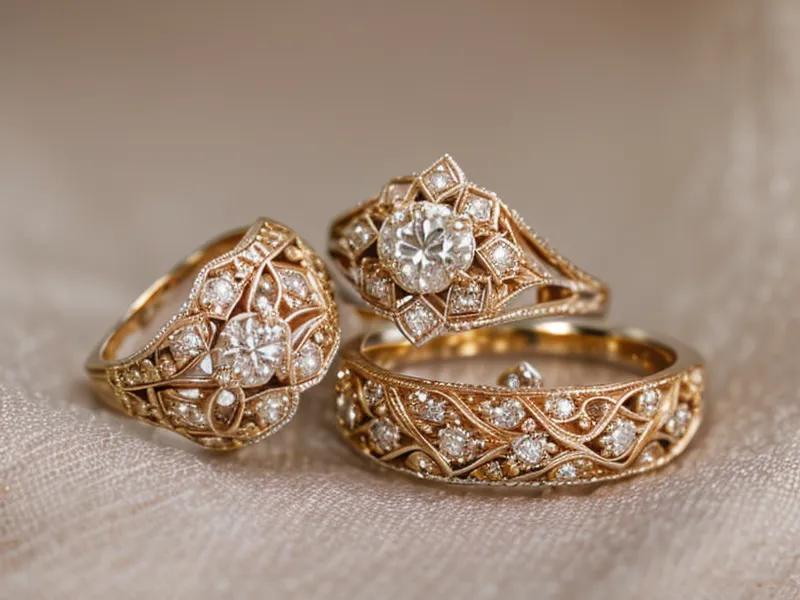
For anyone already comfortable buying everything else online, this is close to a no-brainer, as long as you know your size for certain before you click confirm. If minimalist styles appeal to you more than the classic, higher-carat look Ross-Simons leans into, Theo Grace is worth a separate look entirely. Either way, run through my checklist for buying an engagement ring online before you finalize anything. It would have saved me an awkward exchange with a very confused UPS driver.
Ross-Simons
Pros
- ▸ Exceptional transparency in online stone specifications
- ▸ Better value-to-quality ratio than most major mall chains
- ▸ Classic 'legacy' styles that feel timeless rather than trendy
- ▸ Reliable 30-day return policy without the mall upsell script
Cons
- ○ No physical showrooms for immediate resizing or repairs
- ○ Logistical hassle of shipping for warranty work