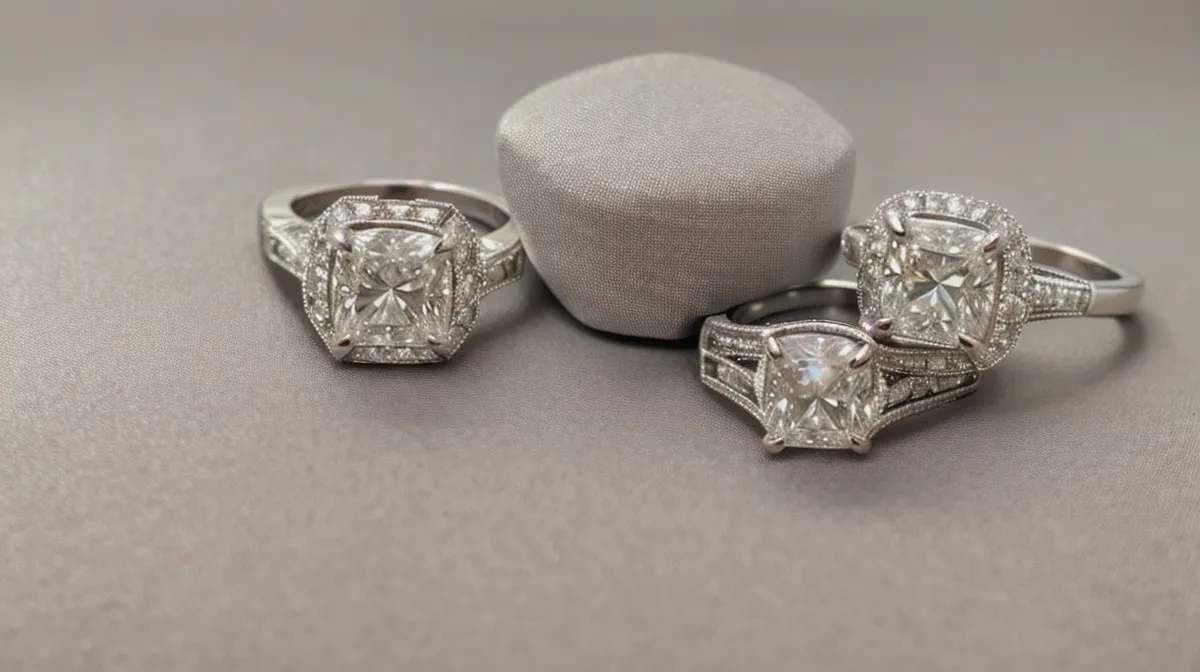
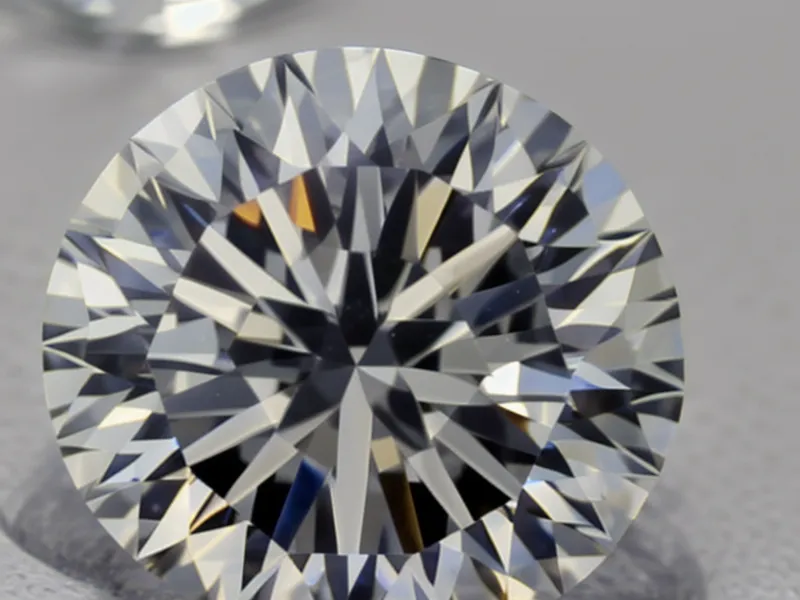
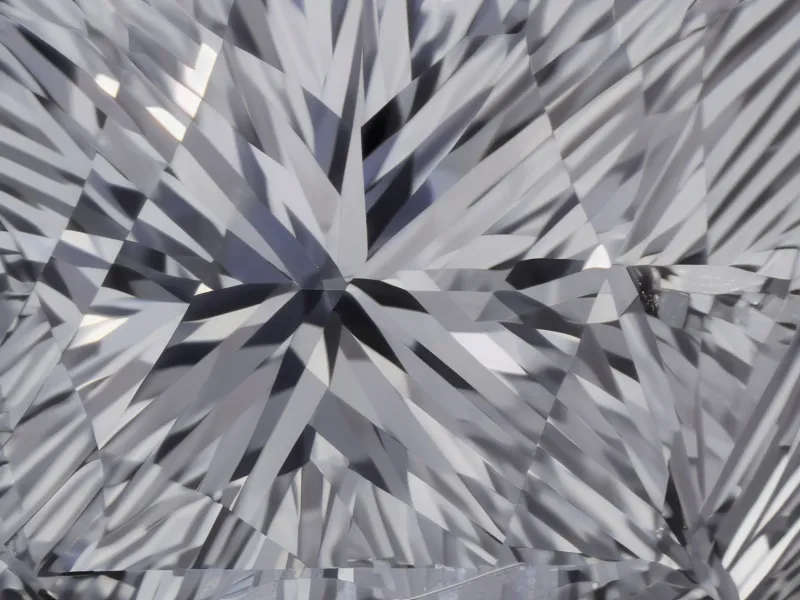
Fifty-eight facets. That's the cut count on a standard round brilliant, each one angled to bounce light straight back up through the top of the stone instead of letting it leak out the bottom. A round is the shape almost everyone lands on first in an engagement ring search, and a princess cut has to work harder to make its case against that kind of engineering. Readers and friends send me their showroom photos and ask some version of the same questions once they hit this fork in the diamond shapes debate, so here's the actual breakdown: a fine jewelry comparison built question by question instead of one long verdict.
Quick disclosure before the corner-chip talk: this site runs on affiliate links, and if you click through and buy something, I earn a small commission at no extra cost to you. I only link to places I've actually dug into: jewelers like GOODSTONE or the mall names you already know. That's the whole arrangement.
Why Round Still Wins the First Look
A lot of people start their search at Kay Jewelers, mostly because it's everywhere and reliable in a way that feels safe — the used Honda Accord of engagement rings, nobody's going to tell you it looks wrong. The facet math backs that reputation up: fifty-eight cuts engineered specifically for light return, which means a round hides small inclusions better than almost any other shape. That's before financing offers even enter the conversation, and whether those numbers actually work in your favor is a separate question worth running on its own. Mall pricing also carries its own markup built into the tag, which has nothing to do with the shape itself and everything to do with where you're standing when you buy it.
The one thing I got wrong longer than I'd like: judging a stone's performance under the showroom case lights instead of just asking to carry it over to a window. Those lights flatter everything sitting under them, round or not, and it took embarrassingly long for that to click. That's the same lesson behind Why I Stopped Trying to Spot the Difference between mined and lab-grown: under fluorescent case lighting, your eyes just aren't a reliable instrument.
Does a Princess Cut Really Chip That Easily?
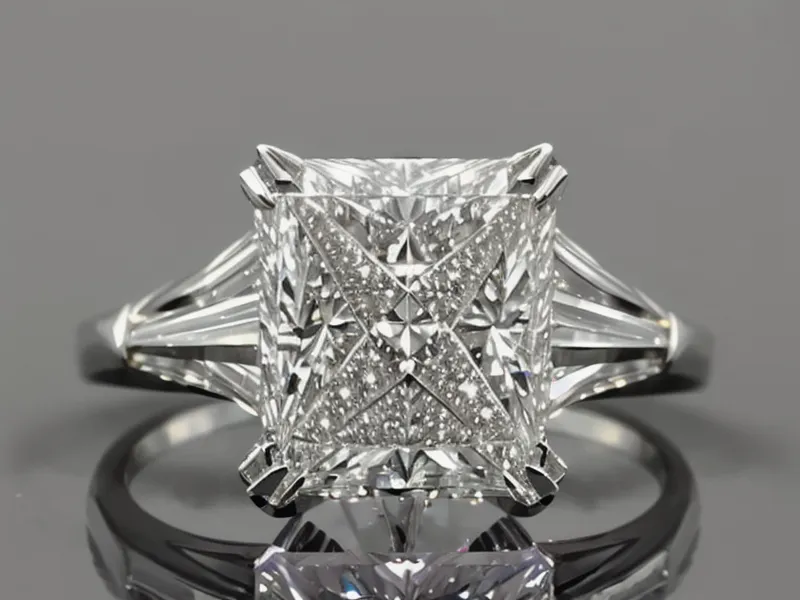
Four corners, and every one of them exposed unless the setting is doing its job. A princess cut needs V-prongs specifically to tuck those points in; skip that detail and you're one bad angle against a countertop away from a chip, even though diamond sits at a 10 on the Mohs hardness scale. Hardness and durability aren't the same thing, and that gap is exactly what a lot of showroom pitches gloss over. When I was comparing options at Jared, the sales pitch leaned hard on how unique and architectural the square shape looked, and durability trade-offs came up only when I asked directly.
My friend Emmeline is usually the one who says the quiet part out loud when a ring looks off, and she's the one who first pointed out that an unprotected princess corner looks vulnerable the second you know what you're looking at. Whether that trade-off is worth it comes down to how you actually live: hands in dishwater, a gym bar, garden gloves, the whole lifestyle-fit question deserves its own conversation. It's also the shape where I tell people insurance stops being optional and starts being common sense, and where reading exactly what a lifetime warranty obligates a store to do matters more than the promise printed on the pamphlet.
The Weight You're Paying For But Never See
Princess cuts follow the shape of the rough diamond crystal more closely than round brilliants do, so a cutter loses less weight shaping one. That sounds like a technical footnote until you realize what it means at the counter: a one-carat princess cut often has a smaller face-up size than a one-carat round, because more of that weight is sitting in extra depth under the setting where nobody's looking at it. It's the four Cs conversation nobody gives its own spotlight, mostly because carat sounds like simple math until two stones weigh the same and look nothing alike sitting next to each other.
Round wins on visual size for the money almost every time, even though it costs more per carat to begin with, since so much rough gets cut away chasing that facet geometry. Every fancy shape carries its own version of this size-versus-weight math; round is just the one most people learn first because it's the one they see most. It's also part of why round stones tend to hold their trade-in value a little better if upgrading down the line is ever something you're considering.
Is Lab-Grown the Cheat Code for a Bigger, Cleaner Stone?
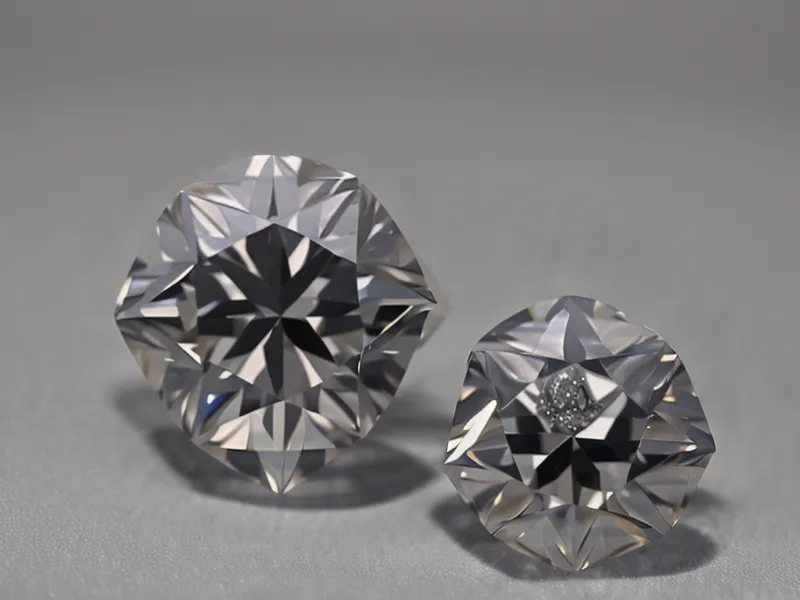
Princess cuts are notorious for showing inclusions right at the corners, since those sharp points act like little windows straight into the stone. In a mined diamond you're stuck with whatever the earth handed you at that price point. Lab-grown changes that math entirely. Comparing a stone from GOODSTONE against what showed up at Zales in the same rough price range, the clarity gap was hard to ignore, and clarity matters more for a princess cut than almost any other shape because of exactly where those corners sit.
If budget's the real constraint here, moissanite is worth a look in its own right before you even settle on diamond as the material. And if sourcing claims matter to you on the lab-grown side, it's worth checking what a seller can actually document versus what just shows up in their marketing copy. That's true whether the report comes from GIA or IGI, and the two labs don't grade quite the same way, so numbers side by side aren't always an apples-to-apples comparison. Choosing the Best Clarity is really about finding the eye-clean sweet spot, and with princess cuts specifically, that search has to be more careful around the edges than it does anywhere else on the stone.
A coworker's girlfriend, Valentina, messaged me the week she started looking, adamant she wasn't setting foot in a mall jeweler under any circumstances: lab-grown, online, full stop. The bigger lab-grown-versus-mined trade-off, resale value and how you feel about a stone that's months old instead of ancient, is its own rabbit hole entirely. For princess cuts specifically, though, it's the clarity jump that changes the calculation the most, and reading the actual grading report instead of the marketing summary next to it is a skill nobody hands you at any counter.
What to Ask Before You Commit to a Setting
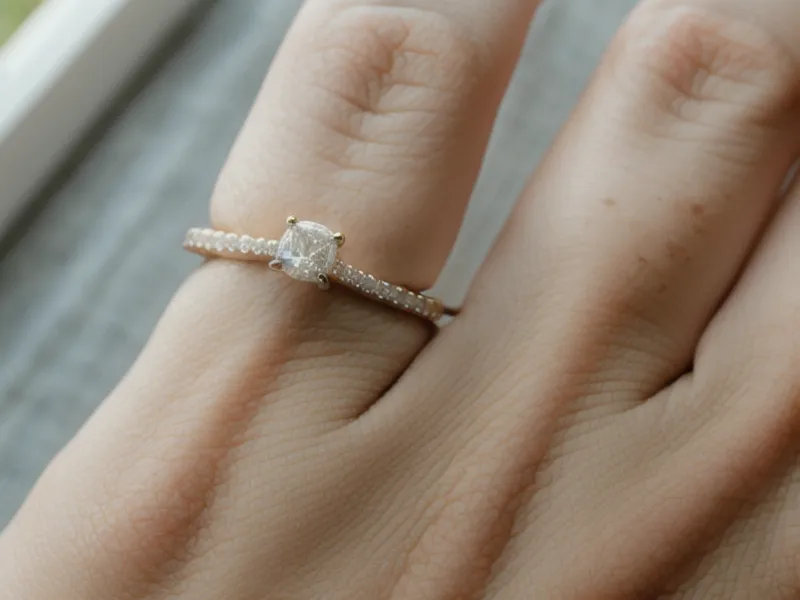
Shape is only half of it. The setting decides how that shape actually behaves on somebody's hand day to day. Mall chains like Kay or Jared carry thousands of settings, and most of them are built to fit anything, which is exactly why they can feel generic once you've seen enough of them side by side. A round brilliant tolerates almost any setting and still looks right. A princess cut needs one that actually respects its geometry, or it ends up looking dated instead of intentional.
Theo Grace does thin, minimalist bands that make a square stone look deliberate rather than just different, which is the kind of detail a boutique catches that a big chain usually doesn't bother with. Some of this gets solved by going custom instead of picking off a rack, though that's its own budget and timeline conversation. Boutique online shops tend to handle non-round shapes with more care than a mall counter does, and I've said as much in My Lab-Grown Diamond Shortlist; it's really an online-versus-in-store argument as much as it is a shape one.
Reading the Return Policy Before You Read the Ring
Most of this comparing happens at a desk these days, not a showroom. There's a stack of printed spec sheets from something like six different jewelers piled above the monitor, a single comparison stone sitting in a velvet tray a jeweler once let me borrow, and sticky notes in two colors: yellow when a question still needs an answer, pink when something reads as a red flag (my partner still gives the whole system a look every time he walks past it).
I read a return policy out loud once in the middle of somebody's pitch, just to see what would happen, and the salesperson actually stopped talking mid-sentence. That pause said more than anything printed on the page. There's real leverage in just asking about the return window and any restocking fee before you sign anything; most people never use it, and it's a bigger lever in the room than anyone selling you a ring wants you to notice.
Round or princess really comes down to what you're optimizing for: size and safety, or shape and personality. Read the paperwork either way, ask about the return window before you ask about the ring, and don't let the case lighting make the decision for you. If lab-grown clarity at a fair price is the direction you're leaning, GOODSTONE's inventory is where I'd start looking first.
| Product | Rating | |
|---|---|---|
| GOODSTONE Top Pick | 8.9 | Read More → |
| Kay Jewelers | 8.4 | Read More → |
| Jared | 8.2 | Read More → |
| Theo Grace | 8.1 | Read More → |
| Zales | 7.9 | Read More → |
GOODSTONE
Pros
- ▸ Superior clarity for princess cuts compared to mined options
- ▸ Direct-to-consumer pricing removes the mall markup
- ▸ Transparent sourcing with digital grading reports accessible
- ▸ Excellent selection of modern, minimalist settings
Cons
- ○ No physical showrooms for in-person viewing
- ○ Resale value is lower than traditional mined stones