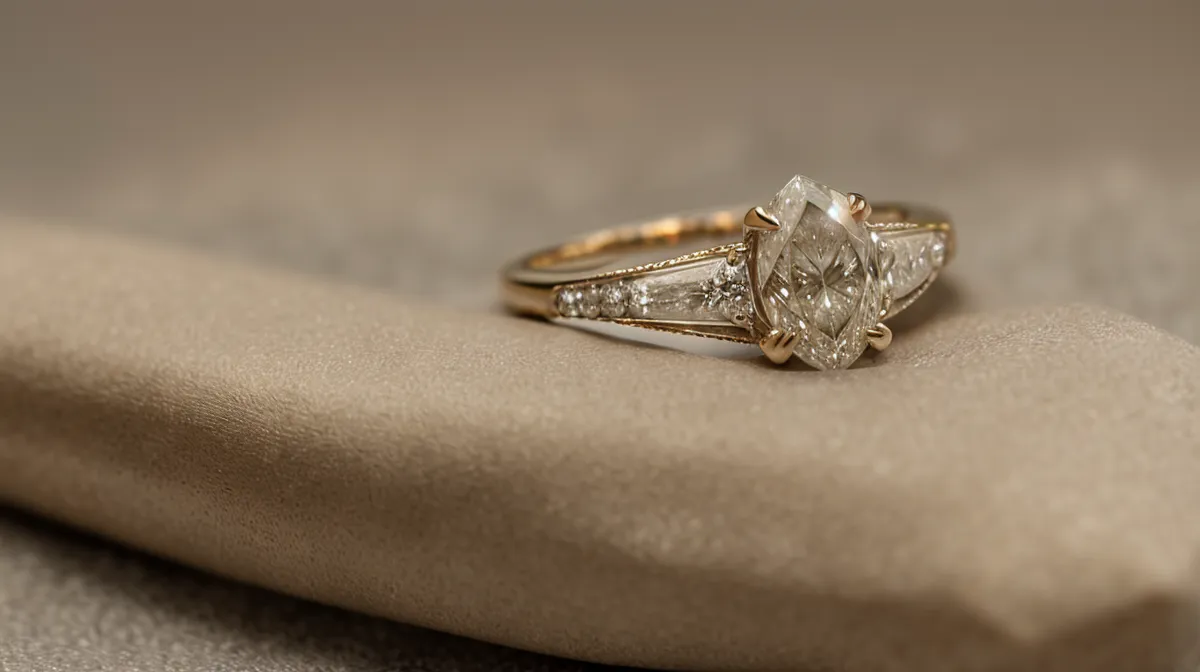
I scrolled through a dozen engagement ring reviews and felt nothing when the round brilliant showed up again. That was me, phone full of diamond shapes, sure about lab-grown diamonds and unsure about everything else. Was a radiant cut the answer, or just another detour?
Quick heads-up: this site uses affiliate links. If you click and buy, I earn a commission at no extra cost to you. I only link to jewelers like GOODSTONE or Kay Jewelers that I’ve researched or walked into myself. Transparency is my whole thing. My friends wouldn’t let me get away with less.
Short version, since you came for the comparison: the radiant cut won, and a lab-grown stone from a specialist beat a mined one from a mall chain. The trade-offs behind both calls are below, and the rule I’d hand a friend sits at the bottom.
Mall Showroom Pitch vs. the Stone I Wanted to See
Before any showroom, I tried the shortcut: a friend-of-a-friend who works in fine jewelry. Free, neutral advice, I figured. Somewhere mid-conversation it clicked that she was in sales, and every answer bent toward whatever her store carried. Advice from someone paid on the sale is a pitch, however friendly the delivery.
Mall showrooms came next. Forearms flat on the display glass, I listened to a consultant at a place like Jared or Zales walk me through the 'lifetime upgrade' policy. My marketing brain translated it on the spot: a retention tactic, built to keep me tied to one store for the next decade. I walked out of both without a ring.
Set the two routes side by side and the trade is clear. A chain like Kay gives you in-person fittings and warranty policies that mall reviewers keep mentioning. The price is a consultant trained to upsell financing and upgrade plans. A lab-grown specialist skips the pitch and the mall markup. The price there is no showroom in most US cities, so you can't try anything on first.
Round, Emerald, Cushion: The Diamond Shapes I Crossed Off
The round brilliant came first because it's the gold standard. Safe. On my hand, though, it looked expected, and I wanted an architectural edge.
Emerald cut held on longer. I loved the 'hall of mirrors' look in photos. In person, those long, flat steps showed every fingerprint and speck of dust. Unless I planned to run a sonic cleaner every twelve hours, it would look dull by lunchtime. Crossed off.
Cushions are soft and romantic, but they can turn 'mushy' when the cutting is off, and I wanted something that looked intentional. Princess cuts got a fair read too. I went through everything from Round vs Princess Cut Diamonds to gemologist forum threads (over-prepared, as usual). What I was hunting was a unicorn: a rectangle's outline with a round's fire.
With a GIA report open on my laptop, my eyes skipped every grade and went straight to the clarity plot, a diagram I couldn't decode yet but knew mattered. That habit sorted the shapes faster than any photo did.
How the Radiant Cut Splits the Difference
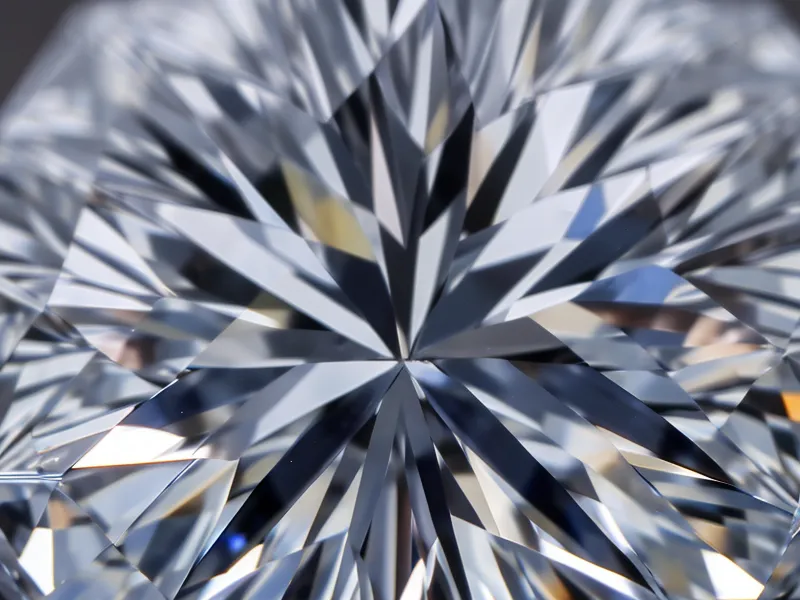
Then I found the radiant cut while browsing GOODSTONE. It was the first square-shaped diamond to get a full brilliant-cut facet pattern on both the crown and the pavilion. The facet count is 70, against 57 or 58 on a round brilliant, and those extra facets create the 'crushed ice' effect people talk about.
Side by side with a cushion, the radiant was the one that meant it. The elongated outline flattered my fingers, and the light play was chaotic and energetic in a way the emerald never managed. The relief came as one quiet exhale. It felt like a used-car negotiation where you finally find the trim package with everything you need and none of the sunroof markup.
A loop around Hampton Park with my shape notes open on my phone confirmed it. I kept scrolling past the rounds without stopping.
Will It Snag? Radiant vs. Princess for Hands-On Jobs
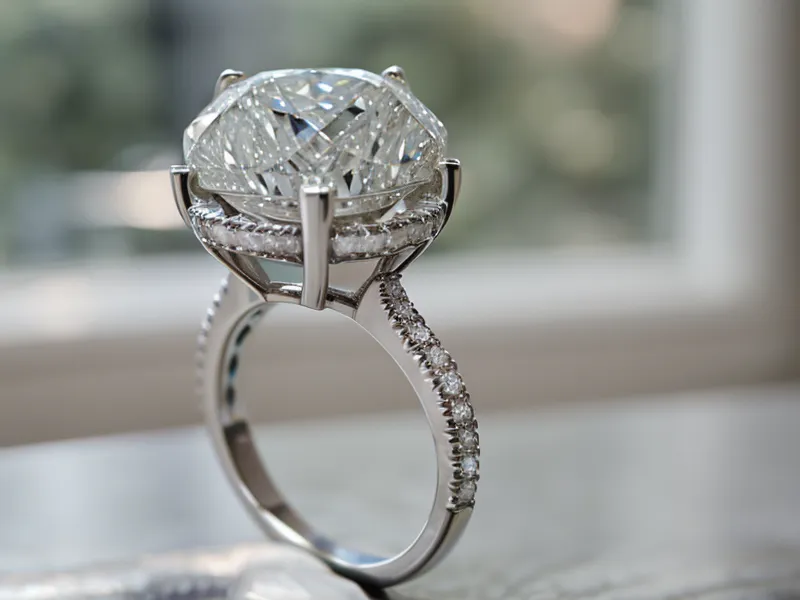
My friends in healthcare, the nurses and doctors who make up most of my 'ring hotline' callers, get one piece of advice: look at the corners. A princess cut has sharp, 90-degree corners that are notorious for chipping if they hit a hospital bed rail. Those corners and high-set prongs also snag on medical gloves and scrubs.
A friend who does improv at Theatre 99 in downtown Charleston asked the same question from a different angle: will it hang up on a sleeve mid-scene? The radiant's trimmed corners answer both versions. They make the stone noticeably more durable for everyday life, and paired with a lower-profile setting (which I recommend to anyone in a high-impact job) it's the most practical 'fancy' shape I know. It doesn't snag, it doesn't chip easily, and it stays put under a nitrile glove.
Go Lab-Grown When the Shape Is the Priority
Choosing a lab-grown radiant from a specialist like GOODSTONE was the final piece. I’ve written before about Why I Suggest GOODSTONE for Custom Lab Grown Rings, and it comes down to the math. The carbon composition of lab-grown diamonds is 100% identical to mined stones, so you still get a 10 on the Mohs scale of hardness.
Going lab-grown let me afford a stone with much higher clarity and color grades than a mined one from a big-box retailer would have. The quality of the stone outranked the name on the box. For where I'm pointing friends these days, see My Lab-Grown Diamond Shortlist.
The catch is real, though. Lab-grown resale value drops faster than mined, so this route isn't for anyone planning to upgrade later. If trading up someday is your plan, that is the one scenario where a chain's upgrade policy deserves a fair look.
Pick Your Shape by Your Week, Not Your Feed
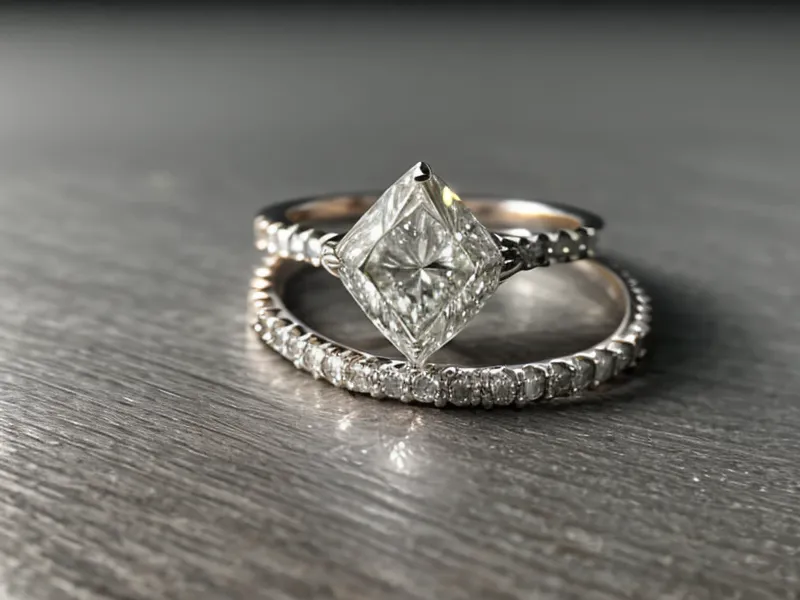
Choose the radiant when you want a rectangle's outline with a round's fire, you dislike seeing fingerprints, and your hands work all day. Choose the emerald when the hall-of-mirrors look is the whole point and you're fine wiping it often. Choose the round when you feel no pull toward anything else, and don't apologize for it. Choose a cushion when you want soft and romantic, but only after checking the cutting in person, since a weak cut goes mushy.
Where you buy matters as much as what you buy. Go with a mall chain when you need to try rings on today and want a counter to return to. Go with a lab-grown specialist when the stone's grades matter more than the counter experience and you don't plan to trade up. Whichever you pick, look at a radiant in person if you can, next to a cushion.
If you want a boutique experience with more hand-holding than the big chains, Theo Grace is another solid option I've been vetting for friends who want that modern minimalist look. Expect a smaller catalog, so it's a weaker fit if you're set on a traditional cushion or princess cut.
My search stopped when I quit asking what a diamond 'should' be and started asking how it fit my life. No fingerprints, no snags on my sweaters, and enough fire to distract me during boring marketing meetings. If you're ready to start your own search, the radiant options at GOODSTONE are where I'd begin.