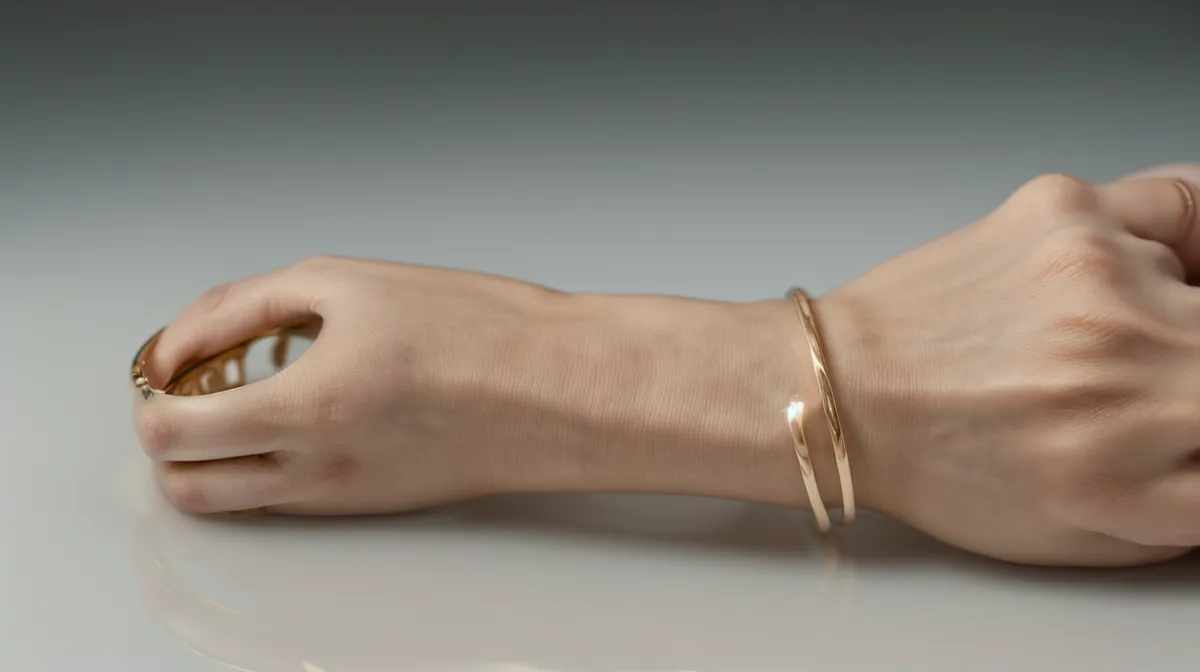
A ring from a mall kiosk costs about what you'd spend on a nice dinner out; the ring I spent months researching before my engagement cost about what I paid for my first car. Both live in the same jewelry box now, and comparing them against real fine jewelry taught me more about buying everyday rings than I expected — exactly where a mall chain earns its keep against a boutique, and where it doesn't.
Quick disclosure before I get into it: some of the links below are affiliate links, Kay and Zales and GOODSTONE and Theo Grace included, and I earn a small commission if you buy through one, no extra cost on your end. I only link to jewelers I've actually walked into or ordered from myself, from the kiosk at the mall to the boutiques online. That's the whole policy.
Why I Went Back to a Mall Kiosk After the Engagement Ring Rabbit Hole
Two years out from my own ring search, I'm still the friend people call before they walk into a jewelry counter. A neighbor down the street, Otis, called me last month instead of texting — this felt like a phone-call kind of question, he said — wanting to know if a kiosk ring could double as an engagement ring. Short answer: no, and that's its own article. What it did was send me back to a mall kiosk thinking about something I actually wanted for myself: a low-stakes ring I could wear doing yard work or at a yoga class without flinching if it got lost. The credential thing from my own search still bugs me every time I'm at a counter — I once took a sales associate's "certified diamond specialist" badge completely at face value, never asked what that certification actually covered or who issued it, and it took a second store for me to learn that in-house titles like that can mean next to nothing.
Piercing Pagoda — rebranded Banter in a lot of malls now — is where I landed, the kiosk I figured I'd outgrown the second I understood what "eye-clean" meant. The band cost about as much as a few lunches out. The prongs were thinner than I'd have liked. And my brain still wouldn't switch off completely: I asked about the return window out of habit. The salesperson was mid-pitch, something about how a purchase this small wasn't really the return-policy type of deal, and I just read the posted return policy back to them off the card taped to the register. They stopped talking for a second. Then picked the pitch back up, slower this time. The return policy is about the only leverage you actually have at a counter, casual ring or not, and reading it out loud is a free way to find out if anyone expected you to ask.
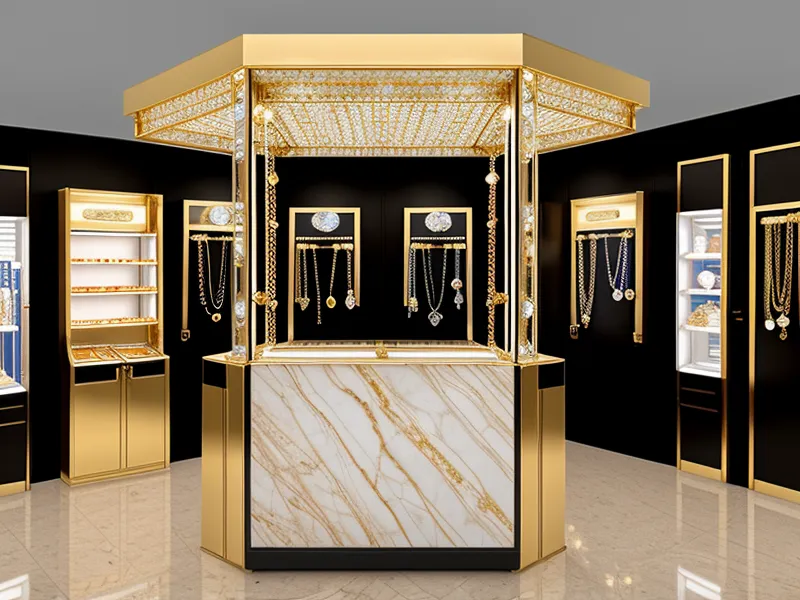
What 10k Gold Actually Buys You at a Kiosk
Months in the engagement rabbit hole make a person picky about Karat purity. Most engagement rings run 14k or 18k gold; kiosks default to 10k almost across the board. I'm not going to walk through the purity math here — how 10k actually holds up against tarnish and everyday wear compared to 14k is its own deep dive I've mostly left alone — but the short version is that 10k takes a beating better than people assume, which is exactly why kiosks build their whole casual business around it.
Standing at a Zales case later that week, I wondered if my brunch friends would call me a hypocrite. I'd gone on a whole certified-only rant the winter before. Now here I was, eyeing accent stones with no clarity grade anywhere on the tag. Tilt one under the kiosk halogens, though, and you'll see why nobody at this price point worries about grading paperwork — one facet flares white-hot while the ones right next to it go flat and dull, which has nothing to do with quality and everything to do with the lighting rig. I'm not getting into the full hardness-scale conversation (there's a Mohs scale page for that), and I've already written about how to spot diamond fluorescence issues at mall stores specifically. For a stacking ring, you're mainly checking that it doesn't look like cloudy plastic from three feet away.
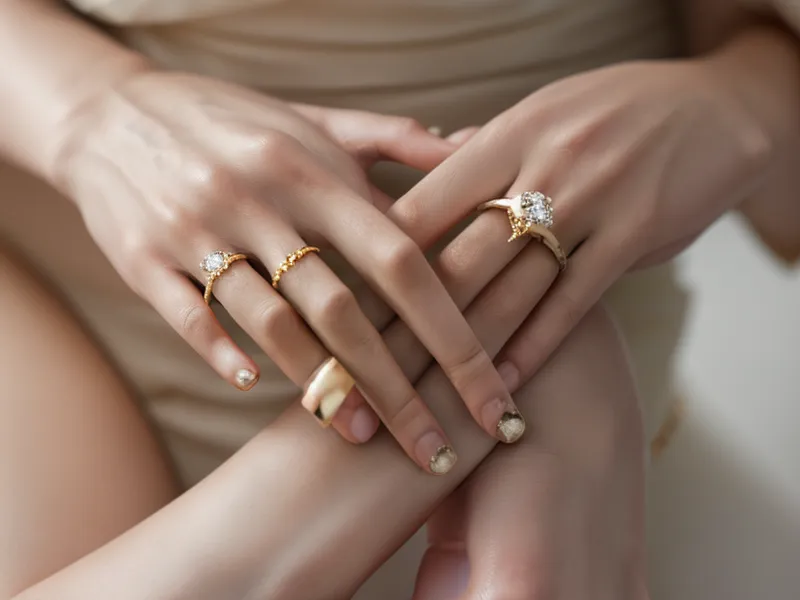
The Sunscreen Ring That Fell Apart at Shem Creek
Early June, I made a mistake. I bought a gold-plated "fashion ring" from a different kiosk, figuring it would survive one summer. Wrong. I wear it on walks along Shem Creek most weekends, and between the humidity and reapplying sunscreen every couple hours, the copper base started showing through at the edges within a few weeks. It looked cheap. It felt cheap. It left a green shadow on my finger that took two days of scrubbing to get rid of.
This is where Piercing Pagoda itself actually wins points. The stacking ring I bought there is solid 10k, not plated, and when I slid it on I felt the slight, familiar weight real gold has — a stark difference from the hollow, tinny feel of the plated ring that failed. I've broken down the fine jewelry vs fashion jewelry question for wedding-party gifts elsewhere, and the same logic holds for a ring you're buying yourself.
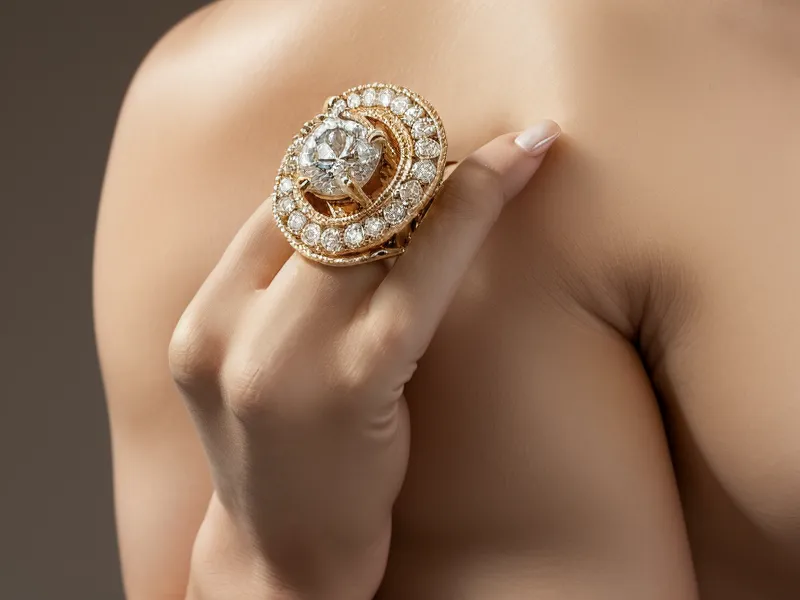
Mall Lighting vs. Boutique Transparency
One weekend I did a side-by-side: the kiosk find against a piece from an online boutique like Theo Grace. The boutique's whole pitch is transparency that's honestly overkill for a plain gold band — exact metal origin, a full rundown of the labor behind it. Whether you're buying online or walking into a store changes what you're actually paying for, and with a boutique a chunk of that extra cost is the paperwork and story, not just the metal.
At the kiosk, you get a receipt and a little purple pouch. My neighbor Keturah, one floor down, pointed out the pouch before I'd even registered it — she notices packaging and presentation details I usually blow right past. Here's what actually surprised me: that same mall lighting I used to warn friends about makes small, promotional-grade stones look better than they are. Fine for a casual ring. Not fine if you're shopping for a real center stone — for that, skip the halogens and go somewhere like GOODSTONE, where the focus is the stone itself, not how fast they can ring you up.
Is the Low Price Actually Cheaper Long-Term?
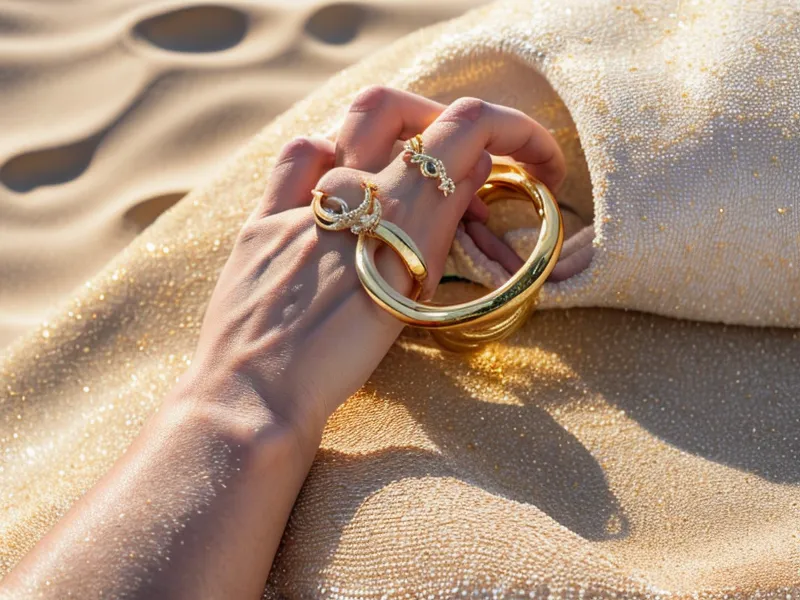
Here's the trade-off logic, same math I use fighting an apartment lease renewal: look at total cost over time, not just the price tag today. A kiosk ring is affordable up front and easy to walk out with. But because the designs are mass-produced with thinner shanks, they tend to need replacing sooner. A thin 10k band worn daily can warp or wear thin enough to snap. I didn't bother insuring mine — a ring in this price range isn't worth the premium, and that math only flips once you're talking about a real stone.
A friend bought a stack of three kiosk rings meant to be worn permanently and ended up replacing two of them within a couple of years. Go to Kay Jewelers instead — over a thousand stores, a real repair network — and you'll pay more upfront but less on the back end, assuming you actually use what you're paying for. Part of that extra cost at a chain is markup, plain and simple, and part of it is a warranty and inspection setup that only pays off if you show up for it. Nobody tried to sell me financing on a ring this cheap, which tells you something about where that pitch actually lives. I compared the Zales online vs. in-store experience a while back, and the big three chains — Kay, Zales, Jared — land somewhere between the kiosk and a boutique on almost every front.
Final Verdict: Kiosk Convenience or Specialist Quality?
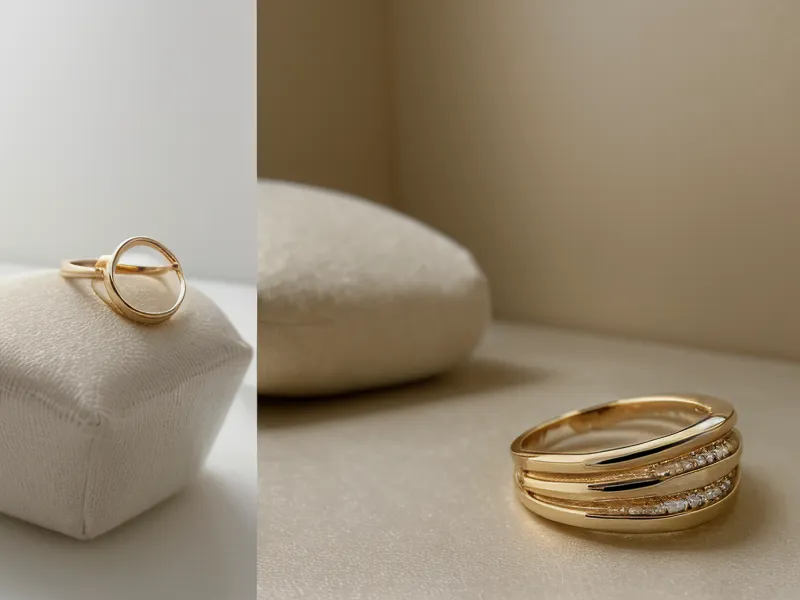
None of the stuff that consumed me during the engagement search — reading a GIA report line by line, weighing lab-grown against mined, working out whether moissanite was a smarter stand-in, checking if a stone cleared the eye-clean bar — applies to a kiosk ring with stones too small to grade in the first place. Eight weeks into keeping actual notes on these mall visits now, the pattern holds steady: a Piercing Pagoda ring is a vacation ring, a layering piece, something you buy for low stakes. It's the used car of the jewelry world — gets you where you're going, no tears if it picks up a door ding.
If you want something that survives a decade of hand-washing and Lowcountry humidity, move up the chain. For whatever stones you do keep long-term, I'd point you toward a bezel setting for daily wear — it protects the stone better than most casual settings. I'll still send anyone buying something serious to a specialist like GOODSTONE. But here's the one thing worth carrying out of eight weeks of kiosk notes: the return policy question works at every price point, not just the big one. Ask it before you tap your card, cheap ring or not. That's the habit, not the brand.