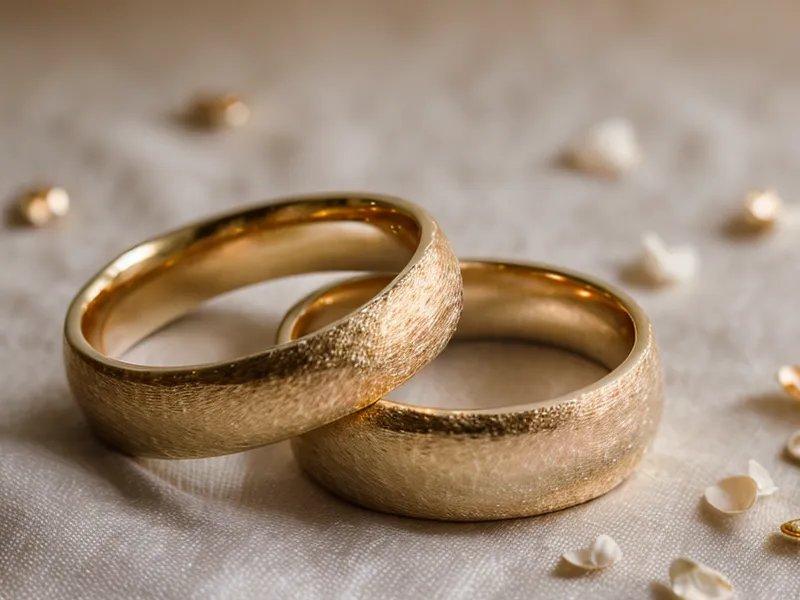
Nineteen. That's how many jewelry and accessory tables I counted circling Marion Square Farmers Market with a legal pad, asking every vendor some version of the same blunt question: solid metal or plated? I was deep into jewelry shopping for wedding party gifts at the time, trying to separate real fine jewelry from dressed-up costume pieces before I handed my bridesmaids something that would turn their skin a strange color by the first dance. Eleven vendors answered without flinching. Eight either dodged the question or didn't seem totally sure what their own stock was actually made of.
Quick disclosure before we go further: a few links below are affiliate links, which means I earn a small commission if you buy through them, at no extra cost to you. I only link to jewelers I've actually visited, called, or pestered with awkward questions myself.
The Disposable Wedding Party Gift Trap
The temptation is real when you've got six bridesmaids and a budget that's already screaming. Those matching "gold-toned" necklace sets from a trendy Instagram brand look great in staged photos. They ship in cute packaging. Most of them are just brass, copper, or bronze wearing a thin gold coat, the fast fashion of the jewelry world, built to look right for exactly one event.
Last spring, before I'd even settled on vendors, I almost ordered a matching six-piece set without checking a single thing about metal content. Two of my bridesmaids have nickel sensitivities bad enough that a cheap clasp can leave a mark for days. That's the mistake I almost made: treating "identical" as the only requirement, when identical-and-safe-to-wear is the actual assignment. A custom run through a jeweler, even a small one, solves that problem; a six-pack from an unvetted online seller usually can't tell you what's actually in the alloy.
I learned the materials lesson the hard way once, with a cheap pair of earrings bought for a friend's bachelorette party. By the end of the night, her earlobes had turned a shade of green you don't see outside a swamp. That's not a style problem. That's a materials failure, and it's exactly the kind of thing that turns a thoughtful gift into an inside joke nobody wanted.
Fine Jewelry Doesn't Mean What You Think It Does
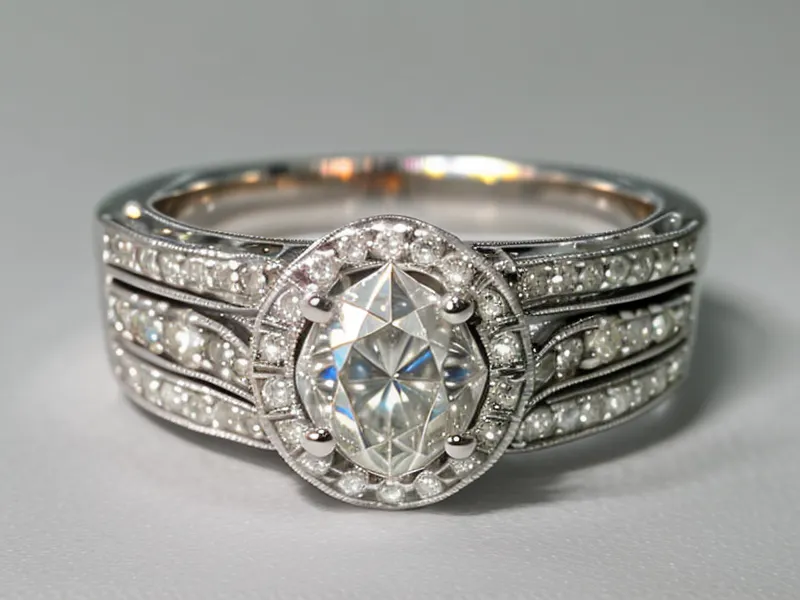
People hear "fine jewelry" and picture engagement-ring price tags, which scares them off the category entirely. Fine jewelry is really just a definition of materials: precious metals like solid gold, platinum, or sterling silver, paired with genuine or lab-grown stones. It has nothing to do with how many zeros are on the receipt. It has everything to do with whether the piece survives a shower, a reception, or a humid afternoon without losing its shape.
I did a side-by-side test at the mall once, out of pure curiosity, dropping a 14k gold chain onto a glass counter and listening for the sound. It landed with a specific, heavy thud. A gold-plated piece, dropped the same way a week later, made a thin, cheap skitter. Weight is not a style detail. It's the difference between a necklace that sits flat against a collarbone and one that flips and tangles all night because there's nothing to it.
There's a specific drag to lifting a piece straight up off a velvet display tray instead of sliding it toward you, a little tug against the nap that tells you the tray actually gets used for inspection, not just display. Watch for that tug next time a salesperson hands you something to look at. It's a small, physical tell that you're dealing with someone used to customers who look closely.
If you want that solid-gold feel without the engagement-ring sticker shock, Kay Jewelers is usually where I point people first. They've got enough stores nationwide that you can walk in, hold the piece, and leave if it's wrong, no shipping gamble. Their everyday gold selection gets overlooked by people who only think of them for engagement rings, and I've spent more time than I'd like to admit in those showrooms just checking chain weight. One thing to watch: the lighting in most showrooms is built to flatter stones and metal alike, if a piece matters, ask to see it under something closer to daylight before you commit.
Reading the Fine Print on Vermeil and Sterling
Buying jewelry as a gift means reading the fine print like it's a lease. I'm the friend who reads return policies out loud at brunch while everyone else orders mimosas, and I make no apologies for it. If a listing says "gold-toned," that's a red flag by itself. If it says "gold-plated," the next question is how thick that plating actually is. Real gold vermeil has an enforceable minimum for the gold layer's thickness, an actual legal standard, not a marketing word, and most fashion jewelry doesn't come close to clearing it. That gap is the difference between a necklace that lasts years and one that lasts weeks.
Then there's the silver stamp. Look for "925", that's sterling silver, the baseline most legitimate jewelers use. Stone hardness matters just as much if the person you're gifting to is active: a diamond sits at the top of the Mohs hardness scale, which is why it holds up to daily knocks better than the soft glass or crystal used in most fashion pieces. I've gone deep on that scale before when I wrote about best engagement rings for active lifestyles, the same logic applies to a bracelet getting knocked around on a dance floor.
A few things that matter enormously when you're buying your own engagement ring do not matter here at all. Nobody is pulling a GIA report to grade a bridesmaid bracelet. The lab-grown-versus-mined argument, the four Cs, moissanite as a diamond stand-in, IGI grading versus GIA, oval-cut proportions, measuring a ring size without tipping off a partner, trade-in terms for upgrading later, how far a ring can be resized, spotting a lab-grown stone without a loupe, figuring out exactly where a flaw stops being visible to the naked eye; all of that is engagement-ring homework. None of it applies when you're buying four or six nearly identical pieces for people who aren't proposing to anyone, and you're not about to insure a bridesmaid necklace the way you'd insure a ring either.
Why Humidity Changes the Math
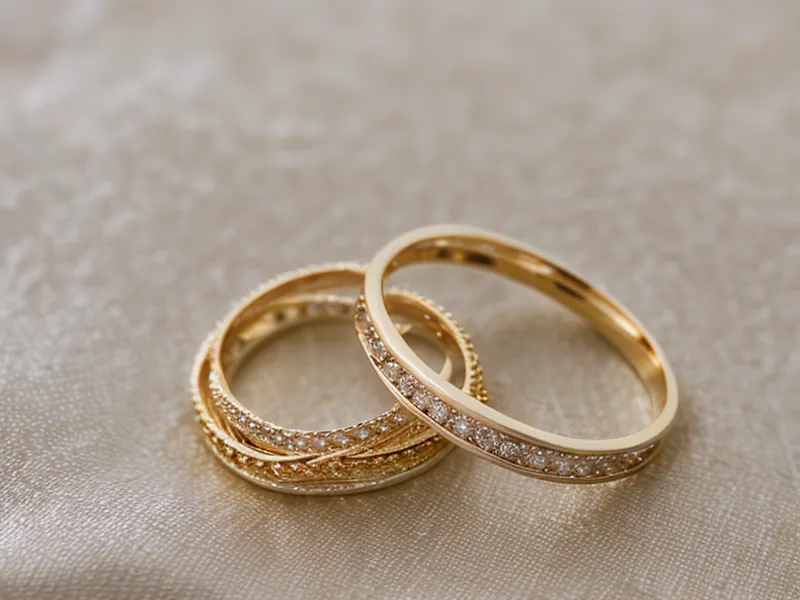
Charleston reality collides with jewelry shopping in one specific way: humidity. Most jewelry advice assumes a climate-controlled life. Mine doesn't. Heat and salt air act like an accelerant on base metals, and if you're hosting or attending a destination wedding somewhere the air feels like a warm, wet towel, that matters more than any style choice you'll make.
High-carat gold isn't automatically immune either, once sweat gets involved, a fact that surprised me the first time someone's skin reacted to a piece I'd have sworn was safe. For beach or outdoor weddings, I lean toward bezel setting pieces or minimalist designs without a lot of tiny crevices for sand and salt to hide in. In late-summer humidity, the last thing a maid of honor wants is a heavy, ornate piece sticking to her neck all night.
For something lighter that still reads as a grown-up gift instead of a costume piece, Theo Grace is a solid alternative to the big mall chains. They're a boutique, online-only jeweler with a more minimalist design language, which matters if your crew is sweating through bridesmaid dresses in a garden ceremony rather than browsing a climate-controlled showroom. The trade-off is obvious: you don't get to hold the piece first, so measurements and return windows matter more than usual when you buy this way.
Who Actually Pays When Something Breaks?
A friend of mine who teaches spin classes at a boutique fitness studio texted me last month asking whether a lifetime warranty was ever worth paying up for. That's basically every conversation I have about this topic now.
Standing in a store like Jared, staring at a lifetime warranty pamphlet, the honest question is whether your maid of honor, who forgets to hydrate most days, is realistically going to bring a necklace in for inspection every six months just to keep that coverage valid. Some of these programs are genuinely good. They're also designed around a level of follow-through most gift recipients won't have.
One shortcut I tried was watching a stack of YouTube videos on how to evaluate jewelry quality, all produced by jewelers themselves. It didn't work. Every single video steered back toward whatever that jeweler happened to be selling, dressed up as neutral advice. The only method that's actually worked is asking the blunt question out loud, in the store: if a stone falls out two weeks after the wedding, who pays for it? Watch how fast the tone changes when you ask.
By the third store, I'd heard a different salesperson use some version of the exact same phrase, "think of it as an investment", and it finally landed that I wasn't hearing advice. I was hearing a script everyone in that building gets trained on. Kay, Jared, and Zales are not priced the same for comparable quality, and that gap alone could fill its own post. A six-person wedding-party order also does not need a financing plan, even though more than one associate tried to offer me one like it was a favor. I actually canceled a follow-up visit to Zales once, after the details I'd been quoted shifted between the online listing and the in-person pitch, a small thing, but it told me enough.
Helping friends spot issues at mall stores has taught me one thing: the fine print on service plans is almost always where the real headache lives, not the piece itself. Read the plan before you buy, not after something goes wrong.
Fine vs. Fashion: Making the Call
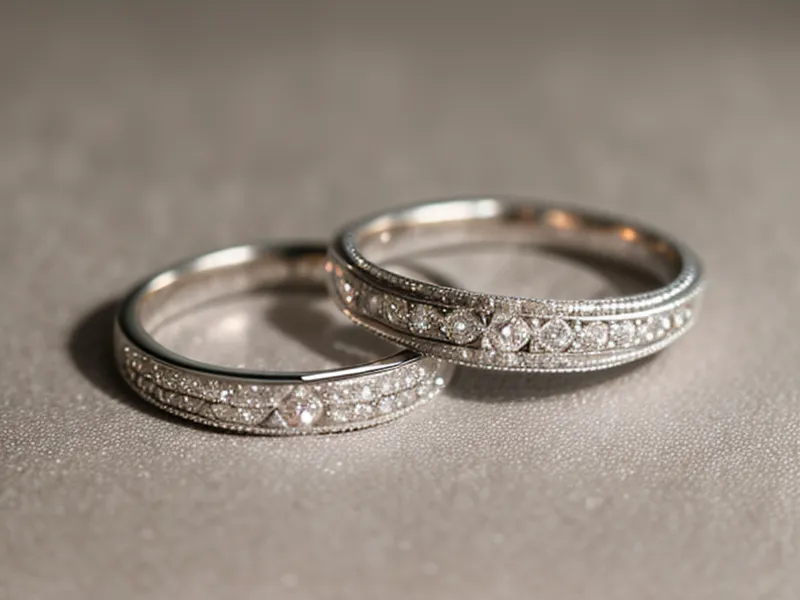
A few weeks out from any ceremony, the pressure to just get the gifts done is real, and 3-for-1 gold-plated deals start looking tempting. Remember the thud versus the skitter. Remember the green earlobes. If solid 14k gold for everyone isn't realistic, quality gold vermeil or 925 sterling from a reputable source is the next-best floor, not a compromise.
Ethical-sourcing claims are their own rabbit hole, and a worthwhile one, just not this one. The goal here is narrower: something your friends pull out of a jewelry box years from now and actually wear, not something that looks like it came from the bottom of a cereal box after two washes.
Here's the actual call. Buy fine, solid gold, sterling with real plating thickness, genuine or lab-grown stones, when the piece needs to survive years of regular wear, the venue is humid or coastal, or anyone in the group has sensitive skin. Buy well-made fashion jewelry when it's a one-time accessory for photos, the budget can't stretch to several fine pieces at once, or the style is trendy enough that nobody will want it in three years anyway. For the fine option with a return policy and warranty structure that scales to a group order, Kay Jewelers is still my first stop for vetting the basics, smaller boutique shops often can't match that safety net when you're buying for six people at once.
Choosing jewelry for a wedding party is a lot like picking a venue: you look past the first impression and check the infrastructure. Is the metal actually solid? Is the warranty realistic for a normal person to use? Will it survive the humidity? If the answer is yes across the board, the gift counts as a real thank-you instead of one more line on somebody's to-do list. If you're still weighing shapes or styles for your own set, I've written about why I chose a radiant cut for my own ring, the durability-versus-style logic carries over almost exactly.