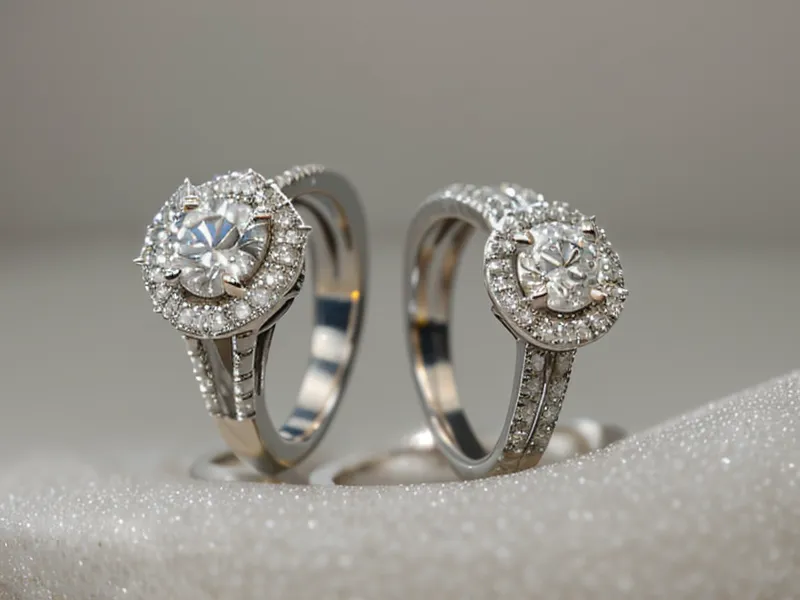
Why would two lab-grown diamonds that look identical to the naked eye cost hundreds apart depending on which Charleston store you're standing in? I didn't have a good answer the first time my neighbor Otis Burroughs asked me, and two years into being the person people call before they buy an engagement ring, I still don't have a tidy one.
Quick disclosure before anything else: this site runs on affiliate links, Zales and the local-ish online jewelers I mention here included. Click through and buy, I get a small commission, you pay the same price either way. I only point people toward stores I've actually sat across a counter from, and since I'm the friend who reads warranty fine print out loud at brunch, that homework actually happened.
I'm not a gemologist. No certificate on my wall, no gemology degree, nothing official. What I've got is a binder of notes from my own ring search and the reputation, self-inflicted, for treating an engagement ring purchase like a used car you're about to buy from a stranger: check the service history, open the hood, ask what happens if something breaks two states away.
What Ten Weeks of Comparing Stores With Otis Taught Me
Otis Burroughs lives a few doors down and found me after recognizing my building in a photo from a neighborhood post I'd made about a jeweler visit. He'd been saving quietly for a while to buy his girlfriend a ring, and the store that kept pulling him in first was Zales, where their lab-grown selection looked massive online and the promotions were everywhere. Ten weeks after we started comparing stores together, he still hadn't picked one. Not because he's indecisive (he might be the most patient researcher I've helped with this) but because every single store we walked into reset what he thought a "fair price" even meant.
That reset is the real reason this comparison matters. Zales and a Charleston boutique aren't selling the same experience, even when the stone itself is chemically identical. That sameness isn't folklore, either. The Federal Trade Commission redefined what counts as a diamond back in 2018 specifically to include lab-grown stones, and whether a stone came out of the ground or out of a lab, it shares the same refractive index and sits at the top of the Mohs scale of mineral hardness. The rock isn't the variable. The paperwork behind the counter, and the person standing there selling it to you, is the variable.
Inside Zales: Lights, Inventory, and the Loupe Moment
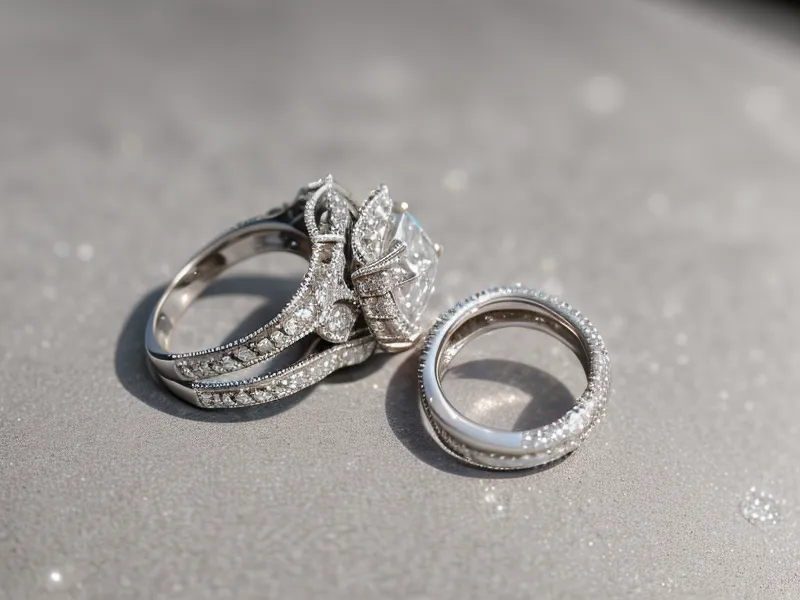
Walking into the actual store confirmed what the website promised: an enormous lab-grown selection and promotions everywhere you looked. The first thing you notice is the lighting, built to make every case look like it's auditioning for something. I asked to see one of the solitaires up close and pulled a loupe out of my bag, and before I'd even brought it to my eye, the salesperson's hand had already drifted toward a dimmer switch on the wall behind the case. Nobody said anything about it. Nobody had to. If you want to actually judge a stone instead of the showroom's lighting design, it helps to know how to spot diamond fluorescence issues when shopping at mall stores before you fall for the version of the stone under halogen bulbs instead of the version you'll be wearing outside in actual Charleston sun.
Zales wins hard on inventory depth. Want a particular carat weight in a round brilliant lab-grown stone? They've probably got a few on the floor and dozens more they can ship to the store within days. That consistency is a real advantage if you want options in front of you instead of a special order. What I did notice, looking at a handful of their entry-level solitaires, is that the inclusions sat a little more visibly than what I'd seen browsing specialty retailers like GOODSTONE at a similar price point. We leaned on the display case for a while after that, forearms flat against the glass, which stayed cool even as the afternoon outside turned sticky, while the salesperson pulled three more trays from the back.
The pitch itself felt less like jewelry shopping and more like negotiating a lease renewal, with lots of talk about financing terms and protection plans layered on top of the sticker price. Here's the thing I got wrong and told Otis with total confidence early on: I assumed two stones with the same GIA clarity grade would cost roughly the same no matter which store sold them. They didn't, not close; a GIA report tells you what the stone is, not what a specific store's overhead, commission structure, or financing math adds on top of that. Every mall chain runs some version of this math; Zales just happened to be the one that caught me off guard first.
The Warranty Fine Print Nobody Reads Before They Sign
By the time we got to warranty terms, the tone shifted again. Zales offers what they call a lifetime diamond commitment, but it comes with a catch: you bring the ring back for an inspection every six months, on schedule, or coverage ends. No grace period mentioned anywhere in the paperwork. It's the jewelry equivalent of a car warranty that voids the second you change your own oil instead of driving back to the original dealership.
My neighbor Keturah, who always wants the return policy spelled out before she'll let me finish a sentence about any purchase, asked the obvious follow-up the next time I brought this up: what happens if you miss one of those six-month windows by even a week? Nothing good. No appeal, no grace period, policy closed. Compare that to a boutique like Theo Grace or most local Charleston shops, where maintenance tends to run on relationship instead of rigid inspection windows. The trade-off cuts both ways, though. Move out of state, and that local jeweler can't fix a loose prong for you anymore, while Zales' national footprint becomes a real asset if you're a military family or someone who relocates for work. Before anyone commits to a mall warranty, I point them toward my hard-earned checklist for buying an engagement ring online, mostly so they see what they're trading away before they sign, not after.
Skipping the Mall Entirely: GOODSTONE and the Online Trade-Off
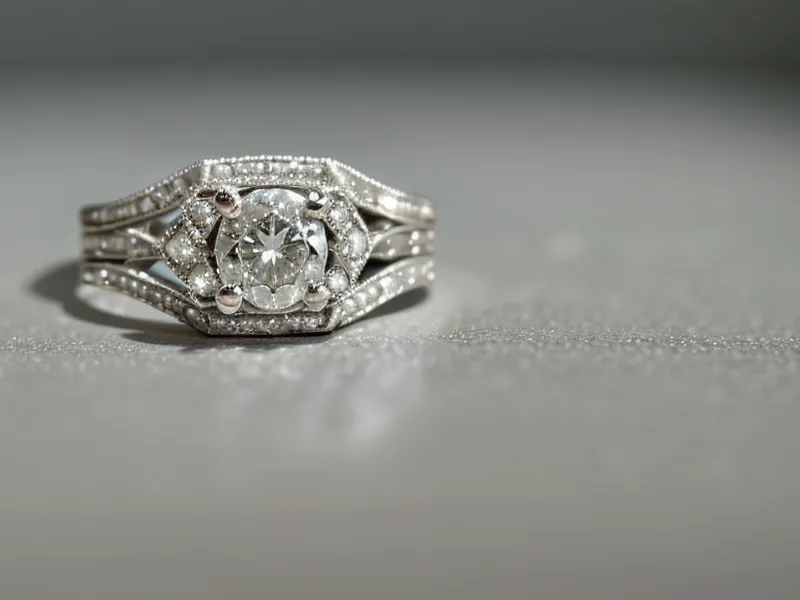
GOODSTONE kept coming up while we stood in the Zales aisle, so I pulled it up right there on my phone. GOODSTONE specializes in lab-grown stones, and the cut grades we found for comparable specs looked noticeably better than anything on the Zales floor that day. Direct-to-consumer pricing skips the markup that comes from running a thousand-plus physical stores. The catch is obvious once you say it out loud: no showroom in Charleston, so you're buying something you can't hold first, and lab-grown resale tends to drop faster than mined if you're the type thinking about upgrading down the line. That's exactly why a lot of the people I help end up walking into Kay Jewelers or Jared instead; they want the stone in hand before they commit, even knowing the markup runs higher than ordering direct. It's the same trade-off as buying a car sight-unseen from a dealer three states away versus paying more to test-drive one two miles from your house.
Going Local: What Charleston Boutiques Do Differently
Walk into a King Street boutique and the mood changes immediately. Nobody's pushing a financing plan. The conversation turns to setting design and (this part actually matters long-term) who touches the ring when something eventually needs fixing. Most local jewelers keep a bench jeweler on-site, so a resizing doesn't get boxed up and shipped to a regional hub; it goes to the person working in the back room, sometimes the same afternoon. Worth asking about before you buy, not after a setting needs adjusting down the road.
There's a real cost to that convenience. Local shops carry higher overhead, and their lab-grown selection is usually whatever they've special-ordered rather than a warehouse of ready options. You don't get the depth of inventory that Zales can offer sitting in a back room somewhere. What you get instead is a shop owner who might waive a cleaning fee because they remember you came in three years ago asking different questions entirely, the kind of goodwill a thousand-store chain structurally can't replicate, for better and worse.
Zales or a Local Jeweler: How to Actually Decide
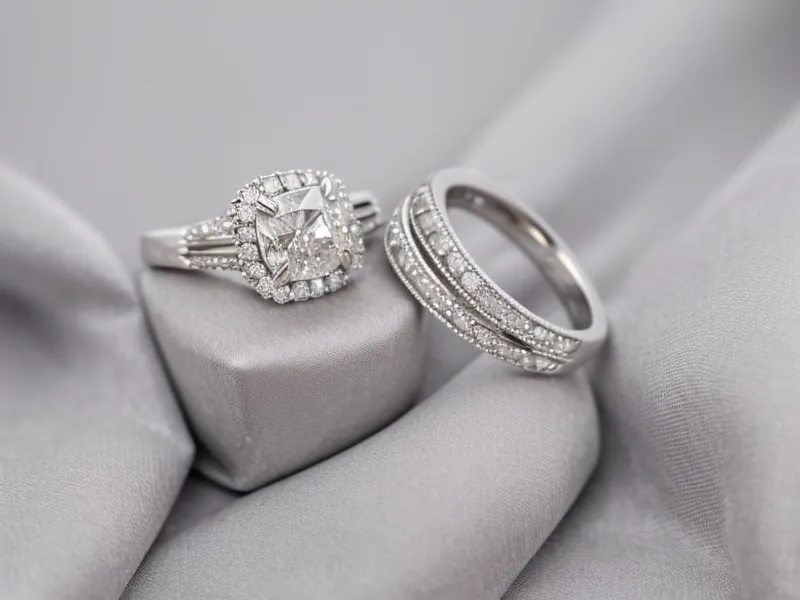
Ten weeks in, Otis still hasn't bought anything, and I don't think that's a problem. Most people I know cave by week three. If he wants a stone that's part of a predictable, massive system with a warranty he can use in whatever city he ends up in, Zales is the rational pick. If he wants a ring tied to this specific city, sold to him by someone who'll still recognize his name in five years, he's going local. Neither answer is wrong. The only real risk is picking the chain and resenting the impersonal process, or picking the boutique and later wishing he'd had backup locations after a move.
For anyone just starting this search: go to the mall first. Hold the different carat weights, see real inventory in person, get a feel for the sales script so you recognize it next time. Then go to King Street and feel the difference in how you're actually treated. If you want something between lab-grown value and boutique design without the mall pressure, I keep pointing people toward Theo Grace for the aesthetic, or GOODSTONE if maximizing the stone's specs on paper matters more to you than walking into a physical store.
Before anyone signs anything, anywhere, read through the questions to ask about the service plan and warranty first. And here's the one thing I'd actually tell anyone standing where Otis is standing right now: ask every store, mall chain or boutique, to show you two stones at the exact same GIA clarity grade side by side before deciding anything. The price gap between those two numbers tells you more about where your money's going than any sales pitch ever will. That's the mistake I nearly talked him into making, and it's the one worth skipping entirely.
How the Top Lab-Grown Retailers Stack Up
Here's how the five stack up, based on every visit so far: service, inventory, and what I've started calling the mall factor:
| Product | Rating | |
|---|---|---|
| GOODSTONE Lab-Grown Pick | 9.2 | Read More → |
| Theo Grace | 8.9 | Read More → |
| Kay Jewelers Editor's Pick | 8.8 | Read More → |
| Jared | 8.4 | Read More → |
| Zales | 8.1 | Read More → |
Zales
Pros
- ▸ Massive national footprint for easy warranty inspections
- ▸ Aggressive in-store promotions and financing options
- ▸ Extensive inventory of lab-grown diamonds ready for same-day viewing
Cons
- ○ Rigid six-month inspection requirement for lifetime warranty
- ○ Lower-tier stones often have visible inclusions under showroom lights