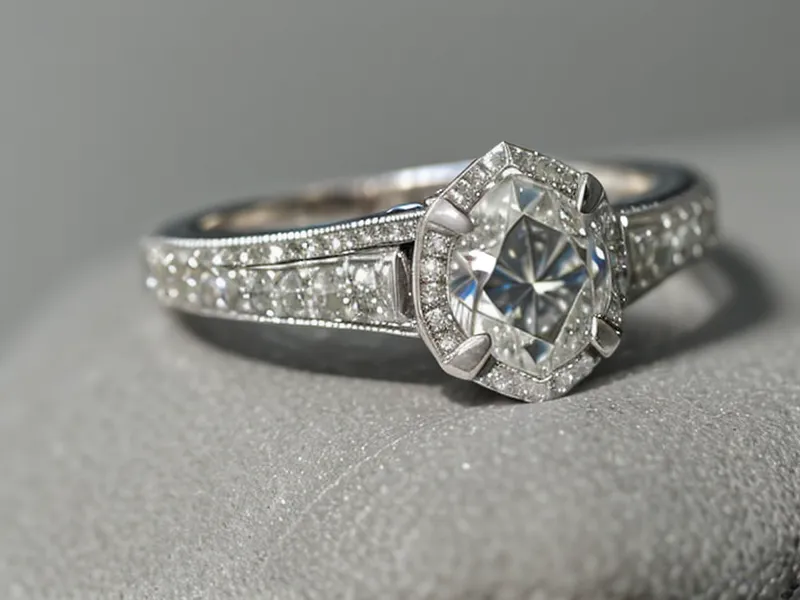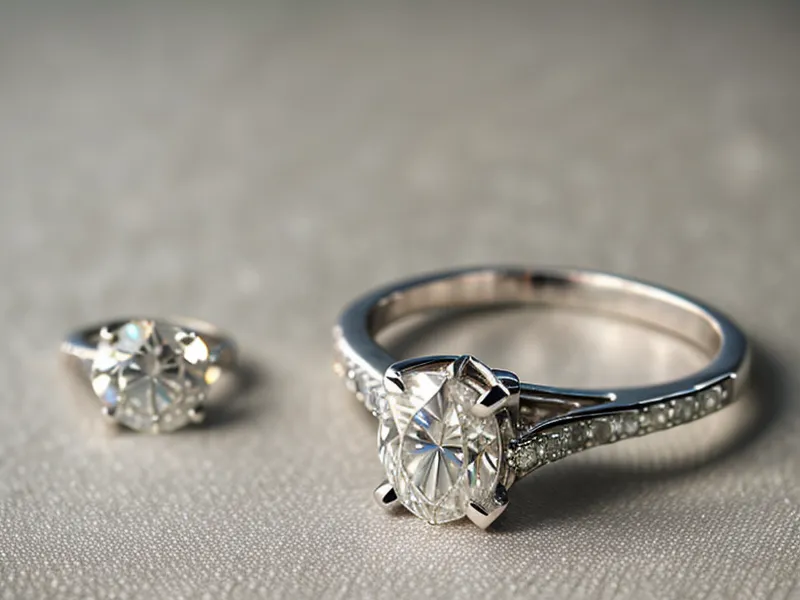
A CAD rendering of a custom engagement ring and the finished piece sitting in a velvet box are, technically, the same object — they just don't look anything alike, and that gap causes more standing-in-the-showroom panic than the price does. Two years into being the friend everyone loops in on their ring search, I've watched that exact moment happen at Reeds Jewelers more than once: a couple opens an email attachment expecting something close to a finished ring and gets a gray, blocky file that looks more like industrial plumbing than custom jewelry design.
Quick disclosure before any of this goes further: this site runs on affiliate links, this piece included. Click through and buy something and I earn a small commission, at no extra cost to you. I only bring up jewelers I've actually sat across a counter from in person — usually as someone's over-prepared, notebook-carrying plus-one.
Reeds Builds 'Custom' With Guardrails, Not a Blank Canvas
My friend wanted 'unique,' which might be the most dangerous word you can bring into an engagement ring showroom. She lives in Charleston; her partner was in Charlotte on a work contract at the time, which ruled out the usual advice about just walking into a small independent jeweler and building a relationship over months. I'd already dug into return policy leverage before either of us sat down anywhere, the kind of homework you'd do before signing an apartment lease, not just a ring order. Reeds sits in a specific middle ground for a couple in that spot — bigger than a boutique with a buzzer on the door, smaller than the mall chains that dominate every general engagement-ring search. They call their build-your-own program 'Custom Press,' and the name oversells it a little.
Here's what 'custom' actually meant in practice: not a blank canvas where you're sculpting raw metal from nothing, and not a pre-set ring you just buy off the case either. It's closer to a very high-end version of choose-your-own-adventure — picking from a library of settings, heads, and shanks, then adjusting proportions digitally before anything gets cast. A fully custom build from scratch takes longer and costs more than most people want to spend on a first ring; a ready-made ring off the case is faster and cheaper, but leaves you fitting your taste into somebody else's decisions already made. Reeds' version sits in between, with real limits — the jeweler can veto a design that won't hold up structurally, which read as a restriction the first time it happened and made more sense every time after.
None of this happens fast, either — appointments got scheduled around her actual life, including a friend of mine who teaches spin classes at a boutique studio downtown and spent most of that spring trying to get me to trade a Saturday showroom visit for her class instead. Jared, the higher-end sibling under the same corporate roof as Kay, tends to price similar specs a notch above what you'd find outside a mall — mall-chain markup, basically, and its own rabbit hole. We skipped Zales early on too — their online listings never quite matched what was actually sitting in the case when we called ahead, and that kind of mismatch isn't worth chasing on a purchase like this. Reeds never ran the financing pitch on us the way I've heard Kay's floor staff will, either — no upgrade-plan script, no pressure to sign anything before we left.
What YouTube Tutorials Don't Show
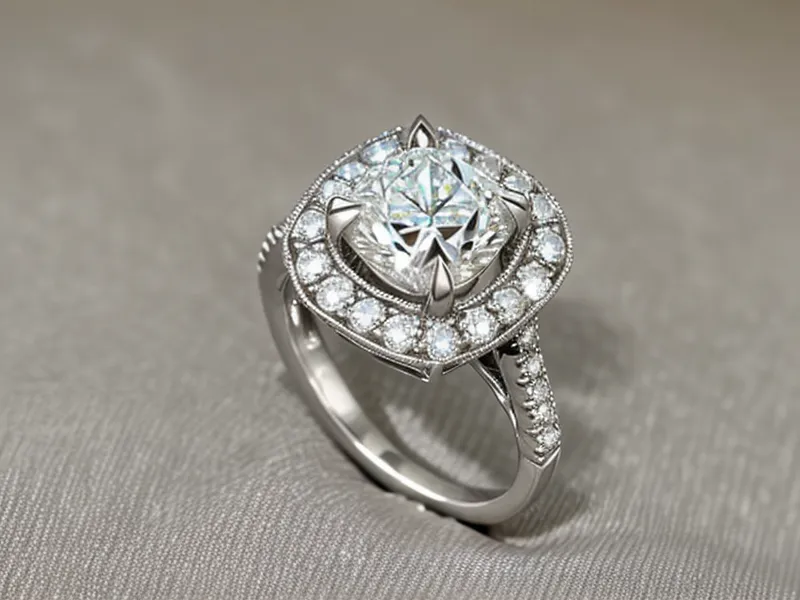
Before that first real appointment, I'd already watched a stack of diamond-education videos, the kind jewelers publish themselves to look helpful. They weren't, not really. Every one of them assumes ideal lighting and a stone hand-picked to look its best on camera, which tells you nothing about how a real stone reads in a real room. Sitting across from an actual loupe pressed cold against your cheekbone turned out to be a different kind of education entirely — a little uncomfortable, and far more honest than anything a brand's own channel was ever going to show me.
We were looking at stones graded by GIA, and I'd cross-referenced enough certificates ahead of time to follow the shorthand, even without fully understanding the GIA diamond grading scale myself. Carat came up constantly too — not just the number on the report, but how a given carat weight actually sits on a hand, which has less to do with that number and more to do with how the stone gets cut and set.
Metal got its own conversation. She wanted 14k over 18k because she's active and didn't want to baby a ring day to day — a purity difference that matters less for how a ring looks and more for how it survives an actual week, which says more about picking a setting for your real life than most people think about before they sit down.
There's a particular quiet that settles over a private consultation room once the door clicks shut — no ambient store noise, no other couples' conversations bleeding in, just a jeweler, a tray of stones, and enough silence to actually think (a level of focus I don't bring to most of my own big purchases, for the record). By the fifth appointment, I held two stones side by side near a window — matched on paper, same clarity grade — and one read noticeably warmer than the other the moment daylight hit it, a difference the certificate never flagged.
If you don't already know your cut from your color or your clarity, that's worth sorting out before you're at any custom counter, not during. It's also worth asking which lab actually graded the stone in front of you — GIA and IGI don't always call things the same way, and that difference is its own can of worms I'm not opening here.
The CAD Stage Is Where the Real Panic Happens
Reeds sent the first computer-aided design file the week the design was locked, and it looked nothing like the inspiration photos we'd spent weeks pulling together. Blocky. Gray. More spaceship than ring. That's normal — the file has to account for metal that gets polished away later, so it reads thick and clumsy by design, not because anything went wrong. I almost told my friend to scrap the whole thing and start over with a different setting, which would have cost weeks we didn't have. Neither of us pulled that trigger, thankfully, and the jeweler talked us through why the file looked the way it did before either of us said something we'd have regretted.
Lab-Grown or Natural: What Reeds Offers
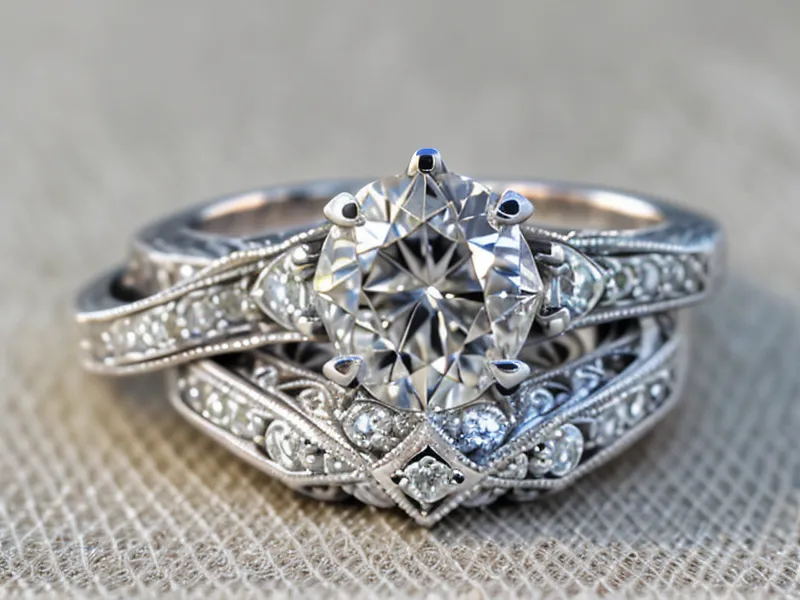
By the stone-selection stage, the real decision was Lab Grown vs Natural Diamonds — Reeds had enough of both in the case to make it a real comparison instead of a hypothetical one, and the lab-grown stone we landed on held up under the loupe as well as anything mined we looked at that day.
An online-only lab-grown specialist like GOODSTONE might have gotten us a few hundred less on the same specs, but there's no showroom to walk into with that model, so you're trusting product photography over holding the actual stone — and for something like this, neither of us wanted to skip that step. Jared came up again here too, mostly because they carry a wider range of higher-carat solitaires in person than most mall counters manage, even though similar specs there tend to run above the pure-online route.
Moissanite never came up in any of these conversations, but it's worth knowing it exists as a stand-in with its own look and price point if a mined or lab diamond is still out of reach. Fancy cuts got ruled out early too — she wanted something straightforward to compare side by side rather than chasing proportions on an oval or a cushion, which is its own more complicated conversation entirely.
What Showed Up in the Box, and What I'd Tell a Friend Before Her First Appointment
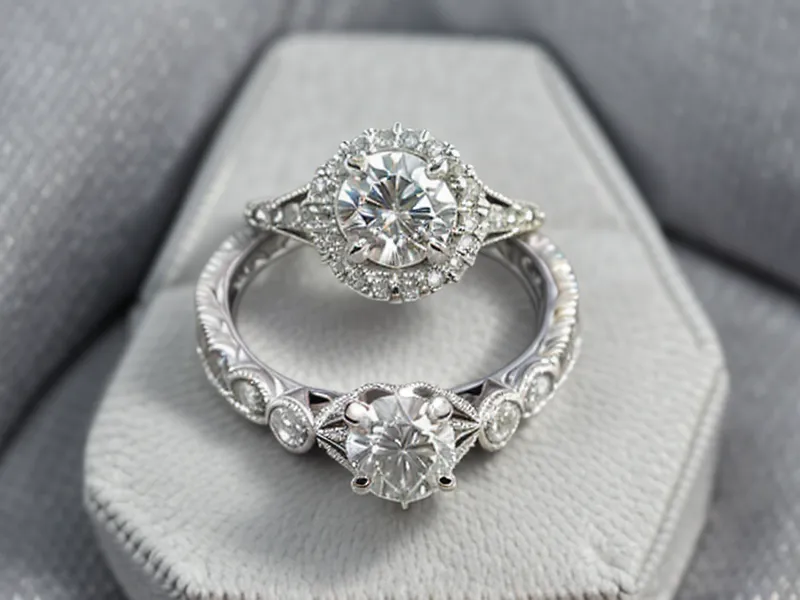
The ring arrived finished by early spring, shipped to the Charlotte store first so her partner could do one last inspection before it came back to Charleston. That handoff is the actual argument for a regional chain over a purely online one when a couple lives in two cities — someone with a storefront and a name to protect handles the middle part, instead of a courier and a signature. When I checked the stone against the certificate one more time, the inclusion we'd spent so long hunting for under the loupe sat tucked cleanly under a prong, invisible without magnification, right where the report said it would be.
A few things I'd tell any friend before their first appointment, custom or not: read the deposit terms closely, because a chunk of what you put down up front often isn't coming back if you walk away, and know what leverage you actually have if something feels off before you sign anything. Ask about trade-in terms too, since Reeds and plenty of others will let you upgrade the center stone down the line under specific conditions worth knowing in advance. Get your ring size sorted at home ahead of time if you can, and ask what insurance actually covers before assuming the store's warranty means the same thing — those are two separate conversations most people only have after something's already gone wrong.
The lesson that actually stuck, past all of it: the custom process only works as well as the questions you bring into the room, not the size of the name on the storefront. If you're still early enough in your search that the prices alone feel disorienting, Best Places to Buy Affordable Engagement Rings is a decent place to get your bearings before you're the one sitting across from a loupe.